


You open the pantry for a midnight snack and find an ant parade has beaten you to it. Or perhaps you’ve heard the unsettling scurry of something unwelcome in the attic late at night. You’re not alone; according to the U.S. Census Bureau, approximately 14 million housing units in the United States reported seeing roaches recently.
The good news is that you can stop most invasions before they start. This is critical since the U.S. Environmental Protection Agency notes that cockroaches can trigger asthma and other health concerns.
By borrowing a few principles from Integrated Pest Management (IPM), a prevention-first and low-chemical approach, you’ll keep everything from ants to mice outside where they belong. Here are three beginner-friendly tips you can tackle this weekend.
What Is Integrated Pest Management?
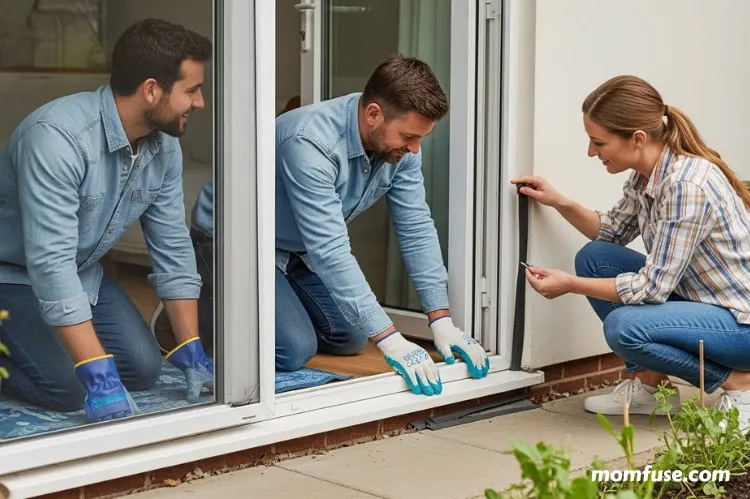
Integrated Pest Management (IPM) is a commonsense strategy that focuses on blocking pests’ basic needs, including food, water, and shelter, before resorting to harsh chemicals. Think of it as the home-maintenance equivalent of eating well and exercising before turning to medication.
By following the three steps below, you will be practicing effective IPM without even realizing it.
1. Eliminate Food & Water Sources
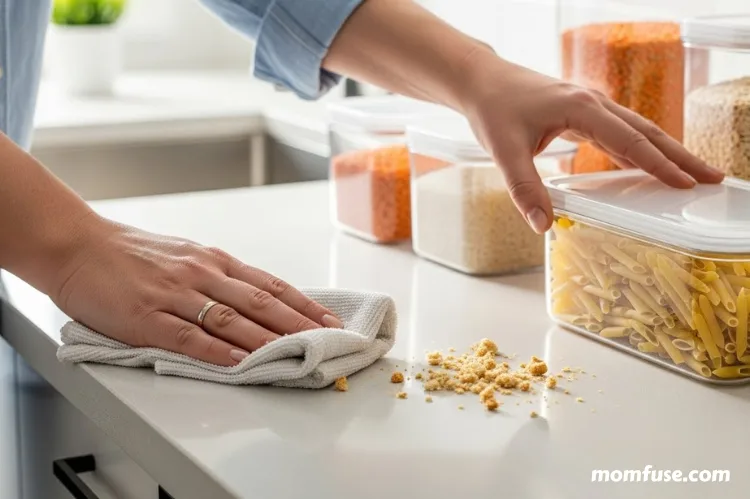
Pests are drawn to your home for the same reasons you are: reliable access to food and water. By cutting off their supply, you make your home far less attractive.
Start with daily kitchen habits like wiping down counters, sweeping up crumbs, and running the dishwasher before bed. Store dry goods like cereal, flour, and pet kibble in airtight containers, as rodents can easily chew through thin plastic bags and cardboard boxes.
Moisture control is just as critical. Fix dripping faucets, leaking under-sink pipe joints, and any condensation pans that collect water. Cockroaches, in particular, thrive in damp, dark spots.
Remember to empty pet water bowls and plant drip trays overnight, refilling them in the morning, as these small puddles are prime breeding grounds for many common pests.
Key Insight: Pests aren’t picky. A few crumbs on the counter or a slow drip under the sink is a five-star invitation. Consistent daily cleaning is your most powerful, non-chemical pest deterrent.
2. Seal Entry Points
Your home may seem secure, but a mouse can squeeze through a dime-sized hole, and insects can enter through the tiniest cracks.
A thorough inspection of your home’s exterior is the first step. Add or replace worn weather-stripping and install new door sweeps if you can see daylight under your exterior doors. Patch or replace torn window and door screens, as one small rip is an open invitation for flies and mosquitoes.
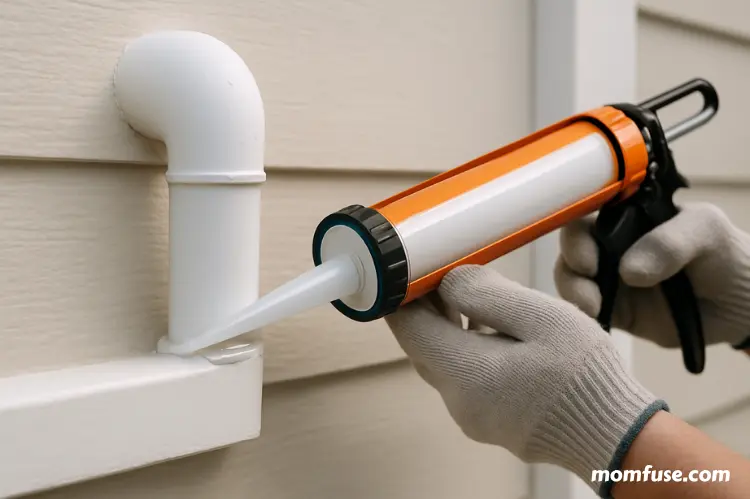
Next, focus on sealing gaps. Use exterior-grade silicone caulk to fill foundation cracks and any openings around utility lines where pipes and wires enter the house. This task can feel extensive, which is why professionals prioritize it. Finally, cover larger openings like attic vents and chimneys with durable mesh screening to keep squirrels, birds, and bats out.
Don’t forget to pay special attention to areas where different building materials meet, such as where siding joins the foundation or where the chimney connects to the roof.
These junctions often develop gaps over time and require regular maintenance. Bug Zapper’s Portland pest control experts recommend conducting these inspections at least twice a year, particularly before winter and summer when pest activity tends to increase.
Pro Tip: Think like a pest. A mouse can squeeze through a dime-sized hole, and insects need only a tiny crack. A thorough inspection and sealing with caulk is the most effective long-term barrier you can create.
3. Maintain the Yard
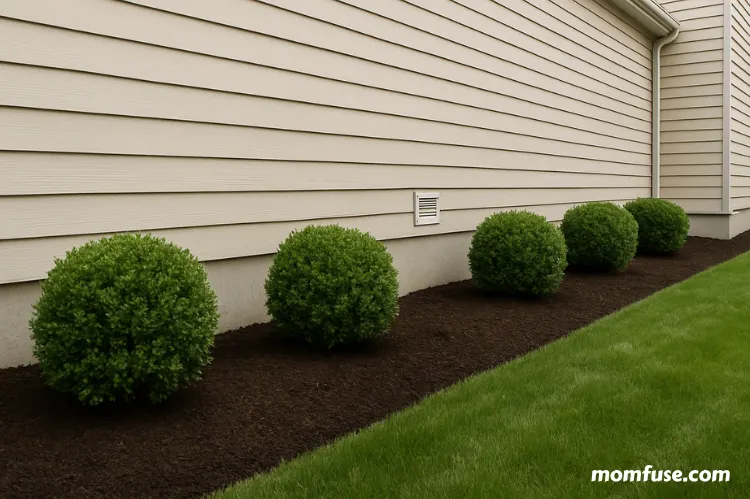
Your yard can act as a staging ground for pests planning an invasion. Start by trimming shrubs and tree branches so nothing touches your exterior walls, as ants and rodents use these as bridges to bypass ground-level defenses.
Rake up leaf litter and clear clutter like old planters or woodpiles against the foundation, as these provide perfect hiding spots for spiders, ticks, and beetles.
Water management is also key outdoors. Empty kiddie pools, unclog gutters to ensure proper drainage, and drill holes in planter saucers to prevent water from accumulating. Mosquitoes can breed in a puddle the size of a bottle cap within days.
When DIY Isn’t Enough
Most common pest nuisances will disappear once you remove their access to food, water, and shelter. However, some situations require professional intervention.
Call a licensed pro if you notice any red flags, like persistent scratching sounds in the walls, the discovery of termite mud tubes, gnawed electrical wiring, or a large roach population that is active even in daylight. These are signs of an established infestation that a professional is best equipped to handle safely and effectively.
Warning/Important: Don’t ignore signs of an established infestation like persistent sounds in walls, gnawed wires, or termite tubes. These issues require professional intervention to prevent costly damage and ensure safety.
Your Next Steps
This weekend, walk through your kitchen, around your exterior walls, and through your yard with this checklist in mind. Clean up crumbs and fix leaks, seal any gaps you find, and trim back overgrown vegetation.
These three simple moves will keep the vast majority of pests outside and your home healthier and more comfortable inside. A pest-free home is only a few small habits away.
Author Profile: Bug Zapper Pest Control is the leading pest control provider of comprehensive pest management solutions for residential and commercial customers throughout Oregon.
Read Next: Carpet Safety Benefits for Kids in Modern Homes

Jessica Fuqua is a mom of two who writes about the messy, beautiful reality of raising kids. She believes parenting advice should feel like a conversation with a friend, not a lecture. When she’s not writing, she’s probably reheating the same cup of coffee for the third time.