


Most families want recovery to feel possible without losing connection at home. Balancing healing with daily life takes planning, patience, and clear roles. With simple routines and check-ins, the household can support progress without burning out.
Why Family Support Matters

Recovery does not happen in isolation. When relatives learn what helps and hurts, they can turn ordinary moments into steady encouragement. National guidance from a public health agency notes that family involvement improves outcomes for loved ones managing mental health or substance use challenges.
A supportive home is practical as well as kind.
Shared reminders, calm mornings, and predictable rides to appointments reduce friction. Those small wins add up to stronger follow-through on treatment plans.
Caregivers need boundaries. Limit late-night problem-solving and schedule your own breaks or therapy. When you rest and reset, you bring more patience to the next hard moment.
Set Realistic Expectations Together

Start by defining what a good week looks like.
Most plans wobble at times. Professionals from The Grove Recovery Center say that progress is rarely linear, and families do best when they focus on consistency over perfection. Wrap each Sunday with a 10-minute plan for the week ahead.
Write the plan where everyone can see it. Include the basics: sleep, meals, appointments, work or school, and one small joy. Keep goals specific, like take meds at 8 a.m., walk for 10 minutes after lunch, and text one friend midweek.
Share The Load With Clear Roles
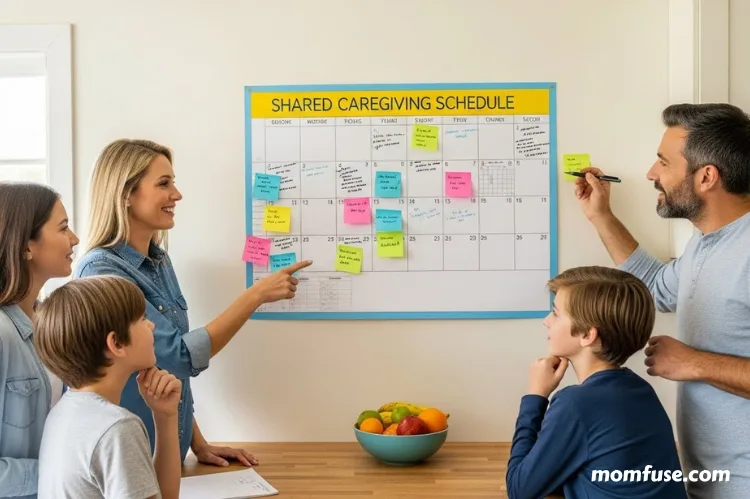
Care is easier when tasks are mapped. Decide who handles scheduling, transport, refills, and meal prep, and write it where everyone can see it.
A recent national caregiving report found that roughly 70% of family caregivers monitor health conditions and coordinate care, so spreading tasks helps prevent overwhelm.
- Put key contacts on the fridge and in phones
- Use a shared calendar for therapy and check-ins
- Keep a go bag with snacks, water, and meds
- Rotate small jobs so one person is not overloaded
- Celebrate tiny wins at the end of the week
Backups matter. If the usual driver gets sick, a second person should know the routes and parking for the clinic. Keep taxi or rideshare options noted for appointment days that cannot be moved.
Build Communication That Lowers Stress

Short, predictable talks work better than marathon debates. Try one 15-minute check-in three times a week with two questions: What helped today, and what was hard.
Keep reflections brief, thank each other for honesty, and note one change to try tomorrow. When topics get complex, write first.
A shared notebook for med questions, side effects, or triggers keeps details clear. Bring it to appointments so everyone hears the same answers.
Set a regular rhythm for updates so surprises are rare. Use simple headings or bullet points to make entries scannable.
Celebrate small wins to reinforce progress and reduce tension. Encourage questions in writing before meetings to prevent misunderstandings. This practice builds trust and keeps everyone aligned without adding stress.
Keep a consistent exercise window, even if brief, to maintain both energy and mood. Prepare clothes, gear, and snacks the night before to reduce morning decision fatigue. Batch similar tasks together so transitions do not drain mental bandwidth.
Encourage social check-ins that are positive and low-effort to sustain connection without stress. Review routines weekly, adjusting small details to fit energy levels and recovery needs.
Protect Energy With Simple Routines
Routines make recovery feel safer. Anchor days with wake and wind-down times, plan meals that do not require decisions, and set light rules for screens and visitors. Use a whiteboard to track meds, hydration, and movement, so progress is visible without pressure.
Plan micro-breaks for caregivers, too. Even 5 minutes of fresh air or stretching between tasks can reset mood and prevent the slow buildup of daily fatigue.
Make fun non-negotiable. A short walk with music, a puzzle after dinner, or 20 minutes of a favorite show can restore mood and attention. Protect sleep by dimming lights earlier, limiting caffeine after lunch, and keeping phones out of the bedroom.
Plan For Bumps Without Panic
Set guidelines for early warning signs and next steps before you need them. Choose who calls the clinician, who drives, and who stays with kids or pets. Create a short script for work or school so you can request flexibility quickly when appointments shift.
Practice the plan once when everyone is calm. Confirm addresses, backup numbers, and which pharmacy has refills.
Note what success looks like after a rough day, such as eating, taking meds, and getting to bed on time. If a setback happens, treat it as information. Adjust one small habit, then return to routines to rebuild confidence.
Balancing healing and home life is a long game. Pace yourselves, adjust the plan as seasons change, and keep compassion at the center of every choice. With shared roles, steady communication, and realistic goals, your family can protect recovery and protect each other.
Read Next: Rehabilitation Support Guide: Helping Family Members Recover

Jessica Fuqua is a mom of two who writes about the messy, beautiful reality of raising kids. She believes parenting advice should feel like a conversation with a friend, not a lecture. When she’s not writing, she’s probably reheating the same cup of coffee for the third time.