


The white wedding dress feels ancient, almost universal. Many people assume it comes from religious rules or centuries-old customs. That assumption misses the truth. For most of history, brides did not wear white at all. The white wedding dress is a relatively recent tradition shaped by royalty, social class, industrial progress, and changing ideas about marriage.
Its rise tells a broader story about how weddings shifted from practical family events into symbolic, highly curated rituals. Understanding that shift explains why white became dominant and why it spread so quickly. It also explains why it still holds power as modern brides redefine what a wedding should look like.
Weddings Before White Focused on Wealth and Practicality

Before the nineteenth century, brides wore their finest dress, whatever the color. The goal was not symbolism; it was display and durability. Fabrics mattered more than shade. Silk, velvet, wool, and brocade signaled wealth and status. Colors like red, blue, gold, brown, and green were popular because they aged well and could be worn again.
White was impractical. It stained easily, required frequent washing, and showed wear quickly. Only the very wealthy could afford a white garment that might be worn once. In many cultures, red symbolized luck and fertility. In others, darker colors reflected modesty or regional fashion norms. There was no single “wedding look.” What a bride wore depended on geography, income, and family tradition.
Queen Victoria Changed Everything in 1840
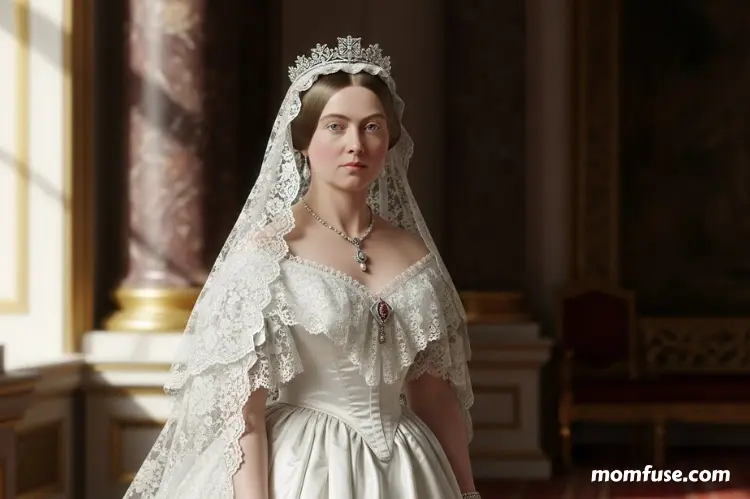
The shift began in 1840, when Queen Victoria married Prince Albert in a white silk satin gown accented with Honiton lace. This was not done for religious reasons. It was a political and economic statement. By choosing British-made lace, Victoria supported the domestic industry at a time when handmade lace was losing ground to machines.
The wedding was widely reported, illustrated, and discussed. For the first time, the public saw a royal bride dressed in white and framed it as romantic rather than wasteful. The association between white and purity came later. At the time, white symbolized wealth, visibility, and modern taste. Upper-class brides across Europe began copying the look. White became fashionable because it marked status, not virtue.
Industrialization Made White Dresses Accessible
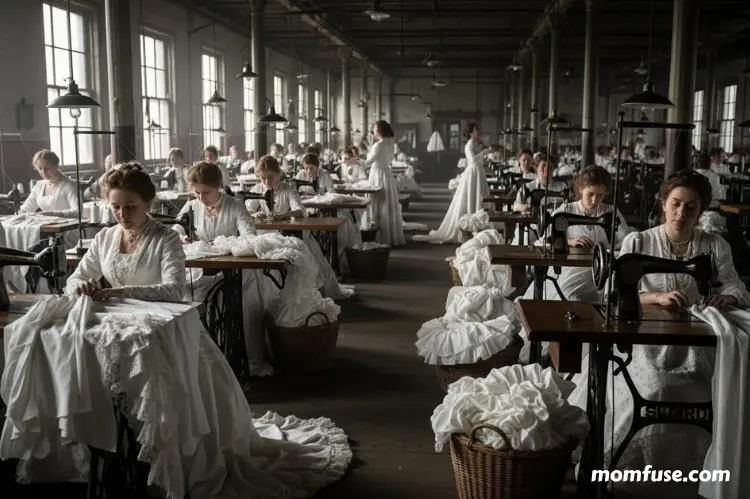
The spread of the white wedding dress depended on technology. Industrial textile production lowered fabric costs. Sewing machines reduced labor time. Railways expanded distribution. Printed fashion magazines circulated images and patterns faster than ever before.
By the late nineteenth century, white dresses were no longer exclusive to royalty. Middle-class women could afford a gown made specifically for the wedding day. This shift mattered. A dress worn once became acceptable because it signaled participation in a growing cultural ideal rather than economic excess.
As weddings became more formalized, the idea of a “bridal gown” took hold. White became the default because it had already been framed as aspirational.
Religion Reinforced the Symbolism Later
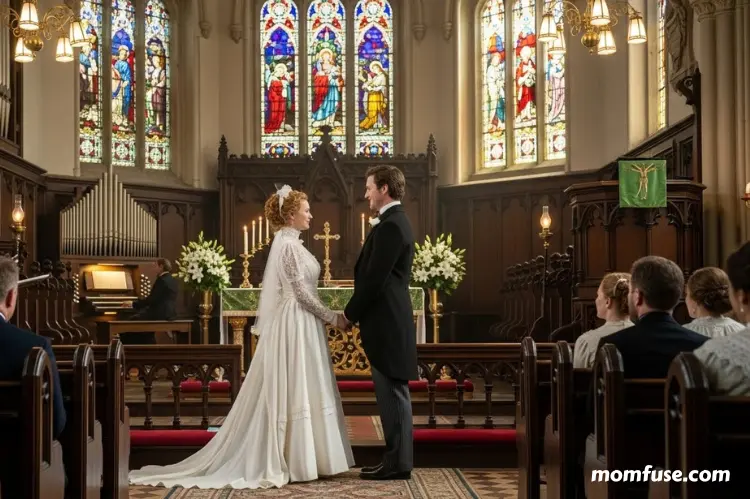
White did not start as a religious rule. It entered church weddings after the style was already popular. During the Victorian era, religious language absorbed the fashion and gave it moral weight. White became associated with purity, innocence, and virtue, mirroring stricter social expectations placed on women at the time.
That shift mattered. A fashionable choice slowly turned into an assumed standard. By the early twentieth century, many brides felt pressure to wear white, even when the symbolism did not reflect their beliefs or circumstances.
Christian theology itself is more nuanced. Scripture does not require a white dress as proof of purity. Marriage is framed as a reflection of the union between Christ and the church. In that image, references to being clothed in “fine linen” speak to the holiness of the covenant, not the color of fabric. Wearing white is permitted, not prescribed. What carries meaning is the commitment being made and the community that witnesses and supports it.
Hollywood and Advertising Locked It In
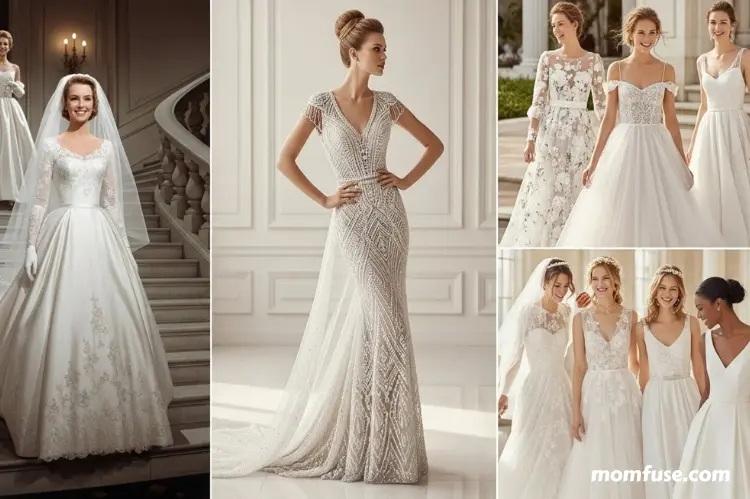
The twentieth century did the rest. Film, photography, and advertising standardized the image of the bride. Hollywood portrayed weddings as climactic moments of romance, always framed in white. Bridal magazines promoted the same silhouettes and color palettes season after season.
The diamond engagement ring rose alongside this imagery. As wedding rituals became more visually coded, accessories followed suit. Rings with white diamonds fit seamlessly into the emerging aesthetic of brightness, clarity, and permanence without needing explanation.
Even their material qualities reinforced the message. As Leibish notes, natural fancy white diamonds are the only diamonds whose color does not come from chemical interaction, reinforcing their association with purity.
The result was a unified visual language. White dress. White veil. White flowers and jewelry. The repetition made the tradition feel ancient, even though it was barely a century old.
Global Adoption Was Not Universal or Immediate
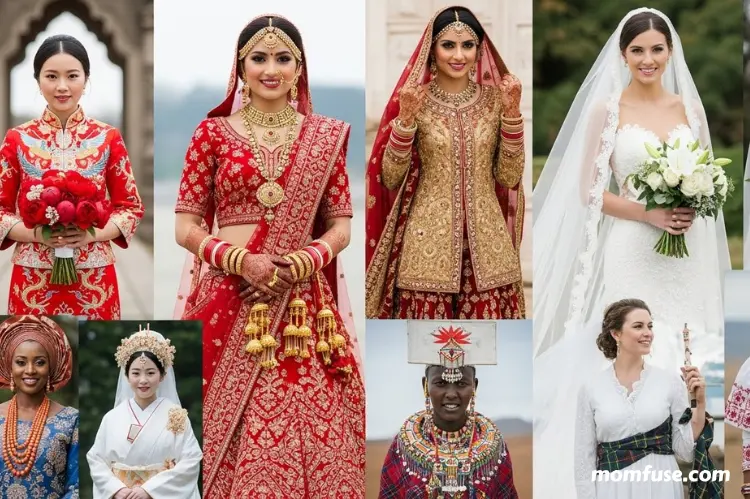
White wedding dresses did not replace local customs overnight. In many cultures, traditional colors remained dominant. Red wedding dresses continue in parts of Asia. Gold and richly embroidered garments are still central in South Asian weddings. In some regions, white historically symbolized mourning, not celebration.
Over time, Western-style white gowns were layered onto existing traditions or reserved for specific ceremonies. This blending shows that white is not inevitable. It is adaptable.
Modern global weddings often include multiple outfits, each honoring a different lineage.
The Modern Bride Is Rewriting the Meaning
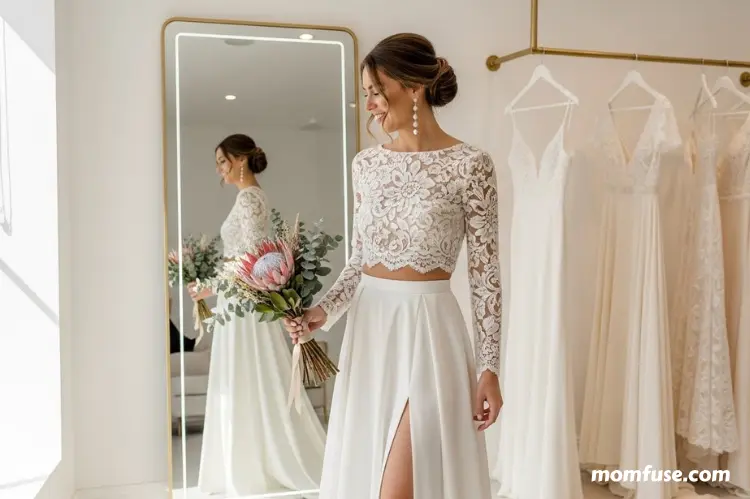
Today’s brides approach white very differently from previous generations. Many still choose it, but without the moral weight it once carried. For some, white feels classic or visually clean. For others, it is just one option among many. A growing number skip it altogether, opting for color, vintage silhouettes, cultural attire, or unconventional fabrics that feel more personal.
This shift is especially visible among Gen Z couples. Their weddings prioritize individuality, comfort, and authenticity over tradition for tradition’s sake. Fashion choices now reflect personality, values, and even humor rather than symbolism. Sustainability, rewearability, and thrifted or heirloom pieces often matter more than following a prescribed look.
What this really means is that the white wedding dress has lost its authority as a rule. Its power now comes from choice, not obligation.
FAQs
What does a white wedding dress mean spiritually?
Spiritually, a white wedding dress is often associated with purity, new beginnings, and commitment. In Christian contexts, it can symbolize the sanctity of marriage and devotion. However, this meaning is cultural, not mandatory, and many now view white as a personal or aesthetic choice rather than a spiritual requirement.
What cultures wear red wedding dresses?
Red wedding dresses are traditionally worn in many Asian cultures, especially in China, where red symbolizes luck, joy, and prosperity. Red is also common in Indian, Pakistani, and Nepali weddings, often representing fertility, celebration, and marital happiness rather than romance or purity.
What is the purpose of a wedding veil?
The wedding veil has served many purposes across history. It once signaled modesty, protection, or family status. In modern weddings, it is largely decorative, chosen for drama, tradition, or style, reflecting personal taste rather than obligation, symbolism, or religious expectation today.
Why the White Wedding Dress Still Endures
Despite its flexibility, white remains dominant. That endurance comes from repetition, media reinforcement, and emotional familiarity. White photographs well. It signals an occasion. It separates the bride from everyday life.
Most importantly, it carries shared recognition. Guests know what it means without being told. That collective understanding keeps the tradition alive, even as its original reasons fade.
The white wedding dress is not ancient. It is not universal. It is not fixed in meaning. It is a cultural invention that succeeded because it aligned status, symbolism, and spectacle at the right historical moment.
And like all inventions, it continues to evolve.
Read Next: What Are the Wedding Dress Styles?

Jessica Fuqua is a mom of two who writes about the messy, beautiful reality of raising kids. She believes parenting advice should feel like a conversation with a friend, not a lecture. When she’s not writing, she’s probably reheating the same cup of coffee for the third time.