
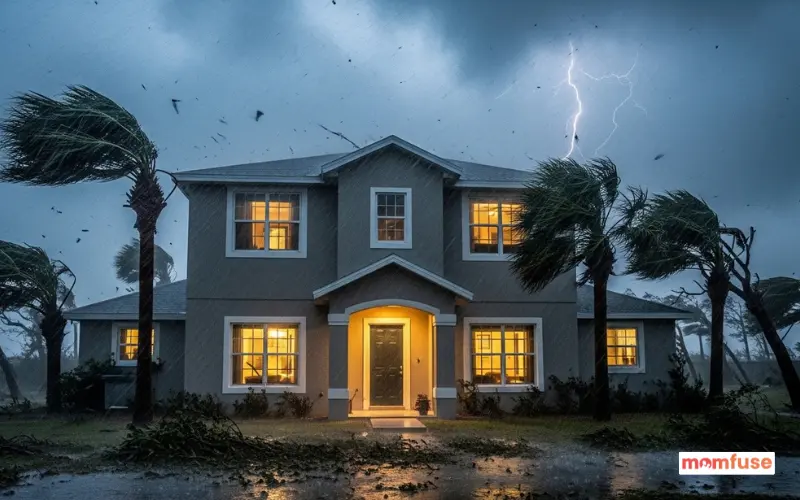

Mother Nature does not write a threatening letter before she hits. It is sunny one day, and the next day you are watching storm clouds grow bigger and bigger with growing alarm. In the “tornado alley” or in the flood zone or in the middle, extreme weather events are on the rise and are increasingly devastating. You do not ask whether a storm is going to occur in your territory, but when.
Creating a weather-resistant house does not mean making it look like a fortress that has destroyed your curb appeal. It is all about making wise decisions that keep your family safe and your investment safe at the same time keeping your comfort and style that you adore. The good news? The vast majority of these upgrades are actually adding value to your home and may reduce your insurance premiums.
Start at the Top
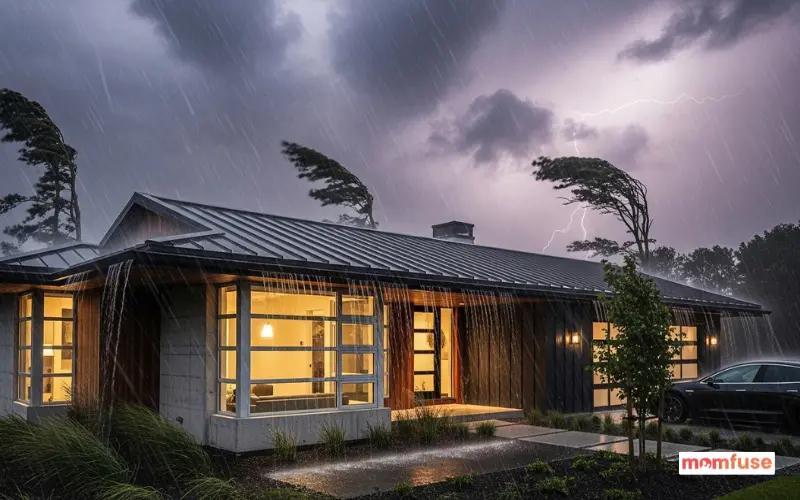
The first shelter of your home is the roof, which serves as a shield against any kind of thing thrown to you by the sky. In case the high winds blow through your area or the hail begins to beat, you need that shield between you and the elements to be firm. The normal asphalt shingles could be cheap, but first to be affected during harsh conditions.
The materials used in the construction of the roofs are impact-resistant to resist the hail, debris, and severe weather changes. These are not the shingles of your grandfather. Contemporary impact-resistant products are also available in different styles and colors which fit any design of a house.
Firms such as NorEast Exteriors, a roofing company specializing in weather proofed installations have been able to witness first hand how the correct roofing decision can spell the difference between simple repairs and outright replacement after a storm.
The material is not as important as the installation. Underlayment is properly applied, edges are sealed and secured shingles are installed properly to come together to make a system. The corners are cut in installation just as purchasing an expensive security system and leave the back door open.
Foundation and Drainage
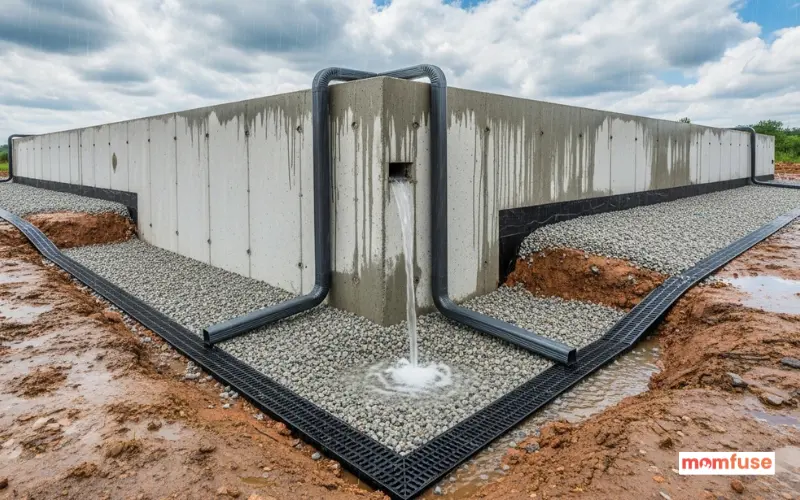
Water is persistent. It can search all cracks and find all the weaknesses, all means to penetrate your house. The beginning of a good foundation is good grading around your place. Your ground should also be sloping and the ground water should flow towards the drainage systems and not accumulate against the foundation walls of the house.
French and channel drains may sound elaborate but they are actually clever means of moving water at the preferred direction. These systems are much cheaper to install when you have nothing wrong than to clean up the water damage when you have already been flooded. Battery backup Sump pumps are an additional insurance measure that will keep your basement dry even when power outages that usually come with severe storms occur.
Gutters are not as important as they should be to most homeowners. These rudimentary systems gather the thousands of gallons of water during heavy rains and channel it to where it won’t harm your house. Wash them on a regular basis, make sure they are in the right pitch and even think of buying bigger ones when there is heavy rain in your area.
Windows and Doors
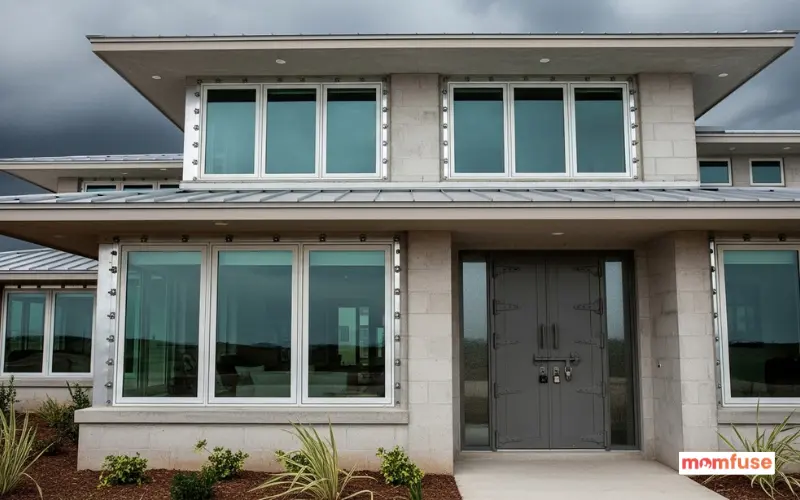
Breaches that are beautiful are windows. They allow entry of light and give access to the views but they can also serve as access point to the wind, rain and debris during storms. Impact resistant windows are made of laminated glass like that of an automobile windshield. A crack may occur when they get struck but they will not come apart in sharp fragments or burst wide open.
Straps are also used to keep the Hurricane out and door frames are reinforced so that the wind does not get its way into the house and then it can pick your roof off and carry it away. It is usually this internal pressure that leads to disastrous roof collapse during tornadoes and hurricanes. Outside doors are to be solid core or metal, have at least three hinges and a deep extension deadbolt that goes into the frame.
Garage doors should not be left behind. Being heavy, sometimes very lightweight, these panels may turn into sails during strong winds, and their collapse may ruin the very structure of your whole house. Horizontal bracing kits and wind-rated garage doors are necessary and do not break the bank.
Weatherproofing and Sealing
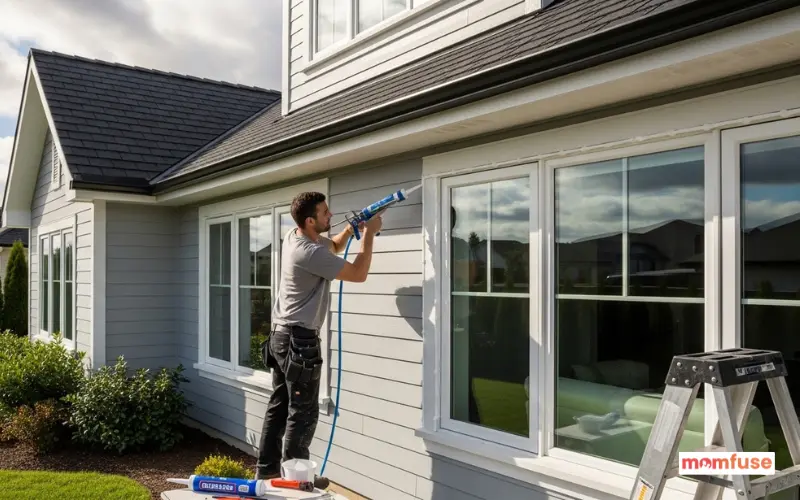
Water intrusion and air leakages usually begin small but end up becoming costly issues. Caulking that surrounds the doors and windows wears out with time and there are holes that allow water and wind to enter the house. Inspect these seals on an annual basis and change when necessary.
The same should be done to exterior caulking of windows, doors and any holes going through your walls. That little crack you have been planning to fix is not only a waste of heating and cooling it. It is a welcome to the water to creep into the crevices of the walls where it can rot, mould and weaken the walls.
Good attic ventilation may not be considered to have much to do with protection against storms, but it assists in control of temperature and moisture content that would influence the longevity and functionality of your roof. This is because balanced intake and exhaust ventilation prevents the accumulation of moisture which would undermine the roof decking and make your roofing material ineffective.
Planning Beyond the Structure
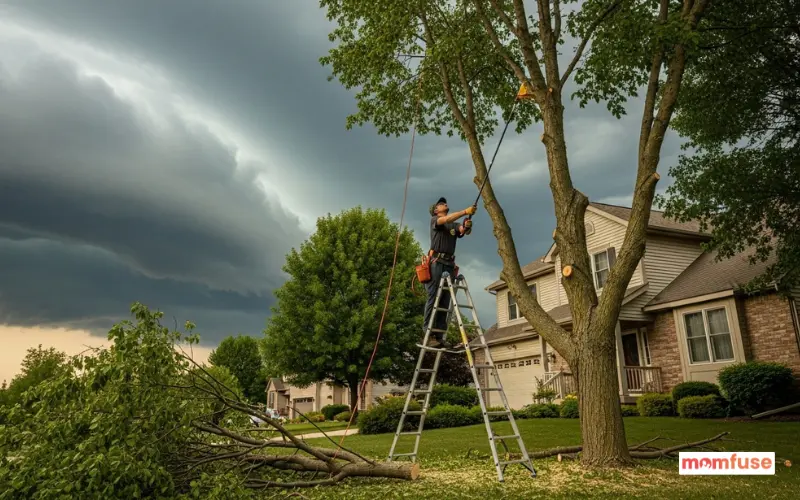
Creating a weather-resilient home does not just start and end with the house. Prune trees on a regular basis in order to eliminate dead branches which might act as projectiles during storms. Planting of new trees should be considered with a lot of caution and the trees must be placed well away the house so that they do not become hazardous in case they come down.
Furniture, grills and decorations that are used outside should be locked or portable to their secure stores in case of a severe weather. It is better to make a plan in advance when the storm is coming so that you are not rushing to the edge of panic.
Store valuable papers, insurance documentation and images of the state of your home in a water and fireproof safe or digitally in the cloud. With this information at hand, it becomes much faster to claim insurance and recover after a disaster.
Being weather resilient is a process rather than a project. Periodic checks, proactive repair and planned improvements make your house an overnight turnaround instead of a target. The next storm will come and you will sleep with fewer worries because you have done all that is possible to secure the things that are important to you.
Read Next: Understanding Flood Damage Restoration for Home & Business

Jessica Fuqua is a mom of two who writes about the messy, beautiful reality of raising kids. She believes parenting advice should feel like a conversation with a friend, not a lecture. When she’s not writing, she’s probably reheating the same cup of coffee for the third time.