


Seasonal changes may cause tightness, itchiness, and dryness of your scalp. Cold sweat, indoor temperatures, and minor changes of habits are quickly accumulated. Knowing what alters – and when – will make you keep your head cool all year long.
What Seasonal Shifts Do to Your Scalp
During the lowering of humidity, water is lost faster through the skin surface. Your shield must be stronger to retain water and keep off an irritant. Such additional straining is usually manifested by itch, fine flakes, and tenderness along part lines.
Cold Air Outside, Heated Rooms Inside

Cold air contains less moisture and therefore every gust is capable of taking water off the skin. The difference is even greater when radiators or forced air is switched on – indoor heat evaporates all that more.
Provided your scalp is already prone to be sensitive then this back and forwards can push it over into irritation and it may also be nothing more than a dry scalp, despite the apparent proximity of the appearance to dandruff. Be aware of how much tighter after a wash or more statical a hair can be, and how this happens as soon as the temperatures drop.
Habits That Make Dryness Worse in Winter
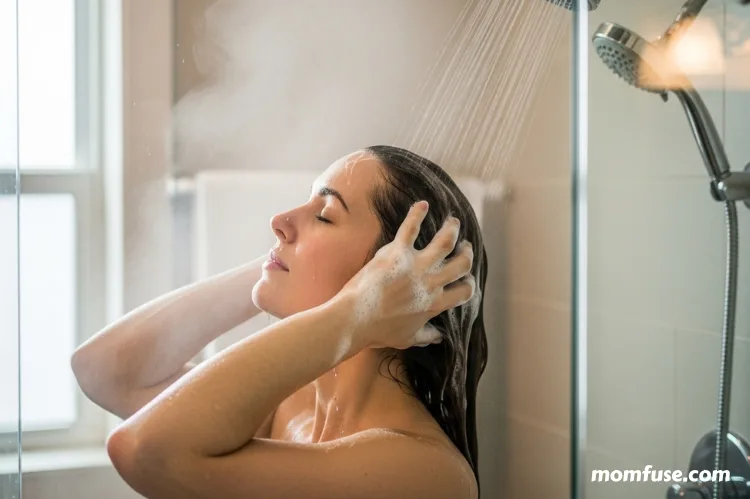
Hot showers are very good on a cold day but they sometimes back fire. A health report has cited that according to the warnings of most dermatologists, a long shower or frequent showers in winter can strip the natural oils and the barrier that may enhance the dryness and irritation. Such short, tepid showers are easier on the head and gentler on your hair.
- Turn the water off a notch, and do not spend much time under the spray.
- Substitute vigorous scrubbing with light massaging of the fingertips during cleaning.
- Separate wash days when the oil permits, then wash extensively, but not squeaky-clean like.
- Allow hair to dry naturally and partly, then dry it with a dryer with the heat turned to the lowest level.
Water Quality and Mineral Buildup
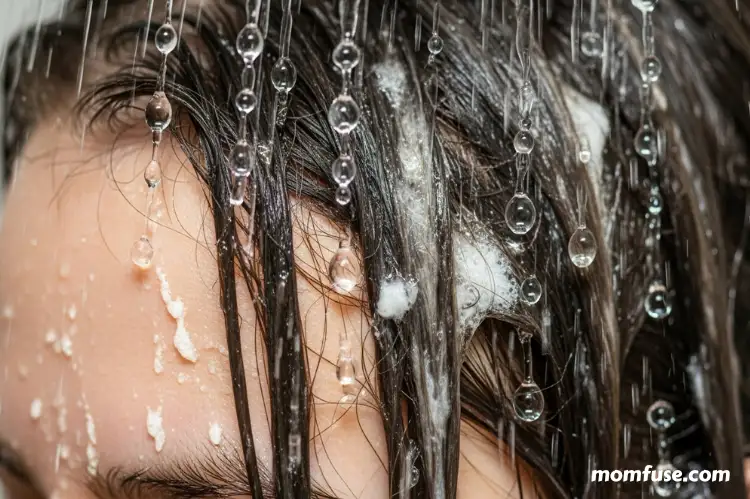
Water that is rich in minerals may cause deposits that scratch the surface of the skin. There was a recent clinical examination that says that the combination of winter conditions, indoor heating, and hard water can facilitate the process of losing moisture and scalp imbalance, which preconditions the itch and flaking. In the event that you see a movie following a shower or your head is tight even with conditioner, minerals might have something to do with it.
Why Flakes Spike Mid-winter
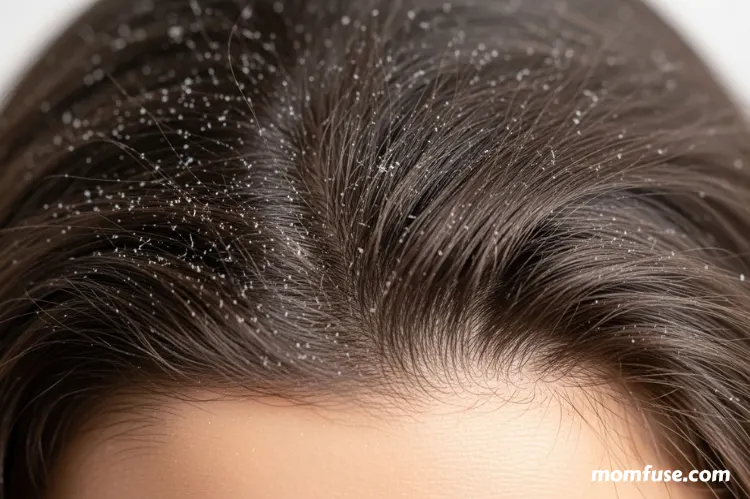
Also, clinicians frequently mention an increase in flaking seasonally after the chill has come in. One of the regional news stories reported on dermatologists encountering ongoing winter dandruff and itchy scalp cases as the weather gets colder, and this seems similar to most individuals in dry climates. The trend is not complicated: drier skin, drier air, and a more sensitive scalp.
Build a Scalp-smart Routine for Each Season
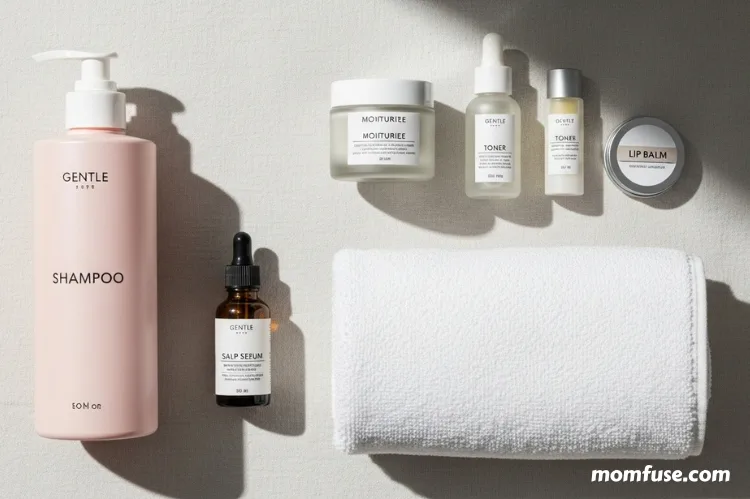
Consider moisture, mildness and minerals. Your schedule must be adjustable to the weather and your activities. Even minor adjustments will reduce aggravation in a couple of wash times.
Moisture
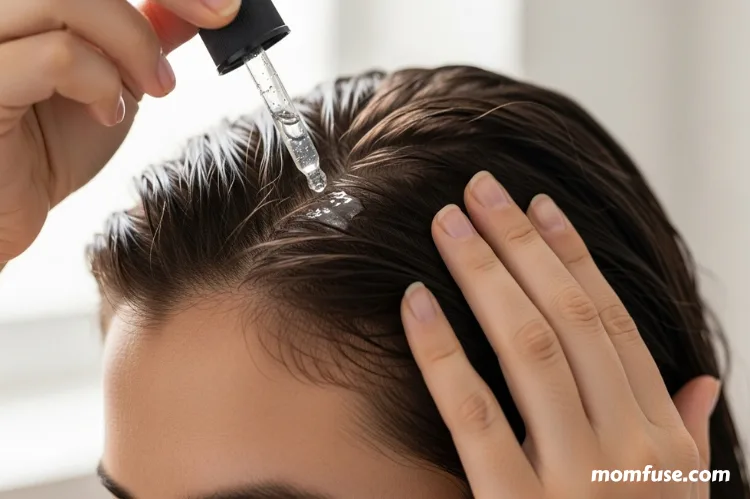
Use a small amount of a hydrator that is scalp safe, on moist skin after washing. Seek humectants such as glycerin combined with calming agents that are not pore clogging. The barrier may also be maintained by a humidifier in the rooms where you are working or sleeping.
Mildness

Make the water warm but not hot and do not have marathon showers. Use mild cleansers where the scalp is tight and forgo harsh clarifying routines until the presence of oil and accumulation really demands it. The light touch of a soft brush lowers the friction on already stressed skin.
Minerals
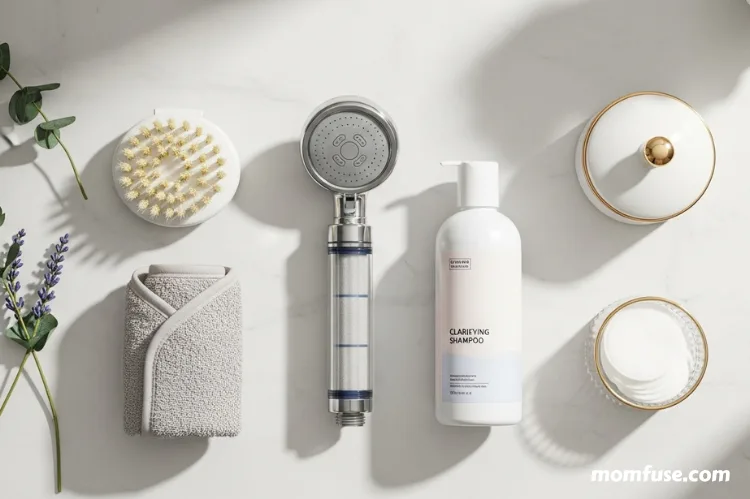
When your water is hard then chelating or clarifying step should be used after every one week or two then hydration followed. A showerhead filter can assist, although it will not eliminate all the minerals and therefore monitor the reaction of your scalp. In case the symptoms persist even when you have changed the product, you may want to test the quality of your water to know what to do next.
- Cover the hair and scalp immediately after swimming to play down the exposure of the chlorine.
- During windy days, a breathable hat should be taken to avoid chapping along lines of the part.
- In case you sweat with hats or headbands, clean the scalp immediately after work.
- Tight clothes should be avoided as they cause tension and friction around delicate parts.
Gentle Styling and Fabric Choices

Winter clothes are an extra friction point that your head is experiencing. Rough hat linings and tight bands may scrape along the hair level and crown, making them more irritated. Wear looser material or line caps using silk-like material so that they are not abrasion causing but warm.
Heat styling is also an area that focuses on loss of moisture at the point of contact of hair and skin. When you dry your hair, allow it to dry on its own at least 70 percent, and then turn on the lowest setting. Keep the tools in motion and not to park the heat at the rings so as to avoid damaging the surface of the scalp.
When Weather Whiplash Hits

Change of gears is the most difficult. One day is cold and dry and the other is rainy and windy and the head must re-tune. Rotate your routine to build in a buffer: Dilute your routine: Have a gentle cleanser as a base, and add a hydrating scalp serum on the driest days and a light clarifier when buildup occurs.
Travel adds another twist. Irritation may be enhanced within several days with the help of new interior heating systems, varying humidity, and unfamiliar water. Cover yourself with pack products that include a mild cleanser, a specific hydrator, and a backup clarifying step, which will allow you to make adjustments within a very short time without necessarily changing everything.
When to Seek Targeted Care
When the redness, pain and thick scales continue, then time to have proper diagnosis. Diseases are interchangeable and what appears to be merely a dryness may need some medicated treatment in a temporary period. Preemptive, specific therapy suppresses the burst and affords your daily routine a fair opportunity to take its course.
Certain indicators of deeper check-in: patches which crack or bleed, burning which takes hours after washing, or even their sustained tenderness along the hairline. Record causes of flares, e.g., hot very hot water, new products and give that to your clinician so that you can be guided more easily to recovery.
What the Evidence Says – in Plain Terms
An article about health highlighted that during winter, long or frequent hot showers may strip off the vital oils and may harm the skin barrier, so they should irritate further, which contributes to turning the temperature down and maintaining rinses short.
The clinical assessment linked the winter conditions, indoor heat and hard water to moisture loss and scalp imbalance which is why some individuals flare even during non-changing of products. Even practicing dermatologists report seasonal scalp and dandruff outbreaks during cold snaps that confirm that it is not in your head, the environment literally makes your scalp work harder during winter.
A calmer head is normally a result of minimal but constant alterations. Adjust to the season, cleanse and take it easy on heat and watch the quality of water. After some clever adjustments and regularity, even in dry months, you can get around with considerably fewer flakes and much more comfort.
Read Next: Skincare Routine for Radiant Skin and Body Health

Jessica Fuqua is a mom of two who writes about the messy, beautiful reality of raising kids. She believes parenting advice should feel like a conversation with a friend, not a lecture. When she’s not writing, she’s probably reheating the same cup of coffee for the third time.