


Plumbing problems disrupt routines, create stress, and lead to costly repairs when ignored. Homeowners who understand the value of preventive care avoid sudden breakdowns and gain more control over their living environment. Small tasks completed throughout the year protect pipes, fixtures, and water systems before trouble starts. A proactive mindset builds confidence and keeps the home functioning smoothly, even during busy seasons.
Preventive steps support long-term stability. Households that invest time in maintenance reduce the chances of unexpected leaks, clogged drains, and faulty components. These habits keep the home safe and comfortable while preserving the integrity of the plumbing system.
Understanding How Routine Care Protects Your System
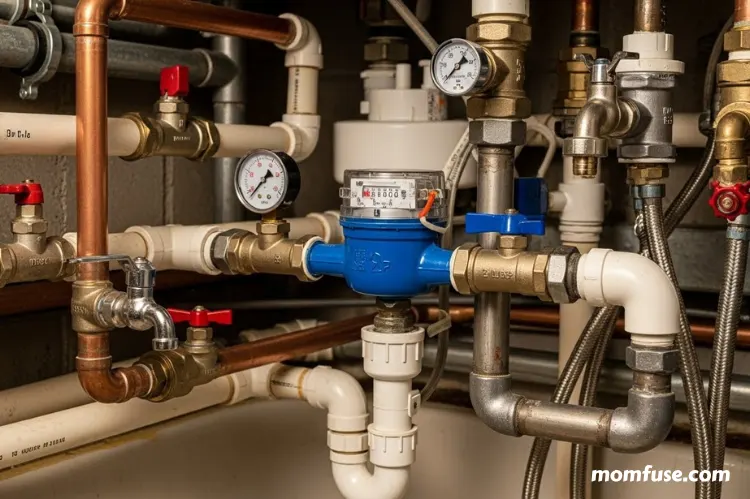
Water flows through a complex network of pipes and fixtures. When any part of that network weakens, the risk of damage rises. Homeowners who monitor their systems regularly spot problems early. This awareness contributes to efficient water use, lower utility bills, and improved performance.
Annual inspections help reveal small concerns before they escalate. Professional plumbers examine joints, seals, valves, and pressure levels. This attention to detail prevents hidden issues from growing into emergencies. Even a minor drip can produce structural damage if it continues unchecked.
Routine observation at home also matters. Homeowners who listen for unusual sounds, watch for slow drains, and notice fluctuations in water temperature stay ahead of future problems. A study from a national building maintenance association showed that early detection reduces repair costs significantly. Regular care keeps your plumbing system consistent, safe, and reliable.
How Preventive Work Supports a Safer Home
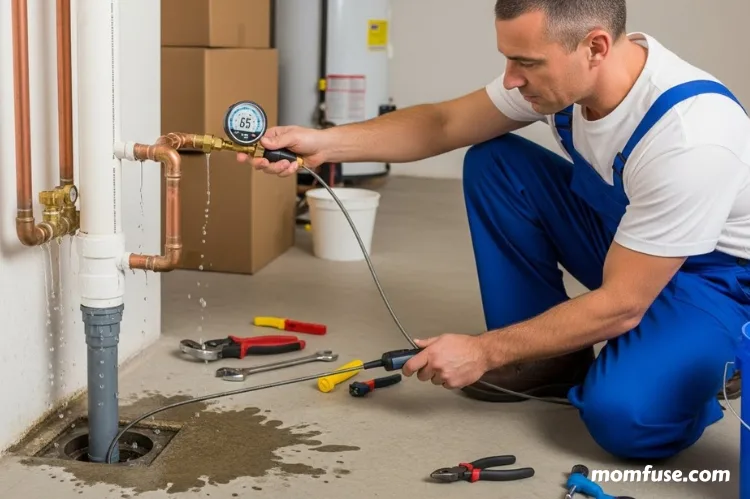
Water damage threatens floors, walls, and personal belongings. When pipes burst or fixtures malfunction, the impact spreads quickly. Preventive measures protect the home from moisture damage and limit the need for disruptive emergency repairs.
Cleaning drains regularly prevents the buildup of soap, hair, grease, and other debris. This avoids blockages that slow fixtures and strain pipes. Using strainers in sinks, tubs, and showers reduces unwanted material from entering the system.
Checking water pressure helps maintain balance inside the pipes. High pressure places stress on joints and connectors, while low pressure signals a possible leak. Pressure gauges offer a simple way to monitor levels and identify abnormalities before trouble develops.
Sealing and insulating exposed pipes improves performance throughout the year. Homes in regions with colder seasons face increased risk of pipe damage when temperatures drop. Proper insulation prevents freezing and expansion that lead to cracks or bursts. A clean, well-functioning plumbing system supports a safer and healthier home environment.
The Importance of Monitoring Key Systems
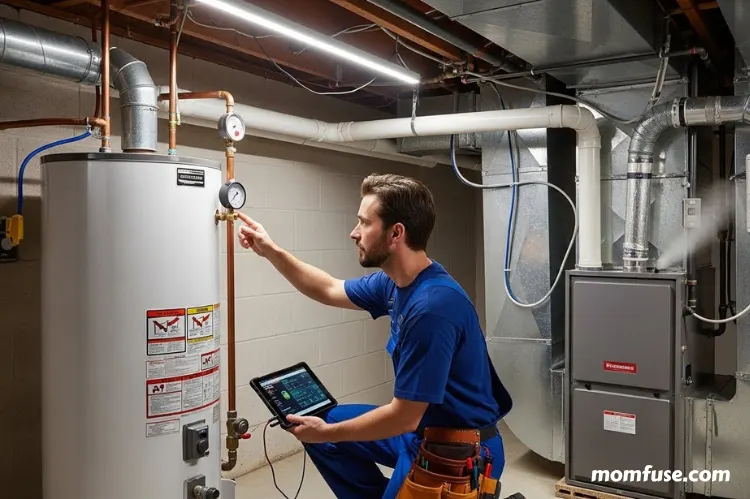
Some plumbing concerns originate from related home systems. Heating, cooling, and mechanical components all influence how water moves and responds within the home. Homeowners benefit from a stronger sense of readiness when they address these systems together.
Regular tune-ups for heating and cooling equipment improve performance and reduce strain on moisture control features. You gain more peace of mind when you prepare for unexpected issues, particularly when you rely on trained professionals to inspect and maintain your system. This becomes extremely valuable when something goes wrong with your HVAC or plumbing, because a connected and well-maintained system makes disruptions easier to manage. Close attention to these linked components improves efficiency and reduces the likelihood of emergencies.
Water heaters require periodic flushing to remove sediment buildup. Sediment reduces heating efficiency and increases energy consumption. When homeowners ignore this task, the heater works harder and becomes more vulnerable to sudden failure.
Sump pumps protect basements and lower levels from flooding. Testing the pump and cleaning the pit ensures proper operation during heavy rainfall. A backup power source provides additional security during outages. Preventive attention to interconnected systems strengthens the entire home.
Protecting Fixtures and Appliances Through Simple Habits
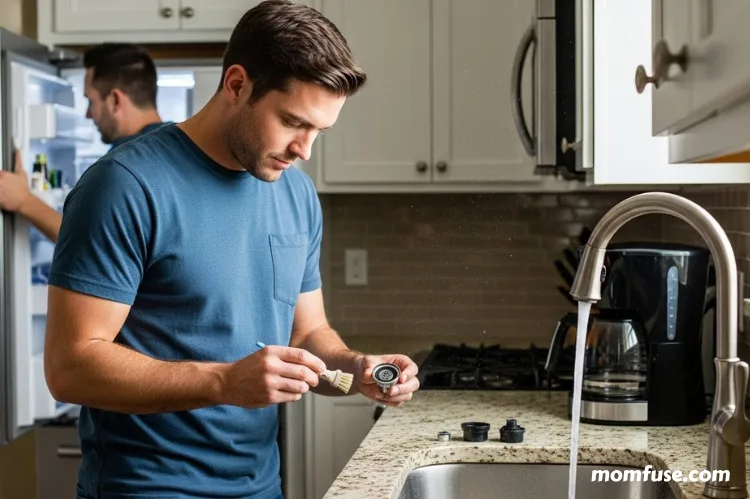
Daily routines influence plumbing health more than people often realise. Kitchen sinks, toilets, washing machines, and dishwashers handle water movement constantly. When homeowners follow consistent care practices, appliances last longer and function more reliably.
Avoiding harsh chemical drain cleaners keeps pipes safe. These formulas damage materials and weaken structural integrity. Mechanical drain cleaning tools or natural solutions work better and reduce long-term risk.
Using appliances according to their guidelines improves efficiency. Overloading washing machines, running dishwashers with heavy debris, or flushing non-flushable items places immediate stress on the plumbing system. Clear household rules support smoother operation and prevent expensive mistakes.
Regular cleaning of faucet aerators and showerheads improves water quality and flow. Mineral buildup restricts movement and reduces performance. Simple cleaning restores function quickly. A conscious daily approach protects fixtures and reduces the likelihood of sudden breakdowns.
Why Outdoor Plumbing Maintenance Matters

Exterior systems influence indoor plumbing more than some homeowners expect. Gutters, downspouts, irrigation lines, and sewer connections all affect water management throughout the property. Preventive care outdoors reflects directly on indoor stability.
Clearing gutters maintains proper flow away from the house. Clogs cause water to pool near the foundation, which increases the risk of seepage and structural damage. Downspouts should extend far enough to direct water safely away from the home.
Inspecting outdoor hoses and spigots each season helps identify cracks and leaks. Even small openings waste water and raise utility costs. Turning off exterior water supply lines before cold weather prevents freezing inside pipes.
Monitoring tree roots provides additional protection. Roots naturally seek moisture and can invade underground pipes, causing clogs or breaks. Professional evaluation of the sewer line alerts homeowners to potential interference. Healthy outdoor plumbing supports the strength and efficiency of the entire home.
Working With Professionals for Long-Term Protection
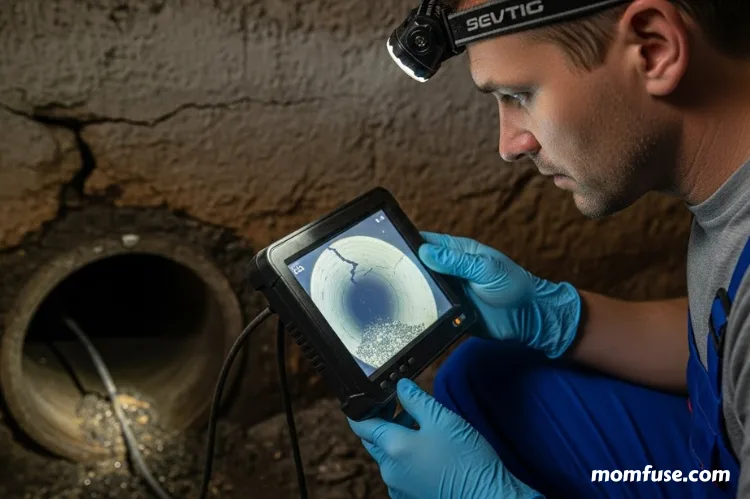
Regular professional support enhances the success of preventive measures. Trained plumbers use specialised equipment to diagnose issues that remain hidden to the eye. Their insight helps homeowners understand the true condition of their systems and plan future maintenance.
Camera inspections reveal blockages deep within sewer lines. Pressure tests locate weak points. Water quality assessments detect mineral imbalances or corrosion risks. When homeowners receive this information early, they can address problems without facing sudden disruptions. Professional partnerships build confidence and contribute to a long-term maintenance strategy.
Preventive care protects your home, improves efficiency, and reduces emergency plumbing problems. Small, consistent actions keep your water systems stable and reliable. When homeowners focus on routine inspections, daily best practices, and seasonal preparation, they create a home that remains comfortable and secure throughout the year. Attention to both indoor and outdoor systems strengthens resilience and reduces stress. A proactive approach keeps your plumbing functioning at its best and supports a safer, more dependable home environment.
Read Next: Understanding Flood Damage Restoration for Home & Business

Jessica Fuqua is a mom of two who writes about the messy, beautiful reality of raising kids. She believes parenting advice should feel like a conversation with a friend, not a lecture. When she’s not writing, she’s probably reheating the same cup of coffee for the third time.