


Three years ago, our family was sitting in a silent conference room when my aunt received stage four cancer and her oncologist was explaining the further courses of actions in detail. One word was repeated several times in that discussion, and it was palliative care, as well as hospice.
I recall glancing about the table and finding that all faces were the same with regards to uncertainty. We said yes, and we were thinking inwardly, whether those words were the same, and what they really meant to her in the future.
They are not identical, something which is so different than most of us assume. Palliative care and hospice are different as they have various objectives, various timeframes, and contribute to the support of patients in various manners.
Learning the distinction can not only influence medical judgments, but also the emotional process of severe disease. It influences the way in which the symptoms are addressed, the degree of support the families get and how individuals perceive hope in the face of a very challenging period.
There are organizations such as TRU Community Care that seek to take the family through these decisions, yet a simple knowledge of yourself may be empowering. Having a basic understanding of the same will help you ask the right questions, support the needs of your loved one, and make rational decisions when you are not afraid of doing the right thing. Knowledge is one of the most important kinds of support in the situations when it is unclear about everything.
What Palliative Care Actually Is

Consider palliative care as an extra band aid you can place at any stage of a terminal illness. Your mother has a case of heart failure? She will be able to begin palliative care immediately as she continues receiving treatments to remedy or control her condition.
It is a fairly simple purpose: to improve life. It includes coping with pain and other symptoms, of course, but it also encompasses the emotional burden of being ill, the spiritual issues that arise, and the practical aspects of it such as determining which type of treatment will be the most useful to the patient.
I have observed that palliative care teams collaborate with oncologists, cardiologists, and pulmonologists. They are not taking over the main physicians. They are bringing in an additional dimension of expertise whose main concern is on quality of life. A patient may be undergoing chemotherapy and at the same time may be working with a palliative doctor to help him/her deal with nausea, lack of energy and anxiety about the future.
No time schedule required as well. There are individuals who spend many years in palliative care. Others may take it over a few months of a very intense treatment regimen. It folds to suit the requirements of the patient.
Where Hospice Comes In
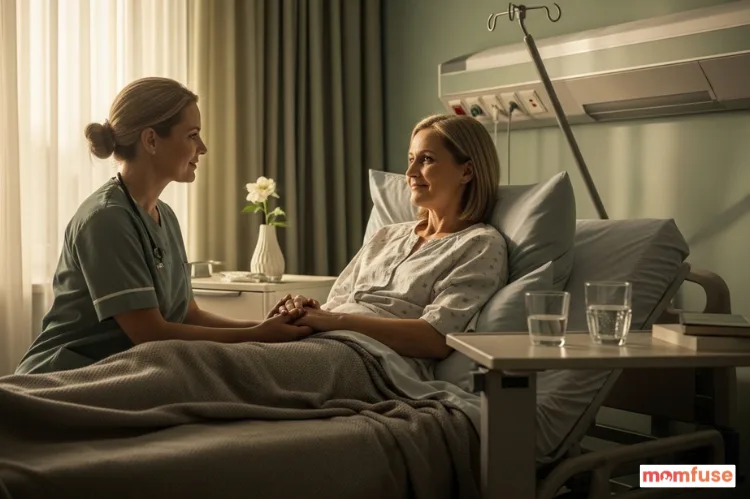
Hospice is more specific. It is applicable to individuals who no longer receive curative care and who probably have less than six months left to live. That is the technical definition, at least, but it is notoriously hard to predict such things and doctors are known to be wrong on such.
The practical variation here is that once a person has been put to hospice, he or she is telling him or her that he or she does not want to work on this disease anymore, but he or she wants to concentrate on comfort all the time. They stop chemo. They stop dialysis. Whatever interventions were meant to extend their lives, they halt it and instead invest all their efforts in living their lives to the fullest they can within the time that they have left.
Majority of hospice care is done at home. A unit is assigned to you: nurses, aides, social workers, chaplains as you please. They come to bring equipment, pain and symptom control medications and 24/7 phone care. Other individuals do hospice in nursing homes or special hospice facilities, yet home is the most prevalent than most individuals would think.
Hospice is fully covered by Medicare and that comes out of the blue by many families. No copays, no deductibles. The drugs associated with the terminal condition? Covered. The hospital bed? Covered. Even respite care when family caregivers require a respite.
The Timeline Question

This is part of it that is most bewildering to families and it catches people up every other time. And palliative care can start the moment one is diagnosed with a severe disease of any stage or prognosis. A patient can enjoy years of palliative care possibly even decades before death and still receive the other treatments.
Hospice, conversely, is planned to be used with individuals who have a high probability of dying within the next six months under normal circumstances of the illness.
What is mostly ignored is the flexibility that hospice has. Admission into hospice does not imply the end of care and lack of choice. In case the state of a person becomes stable, better, and no longer qualifies hospice help, they may leave hospice at any point and resume regular medical care or palliative care without any penalty.
In spite of this wiggle room, hospice may be emotionally a one-way street. The mere label has a deep psychological burden on the patients as well as the families. Fear is one of the reasons why it is necessary to realize that hospice care is a type of care, but not an ultimate choice, and then the family can think about the things that really matter at this period of life, such as comfort, support, and quality of life.
Why People Wait Too Long
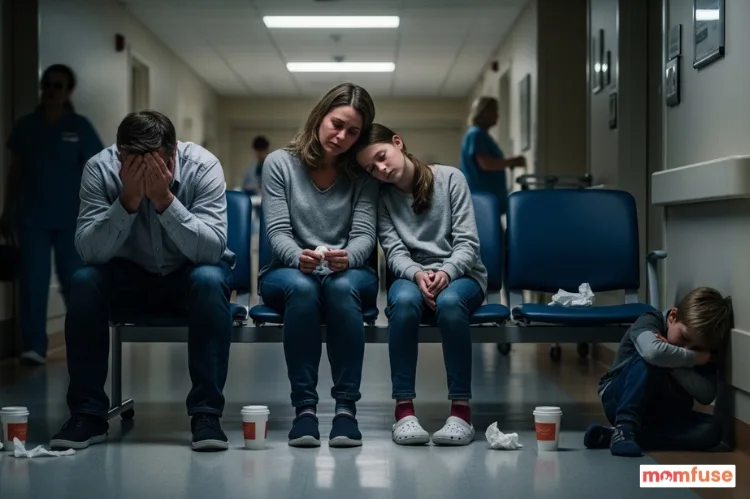
Studies have indicated that the majority of individuals enrolling into hospice care have less than three weeks to live although they can receive up to six months of holistic care. Those last few weeks tend to be in the state of crisis, when the physical conditions are acute and the level of emotional stress is the highest.
Pacing hospice to accept them when an individual is in the process of dying, patients and families miss the chance of a lot of time that could have been spent in a better environment and with more support.
Why should this delay be so frequent then? To a large number of families, acknowledging that the hospice is necessary is tantamount to giving up hope or betraying the ill individual. The decision carries a strong emotional baggage of painful questions of what might have been.
Suppose there is a last treatment to be tried? What will happen this time round when everything works against odds? Such suspicions have the potential of holding families in a state of confusion, even when treatment is not effective.
Waiting is, unfortunately, no free thing. Delaying hospice is a way of forfeiting months of symptom management, emotional and spiritual support and assistance through one of the most challenging transitions in life. Those families who initiate hospice early are better reported to experience less stress, communication is improved and there is meaningful time spent together.
What They Have in Common

Palliative care and hospice both put the goals, values, and preferences of the patient at the center of all decisions made. Instead of simply medical outcomes, both methods start by posing meaningful personal questions: what really matters to you, what do you want to do with your time, and what are your most troubling issues or problems that are impacting your quality of life?
All care models are based on the team-based approach which takes into consideration the entire person, rather than the disease itself. Physical symptoms, emotional state, spiritual issues, and practical needs are met by doctors, nurses, social workers, counselors, and other specialists. The coordinated care means that it is multifaceted and person-centered support.
Palliative care also understands that it is not only the patient who is impacted by serious illnesses and hospice understands the same too. Even without the care models, families and caregivers have emotional, physical, and logistical loads of their own, and these care models deliberately involve them in the support system. They provide counseling, training, and emotional assistance to families going through an extremely difficult period with more confidence and understanding.
Making the Decision

There are no easy decisions on which kind of care to provide, particularly when feelings, doubts and medical facts are piled up on top of each other. The first point to begin is by inquiring whether or not curative treatment remains the primary goal.
Palliative care can be the right direction to follow in case there are existing treatments that are put to slow down or manage the disease as well as to make the condition more comfortable. This is in case the emphasis has fully moved towards comfort, dignity and quality of life in the remaining time, then hospice care might be the better choice.
It requires open and frank communication with the healthcare providers. Families are also supposed to be motivated to request doctors to provide an explanation of the prognosis, the possible result of proceeding with treatment and what other measures of care are able to deliver in reality.
Knowing the advantages, constraints and the possible weight of each option guides families to make choices founded on the understanding of their advantages and constraints as opposed to fear or apprehension.
The point that one should always keep in mind is that the decision to be comfortable instead of curing is not an indication of giving up. Rather, it might be a very considerate and humane choice that gives precedence to peace, dignity and personal values. To a great number of people and families, prioritizing comfort, meaningful moments and emotional well-being is the most daring and loving option possible.
Read Next: Inside Modern Diagnostics: Exploring Advanced Scanning Method

Jessica Fuqua is a mom of two who writes about the messy, beautiful reality of raising kids. She believes parenting advice should feel like a conversation with a friend, not a lecture. When she’s not writing, she’s probably reheating the same cup of coffee for the third time.