


Ordering new lenses online can save time and money, but small mistakes may turn a simple purchase into a frustrating experience. With so many websites offering different lens types, coatings, and frame options, it can feel easy to make a choice that does not quite fit personal needs. Understanding what to avoid helps prevent wasted money and poor vision results.
This article explains how to make smart decisions before completing an order. It highlights errors people often overlook, like using an incorrect prescription, skipping size details, or choosing lenses that do not match daily habits. Each section offers clear guidance so anyone can buy lenses online with confidence and comfort.
Not Verifying Your Prescription Details Carefully

Many people order glasses online without double-checking their prescription. A small error in one number or abbreviation can cause blurry vision or headaches. It takes only a few minutes to confirm that the prescription matches what the eye doctor wrote. This includes checking the right and left eye labels, sphere, cylinder, axis, and pupillary distance.
Buyers should also confirm that the prescription is up to date. Expired prescriptions often lead to wrong lens strength or vision discomfort. Anyone replacing old frames or shopping for affordable replacement lenses for glasses should review these details before paying.
Even trusted online retailers can only create accurate lenses if the data entered is correct. Therefore, reading each number carefully and confirming measurements with a previous pair of glasses helps prevent mistakes. Verifying this information before checkout saves time, avoids returns, and helps new lenses match the wearer’s vision needs exactly.
Ignoring the Importance of Lens Coatings Like Anti-reflective or Blue Light
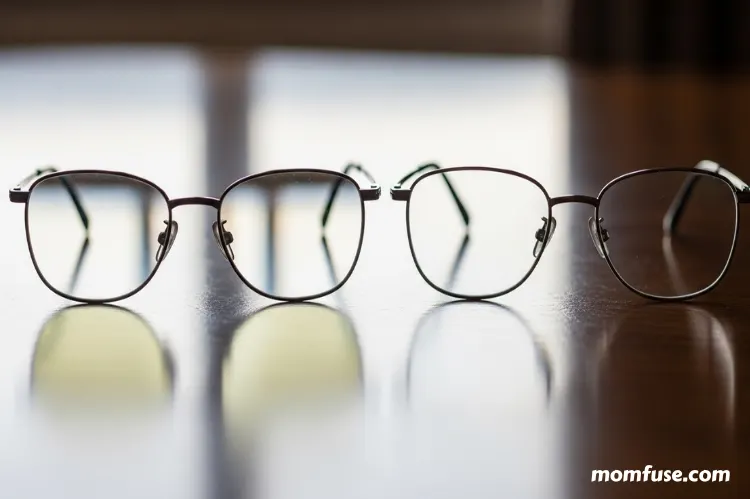
Many people skip lens coatings to save money, but this choice can reduce comfort and clarity. Anti-reflective coatings allow more light to pass through the lens, which helps reduce glare and reflections that distract the eyes. This feature improves vision for tasks such as driving at night or using digital screens.
Blue light coatings can also matter for those who spend long hours on computers or phones. They filter some of the high-energy light from screens, which may reduce eye strain and help maintain clearer sight. Though research continues on their long-term effects, many users report improved comfort.
Different coatings serve different needs. Anti-reflective layers focus on reducing reflections, while blue light coatings target digital exposure. Ignoring these options can lead to lenses that scratch easily or feel less comfortable in daily use. Therefore, understanding and choosing the right coating helps make glasses more functional and visually clear.
Choosing Lenses Incompatible With Your Lifestyle Needs

Many people choose lenses based only on price or looks and ignore how they use their eyes each day. Someone who spends hours at a computer may need lenses that reduce glare or filter blue light, while another person who drives often might need lenses that handle bright sunlight well. A mismatch can cause eye strain or frustration later.
Certain lens materials and coatings work better for specific tasks. For example, photochromic lenses help those who move often between indoor and outdoor areas. In contrast, lightweight plastic lenses may better suit people who play sports or need durability without extra weight.
A person’s daily habits also affect lens choice. Those who read or use digital screens constantly may benefit from progressive or anti-reflective lenses. Therefore, it helps to think carefully about how the lenses will serve real-life activities before ordering. Making thoughtful choices early prevents the need for costly replacements later.
Skipping Frame Size Measurements for Proper Fit

Many people skip frame size measurements and end up with glasses that pinch their nose or slide off too easily. Frame dimensions such as lens width, bridge width, and temple length decide how comfortably the glasses sit on the face. A poor fit can cause pressure points or uneven weight balance that leads to discomfort during daily wear.
Each number printed inside the frame arm has a purpose. The lens width shapes how the glasses look, while the bridge width affects how they rest on the nose. If the bridge is too narrow, the frame may feel tight. If it is too wide, the glasses may not stay in place.
Accurate measurements matter even more for online purchases since there is no chance to try the frames first. Buying frames in the wrong size can cause headaches, eye strain, or poor vision alignment. Measuring properly before ordering helps avoid these problems and supports comfort all day.
Ordering From Unverified or Non-legitimate Retailers
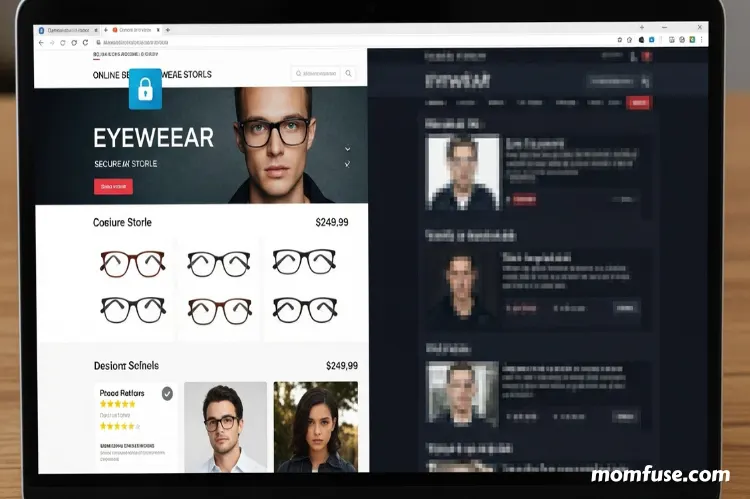
Many buyers overlook the importance of checking a seller’s background before placing an order. Fake or unverified retailers often copy the look of real stores, which can make them hard to spot at first. As a result, customers risk losing money or receiving fake lenses that can harm their eyes.
It helps to confirm that the seller lists a physical address, clear return policy, and customer support contact. A missing or vague policy usually signals a problem. Looking up reviews on trusted consumer websites can also reveal if others faced issues with delivery or product quality.
Secure websites typically show a lock icon in the browser and use a proper “https” address. Unsecured checkout pages or requests for direct wire payments should raise concern. Taking time to verify the seller’s legitimacy protects both personal information and eye health.
Conclusion
Ordering new lenses online can save time and money, but success depends on attention to detail. The buyer must check that the prescription is current, frame measurements match, and the lens features meet daily vision needs. Skipping these steps often leads to discomfort or poor vision.
Accuracy matters in every part of the process. A small error in pupillary distance or lens type can cause problems that affect eye comfort. Therefore, careful review before placing an order helps avoid costly returns or adjustments later.
Buyers gain better results by reading return policies, verifying seller legitimacy, and comparing product details before purchase. These small actions prevent most common problems and build confidence in the final product. A thoughtful approach protects both vision and budget while providing clear, comfortable, and lasting results.
Read Next: Smart Screen Habits to Protect Parents’ Eye Health

Jessica Fuqua is a mom of two who writes about the messy, beautiful reality of raising kids. She believes parenting advice should feel like a conversation with a friend, not a lecture. When she’s not writing, she’s probably reheating the same cup of coffee for the third time.