
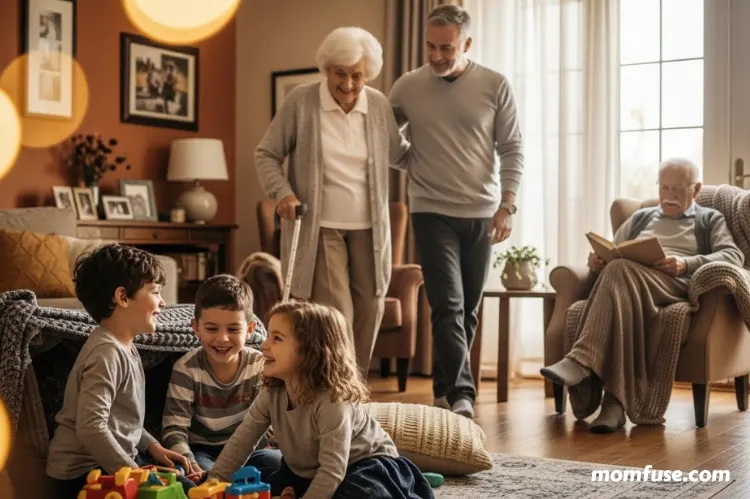

Juggling snack requests and homework meltdowns is demanding enough, but when you’re also navigating a parent’s unsteady steps, home can be a minefield of worry. You’re the loving hub of a multi-generational family, constantly balancing the vibrant energy of childhood with the changing needs of aging, all while trying to keep everyone safe.
The good news? Creating a secure home for both ends of the age spectrum doesn’t require a full renovation. By applying strategic, thoughtful changes, you can build an environment that protects your curious children, supports your parents’ independence, and finally gives you peace of mind.
Creating Accessible and Functional Layouts

A safe and functional home starts with clear pathways. Arrange furniture so that hallways, living rooms, and kitchens remain open and unobstructed, giving toddlers space to move freely and seniors enough room to navigate safely. Reducing obstacles in high-traffic areas can prevent trips and make everyday routines feel less stressful for everyone.
Accessible storage is another key element. Keep toys, snacks, and household essentials within easy reach, using low shelves for children and reachable cabinets or pull-out drawers for older adults. This minimizes the need for bending, stretching, or climbing, helping both kids and seniors move independently while keeping the home organized.
Multi-purpose furniture can further enhance safety and functionality. Items like storage benches, ottomans, or shelving units serve as seating, play zones, and organizational tools, keeping clutter off the floor. Thoughtful furniture choices allow children to play safely while providing older family members with the stability and support they need.
Good lighting ties the whole layout together. Ensure every room and hallway is well-lit, with switches placed at convenient heights for all family members. Good lighting reduces the risk of accidents, makes navigating the home easier for seniors, and helps parents keep an eye on children without constantly worrying about potential hazards.
Fall Prevention and Home Modifications
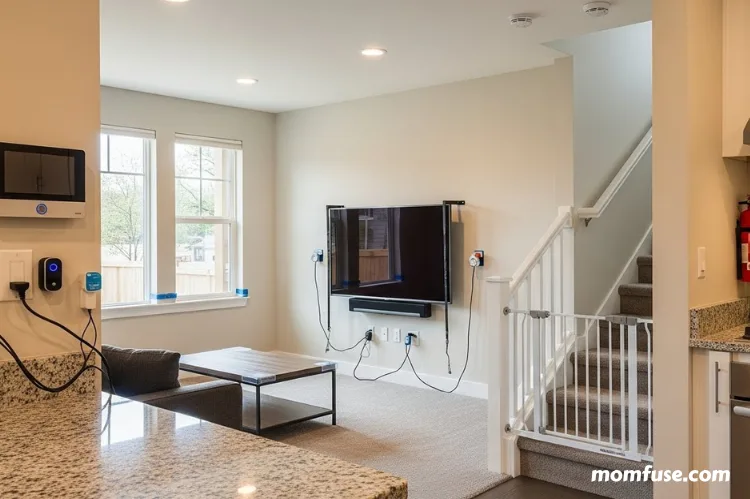
Falls are one of the most significant risks in a multi-generational home, posing a serious threat to both curious toddlers and aging adults. By proactively modifying your home’s key areas, you can dramatically reduce hazards and create a safer environment for everyone. Focus on these critical zones:
- Flooring Fundamentals: Secure or remove loose rugs, clear walkways of toys and clutter, and ensure all hallways and pathways are well-lit with night lights for nighttime safety.
- Doorways and Thresholds: Keep doorways and thresholds clear of obstacles and ensure rugs or mats at entrances are secure. Even small steps or uneven surfaces can cause trips, especially for toddlers running indoors or seniors using mobility aids.
- Bathroom Upgrades: Install professionally mounted grab bars in the shower and near the toilet, and use non-slip mats inside and outside the tub.
- Stairway Safety: Implement safety gates for young children and ensure handrails are sturdy on both sides. For ongoing accessibility, a properly installed stair lift offers a secure solution, preserving independent access between floors for aging family members.
Emphasizing Outdoor Safety
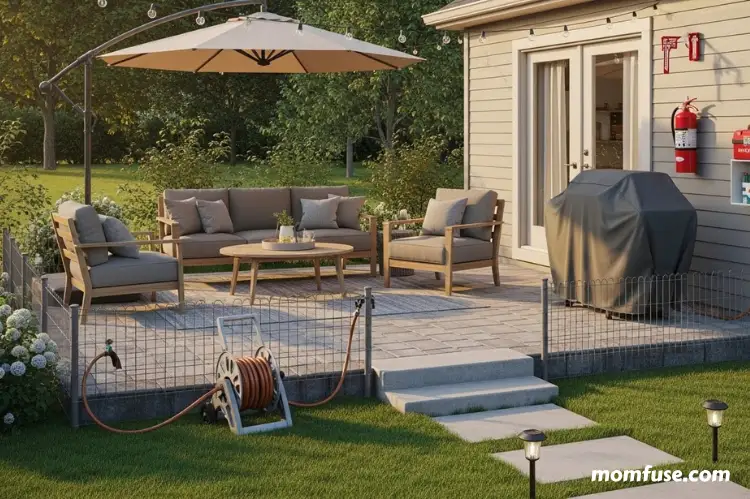
Outdoor spaces can be full of fun, but they also come with unique hazards for both children and aging parents. From uneven walkways to pools and garden tools, small risks can quickly become accidents if precautions aren’t taken. Moms can make yards, patios, and driveways safer with some simple strategies.
Start by inspecting walkways, stairs, and patios for cracks, slippery surfaces, or uneven areas. Consider adding non-slip mats or handrails where needed, and keep outdoor lighting bright to prevent trips during evening hours.
Swimming pools and water features require extra vigilance. Install gates or barriers to prevent toddlers from accessing water unsupervised, and make sure seniors have sturdy, slip-resistant surfaces and support if they spend time near the pool or garden areas.
Finally, keep outdoor toys, tools, and equipment organized and stored safely when not in use. Clear zones for play and walking can reduce accidents, allowing children to explore freely while seniors move safely around the yard.
Keeping Your Home Healthy and Pest-Free

Toddlers are prone to touching surfaces and putting objects in their mouths, while seniors may have weakened immune systems, making a hygienic environment critical for everyone’s well-being.
Regular inspections can help identify problem areas before they become serious. Check for signs of moisture, cracks, or gaps where pests might enter, and address these issues promptly to reduce risks.
Proper food storage and trash management also play a key role. Keep snacks and perishables in sealed containers, dispose of garbage frequently, and ensure trash bins have secure lids to avoid attracting insects or rodents.
If you notice recurring insect or rodent problems, it’s wise to hire a trusted exterminator to ensure the environment is safe for both children and seniors. Prompt professional intervention can prevent infestations from spreading, protect your family’s health, and give peace of mind knowing your home remains a safe, hygienic space for everyone.
Emergency Preparedness for the Whole Family

Being prepared for emergencies can make a huge difference in a multi-generational household. Start by creating a simple plan for potential situations such as fires, falls, or medical emergencies. Identify safe meeting points, outline steps for evacuating, and make sure everyone understands their role in the plan.
Keep first aid kits fully stocked and place them in easily accessible locations throughout the home. Post important emergency numbers—fire, police, poison control, and doctors—where both children and older adults can see them quickly in a crisis.
Teaching children basic safety skills is essential. Practice fire drills, review how to call for help, and explain when and how to use emergency exits. At the same time, ensure older family members know evacuation routes, where supplies are stored, and how to get assistance if needed.
Regular practice and gentle reminders help everyone feel more confident and capable, giving parents peace of mind that the whole household is prepared.
Wrapping Up
By thoughtfully considering the needs of both children and aging parents, you can create a space where independence, comfort, and security coexist. Every precaution, adjustment, and mindful habit strengthens your family’s ability to thrive together, turning your home into a place where energy, curiosity, and care can flourish safely, making peace of mind a daily reality.
Read Next: Family Support Systems That Strengthen During Hard Times

Jessica Fuqua is a mom of two who writes about the messy, beautiful reality of raising kids. She believes parenting advice should feel like a conversation with a friend, not a lecture. When she’s not writing, she’s probably reheating the same cup of coffee for the third time.