
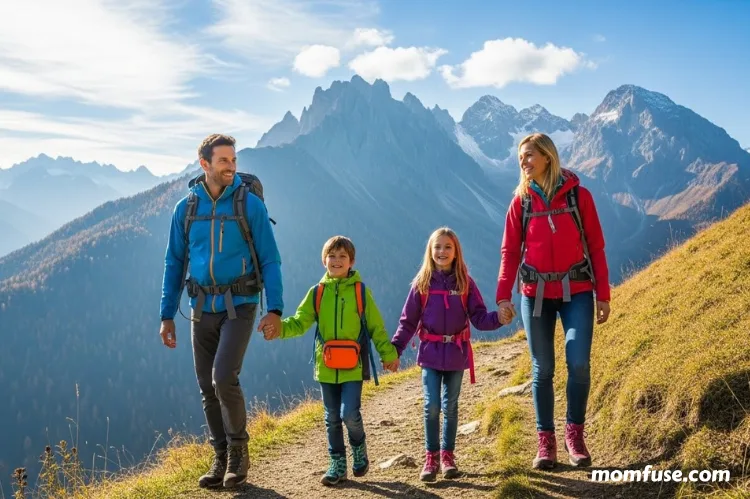

Heading into the mountains with children calls for thoughtful preparation that supports safety and enjoyment. These environments invite exploration, learning, and shared experiences, making them powerful settings for family connection and personal growth.
Mountains present unpredictable conditions and physical demands. Careful planning helps families respond calmly to challenges, reduce risk, and create positive memories that keep children engaged and confident throughout the experience.
Start With Realistic Planning and Expectations

Thoughtful planning shapes how children experience time in the mountains. Routes should be tailored to the individual’s age, stamina, and prior experience with hiking or altitude. Shorter distances with clear landmarks keep motivation steady and reduce frustration. Parents who research terrain and elevation ahead of time can better judge what feels achievable rather than overwhelming.
Involving kids early builds interest and trust. Let them examine maps, select snack options, or discover why certain paths were chosen. Families preparing for advanced goals often draw inspiration from resources like a summit course for Mont Blanc, which highlights how preparation scales with ambition and conditions.
Clear explanations help children feel secure. Talking through daily plans, rest points, and possible changes helps manage expectations and keeps surprises from turning into stress.
Hydration, Nutrition, and Rest Are Key
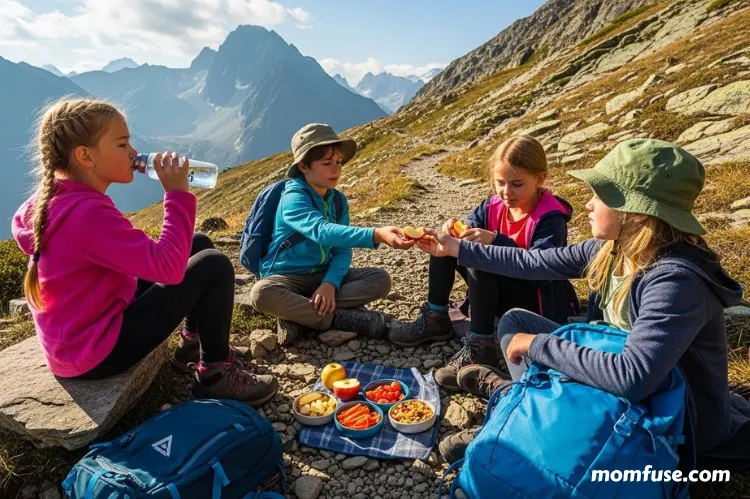
Energy levels drop faster at altitude and during long walks. Children may not notice early signs of thirst or hunger, so planned breaks matter. Frequent sips of water and small snacks maintain focus and prevent irritability. Balanced options support stamina and mood.
Rest stops should feel intentional rather than reactive. Sitting down before exhaustion sets in helps avoid resistance later. These pauses create chances to check comfort, adjust layers, and reset expectations.
Allowing kids to help choose break spots gives them agency. A steady rhythm of movement and rest keeps the day enjoyable rather than draining.
Dress and Pack Smart

Proper gear influences comfort, safety, and mood. Mountain weather shifts quickly, so children need adaptable clothing that handles wind, sun, and rain. Layers help regulate body temperature and prevent chills or overheating. Footwear with a solid grip reduces slips and builds confidence on uneven ground.
Packing should balance necessity with weight. Kids benefit from carrying small packs with water, snacks, and an extra layer. This responsibility builds awareness without causing fatigue. Parents should handle navigation tools, first aid, and emergency supplies.
Explaining why each item matters turns packing into a learning process. Children begin to connect preparation with positive outcomes rather than restrictions.
Teach Safety Skills and Trail Etiquette
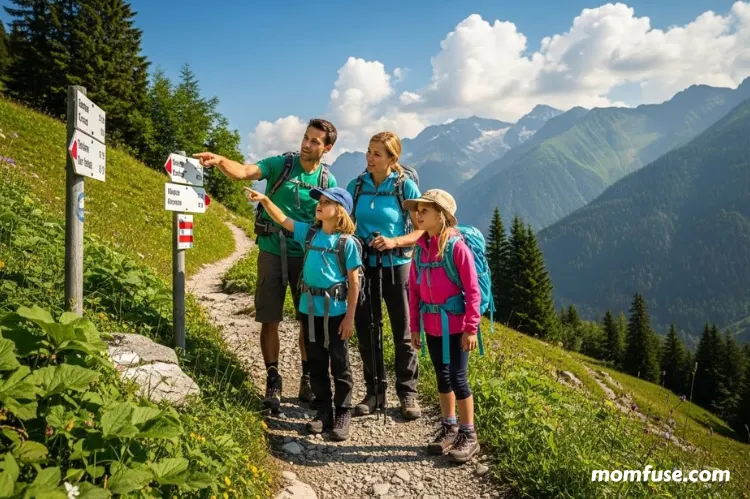
Basic safety knowledge empowers children. Learning to stay within sight, follow markers, and stop when unsure reduces risk and anxiety. Practicing these habits on easy outings builds confidence for longer trips.
Trail etiquette matters just as much. Explaining why paths should be respected teaches environmental awareness. Kids learn that staying on the trail protects people and fragile terrain.
Safety lessons stick better when interactive. Games with whistles, simple navigation tasks, or spotting trail signs keep learning active. Confidence grows when children feel capable rather than constantly corrected.
Emergency Preparedness and Communication
Preparation includes planning for unlikely situations. Sharing routes and timelines with someone at home creates a safety net. This habit reinforces responsibility and foresight without causing fear.
Communication tools provide reassurance. Phones, maps, or satellite devices help families respond calmly if plans shift. Teaching children simple signaling rules gives them clarity during stressful moments.
Calm explanations prevent worry. When kids understand that preparation exists to support them, not scare them, they approach the mountains with trust. This mindset supports resilience and steady decision-making.
Making It Fun and Meaningful
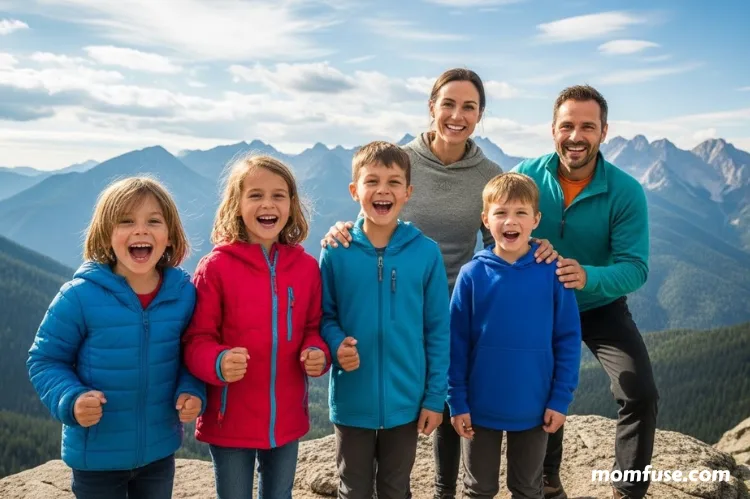
Preparation supports enjoyment by turning mountain trips into shared experiences rather than stressful outings. Giving children simple responsibilities, such as choosing rest spots or carrying a map, helps them feel involved and valued. Small roles create focus and excitement, making the journey feel purposeful instead of tiring.
Celebrating progress keeps spirits high. Reaching a viewpoint, finishing a longer stretch, or handling changing weather can all become moments worth acknowledging. Positive reinforcement builds confidence and encourages curiosity about future adventures in similar environments.
When kids associate preparation with fun, they develop respect for nature and personal limits. These early experiences shape lasting outdoor habits and create memories tied to teamwork, discovery, and time spent together.
By setting your sights on experiences and other adventurous goals, thoughtful preparation teaches kids resilience, respect for nature, and practical outdoor skills. It helps develop lifelong confidence and a love of the mountains, so your family’s next outdoor memory will be safe and unforgettable.
Read Next: Family Road Trip Tips to Make Every Journey Truly Memorable

Jessica Fuqua is a mom of two who writes about the messy, beautiful reality of raising kids. She believes parenting advice should feel like a conversation with a friend, not a lecture. When she’s not writing, she’s probably reheating the same cup of coffee for the third time.