
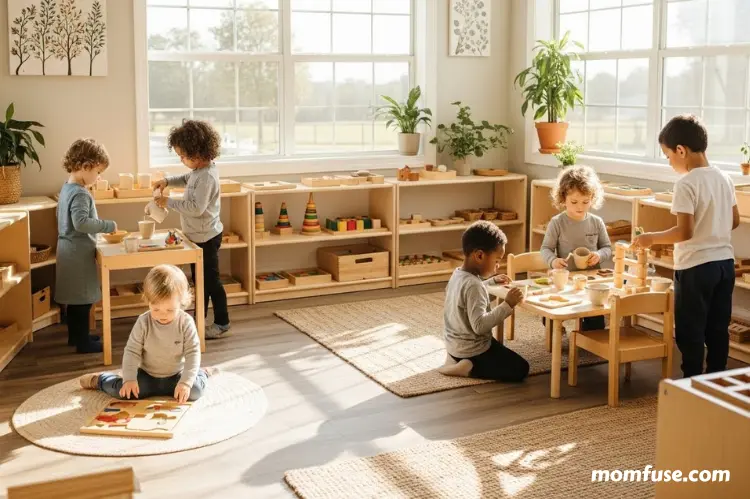

Selecting a Montessori wooden toy on the-montessori-shop.com that truly supports a child’s growth can seem challenging, especially with so many options available for every age group. However, Montessori-inspired toys offer unique advantages by encouraging independence promotion and authentic hands-on learning. For children between 1 and 6 years old, focusing on toys that spark curiosity and respect the developmental stage is essential. Here are some tips for choosing toys that inspire both growth and imagination.
Why Montessori principles matter in choosing wooden toys
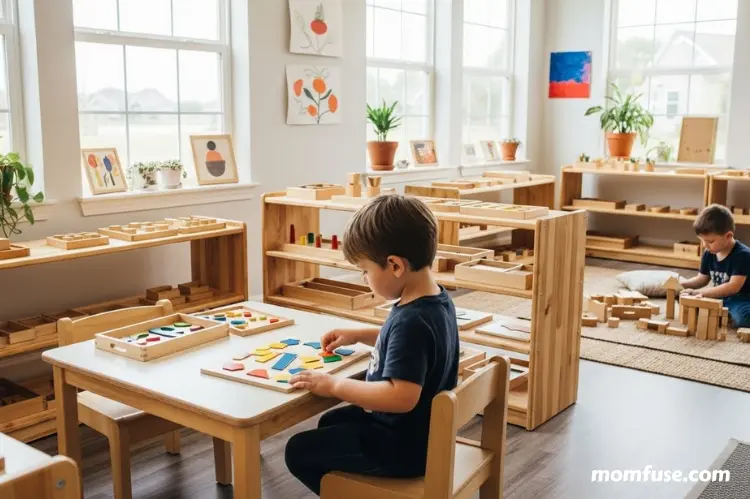
The Montessori approach values learning through active exploration and discovery. In this philosophy, toys become more than entertainment—they serve as tools for building practical skills, confidence, and autonomy. Wooden toys inspired by Montessori ideas encourage children to experiment and learn at their own pace, rather than imposing rigid play patterns or predetermined outcomes.
Material choice is just as important as educational philosophy. Natural materials like wood, metal, and fabric provide an authentic sensory experience, allowing children to discover textures and weights that support sensory development. Choosing these natural options creates a deeper connection to everyday life and fosters meaningful learning moments.
Main factors to consider before purchasing
Finding the perfect learning tool requires careful consideration of several elements. Not all wooden toys are suitable for every phase of childhood, so adapting selections ensures genuine engagement and progress.
Here are key points to keep in mind when shopping for Montessori toys:
- Age appropriateness
- Developmental stage
- Child’s interests and skills
- Type and quality of natural materials
- Motor skills development and cognitive growth
What role does age appropriateness play?

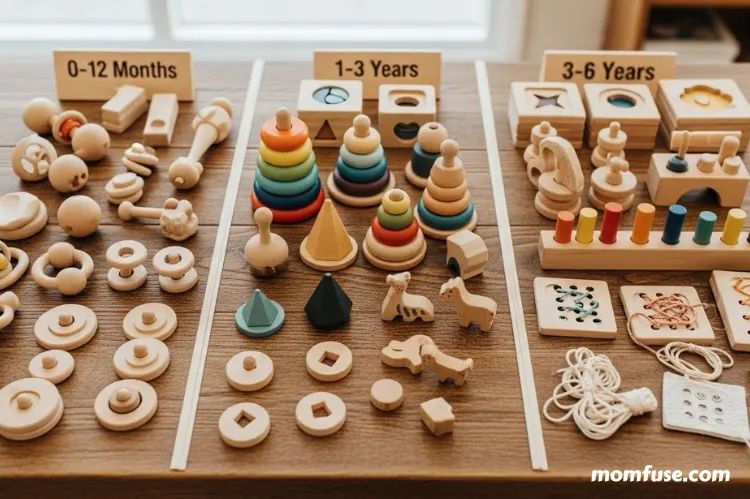
The first aspect to consider is matching each toy to the correct age group. As children grow, their coordination, understanding, and interests evolve rapidly. Toys designed for toddlers differ greatly from those intended for preschoolers or kindergartners.
For instance, polished wooden stacking rings appeal to one-year-olds discovering grip and release, while older children benefit from interlocking geometric shapes that stimulate logical thinking. Ensuring age appropriateness leads to safer play and allows children to master new skills without unnecessary frustration.
How do developmental stage and skills influence choice?
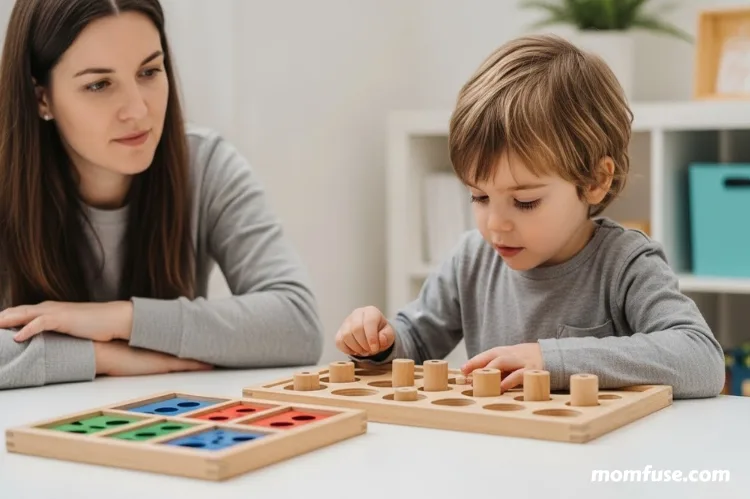
No two children develop at exactly the same pace, making observation crucial. Some may prefer fine-motor challenges such as sorting objects by size, while others gravitate toward open-ended construction projects that boost planning and spatial reasoning abilities.
Reflect on whether a child enjoys cause-and-effect activities, puzzle-solving, or imitating daily routines. Taking into account the true developmental stage—not just chronological age—ensures the selected wooden toys meet current needs and foster further growth.
Cognitive growth and problem-solving
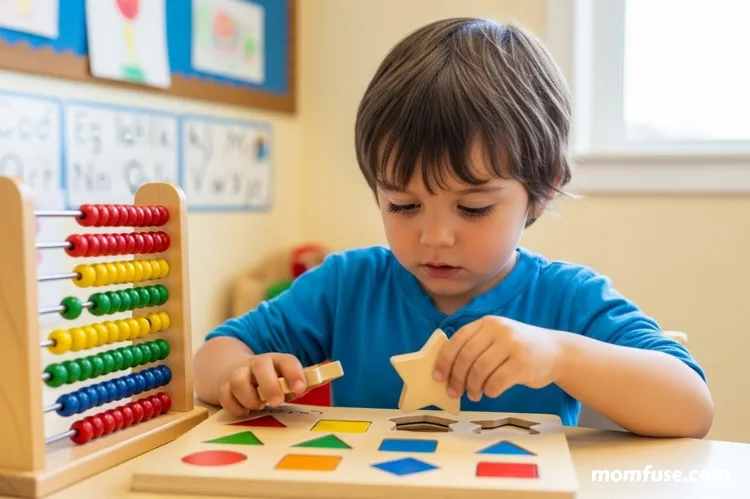
Puzzles, counting boards, and block sets are excellent for enhancing cognitive growth. A simple shape sorter, for example, encourages hypothesis testing, logical thinking, and patience, which are foundational skills for later academic success.
Older preschoolers often enjoy memory games or building kits that require step-by-step instructions, nurturing analytical abilities and perseverance during hands-on learning.
Motor skills development and coordination

Activities like manipulating beads on a wire track, using lacing cards, or threading blocks are ideal for strengthening fine motor skills development. These wooden toys allow repeated practice, directly improving hand-eye coordination.
For children who love movement, larger items such as balance boards or push carts promote gross motor skills and body control, always in harmony with Montessori independence promotion values.
Why are natural materials essential?
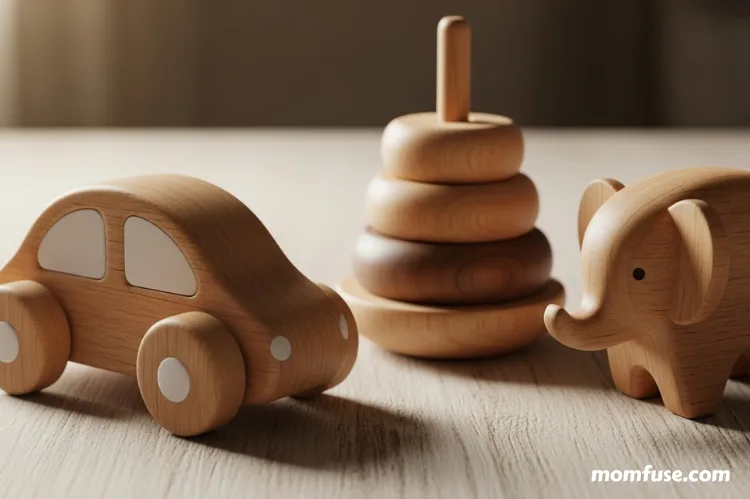
Central to Montessori philosophy is fostering a close relationship with nature and authenticity. Wooden toys crafted from responsible sources typically outlast plastic alternatives, resist breakage, and contribute to sustainability—all while adding warmth to the play space.
Natural materials like wood, uncoated metals, and real fabrics present children with varied weights and textures. Experiencing these differences is highly beneficial for sensory development and helps lay the foundation for lifelong appreciation of quality materials.
Matching wooden toys to a child’s interests and skills
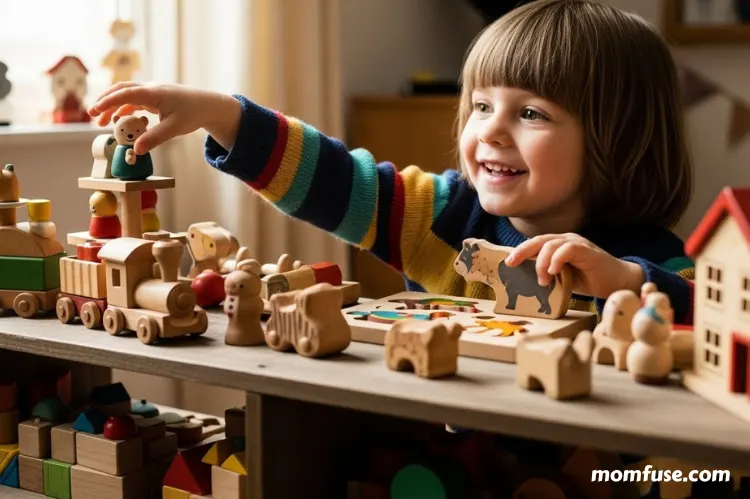
A toy that aligns with a child’s true interests quickly becomes a cherished companion. Careful observation reveals which activities capture lasting attention, helping guide decisions for meaningful gifts or rewards. Does the child prefer sorting, constructing, pretend cooking, or creative art-making?
Instead of filling playrooms with generic toys, opting for well-crafted wooden toys based on individual preferences encourages exploration and ownership. This approach honors both hands-on learning and the drive for independence promotion that defines Montessori education.
Safety guidelines and durability

Safety and durability are paramount, particularly for children under six. Choosing toys finished with non-toxic coatings and smooth edges keeps delicate skin and growing mouths safe. Durable woods reduce the risk of splinters or sharp pieces, even with frequent use.
High-quality craftsmanship ensures toys survive cleaning, sharing, and countless adventures without losing their charm or function. Always inspect the integrity of each piece and review manufacturers’ safety standards before making a final selection.
Involving the child in the selection process
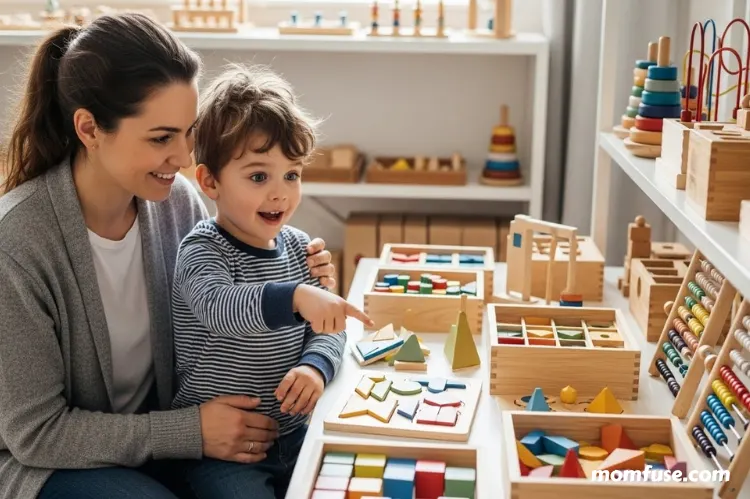
An essential part of Montessori values is empowering children to take part in decision-making. Allowing a child to help select new toys not only builds excitement but also reinforces autonomy and confidence in personal choices.
Exploring toy shops together or browsing pictures online offers opportunities for discussion about different options. Explaining reasons for preferring safe materials, simple designs, or versatile features introduces thoughtful buying habits early in life, deepening awareness through hands-on learning.
Ideas for recommended Montessori wooden toys by age group
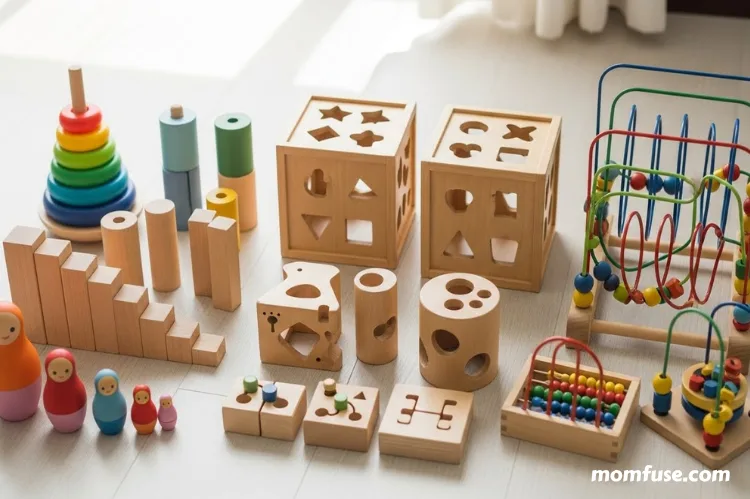
From infancy through kindergarten, each stage benefits from signature Montessori-inspired designs. Selecting toys according to age provides the right balance of challenge and familiarity, ensuring play remains engaging but never overwhelming.
- 1-2 years: Simple puzzles, chunky stacking blocks, push-and-pull carts, nesting cups
- 2-4 years: Shape sorters, screw-and-bolt sets, handcrafted animal figures, bead mazes
- 4-6 years: Large marble runs, threading and lacing kits, mini kitchen accessories, wooden tools or instruments
Regularly rotating wooden toys instead of presenting them all at once helps sustain interest and channels energy into fresh learning experiences.
Intentional choices rooted in a child’s interests, skills, and developmental stage ensure playtime nurtures creativity, resilience, and curiosity that will last far beyond the early years.
Read Next: Play With Your Child for Healthy Early Development

Jessica Fuqua is a mom of two who writes about the messy, beautiful reality of raising kids. She believes parenting advice should feel like a conversation with a friend, not a lecture. When she’s not writing, she’s probably reheating the same cup of coffee for the third time.