
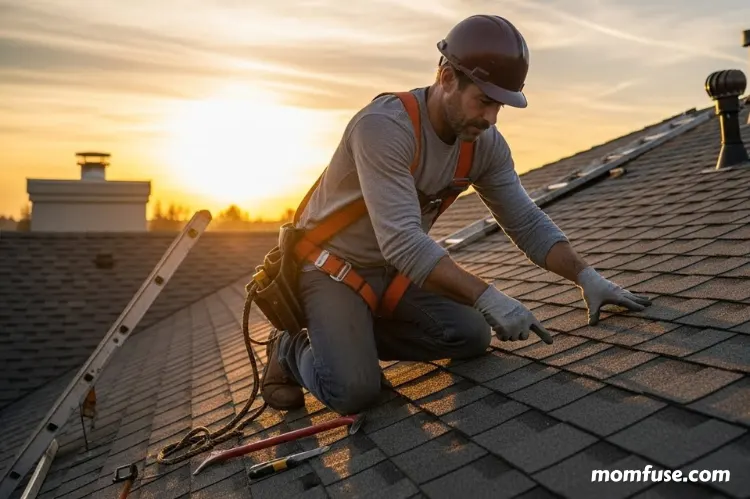

Modern roofing is not about keeping rain out. It is about managing heat, moisture, airflow, and storm impact in a way that protects the whole home.
Restoration has changed. Better diagnostics, stronger materials, and clearer documentation now make it easier to fix damage correctly, instead of guessing and patching.
Start With A Real Roof Assessment

A quality job begins with a thorough inspection, not a glance from the driveway. Pros look for soft spots, lifted edges, flashing failures, nail pops, and signs that water is traveling far from the visible stain.
Modern assessments often include attic checks for ventilation balance and moisture, plus close-up photos of penetrations like vents and chimneys. This is where small details can predict big failures.
The goal is to define the problem in plain terms: what is damaged, what caused it, and what must be replaced versus repaired. That clarity helps you avoid spending money on work that does not solve the root issue.
Understand Restoration Versus Replacement
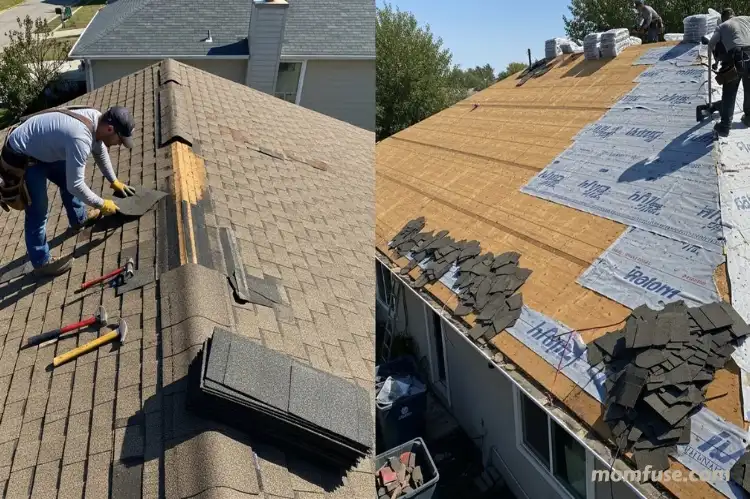
Restoration is a targeted approach that repairs storm or wear damage while preserving the parts of the l that are still performing well. Replacement is a full reset, typically needed when materials are at the end of their service life or when damage is widespread.
A practical way to decide is to combine age, condition, and leak history. If the roof has repeated issues around the same areas, that usually points to a system problem like flashing or ventilation, not a single bad shingle.
Documentation matters here. In the decision process, some homeowners review project notes and examples at https://summitroofingandrestoration.com/ to understand what a scoped restoration can look like. That context can help you compare bids and spot when a contractor is skipping key line items.
Choose Materials That Match Your Climate

There is no single best shingle or system for every roof. Sun exposure, wind direction, hail risk, salt air, and tree cover all change what performs well.
Focus on the full assembly. Underlayment, ice and water protection, flashing, and ventilation are what keep a roof stable when the weather turns.
When comparing options, look at performance signals you can verify:
- Class ratings for impact and wind resistance
- Manufacturer requirements for underlayment and starter courses
- Ventilation targets that match the attic size and roof design
- Warranty terms that depend on correct installation
Get Flashing And Water Control Right
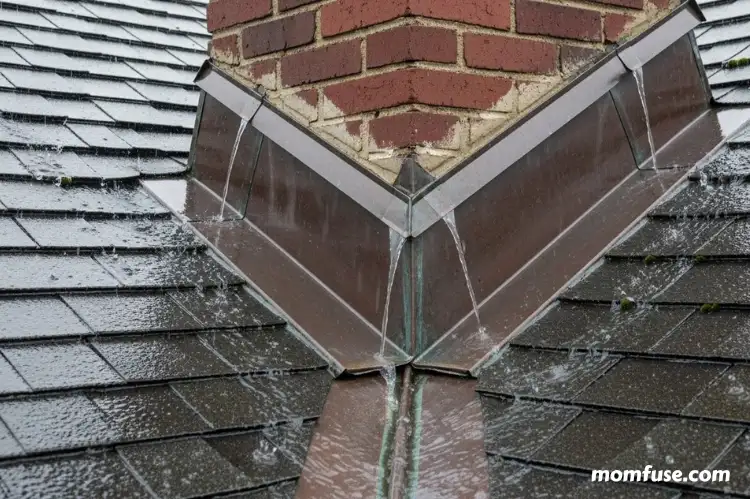
Most roof leaks are not caused by the field shingles. They show up at transitions: valleys, chimneys, skylights, sidewalls, and plumbing penetrations.
Flashing is basically the roof’s waterproof choreography. Each layer should overlap the next so water naturally sheds downhill, even when wind pushes rain sideways.
Water control includes the gutters and the drip edge. If runoff is not guided away from fascia and siding, you can end up with rot that looks like a roofing issue but is really a drainage issue.
Ventilation, Insulation, And Mold Prevention
A roof system fails faster when heat and moisture get trapped. Poor ventilation can bake shingles from below in summer and create condensation in winter when bathroom fans dump humid air into the attic.
Balanced intake and exhaust ventilation helps stabilize attic temperature and humidity. That protects decking, reduces ice problems, and can improve comfort upstairs.
One insurance trade publication reported that 29% of homes with asphalt shingles have less than 4 years of remaining useful roof life, which is a reminder that many roofs are closer to the edge than they appear. In practice, airflow and moisture control are among the simplest ways to slow that decline.
Quality Control During And After The Job

Good roofing is built on process. A crew should protect landscaping, stage materials safely, and keep the deck dry during tear-off and installation.
On installation day, the small checkpoints add up: straight courses, correct nailing patterns, clean valleys, sealed penetrations, and proper flashing integration. These are failure points.
Afterward, a final walkthrough should confirm cleanup, magnetic nail sweeps, and photo documentation of key areas. It is smart to know what maintenance looks like going forward, like keeping gutters clear and watching sealant points after major storms.
A modern roof is a system, and restoration works best when it treats the system. If you focus on inspection quality, climate-fit materials, water control, and ventilation, you usually get a roof that performs predictably.
The best outcome is boring in the right way: no surprises, no mystery leaks, and no repeated repairs in the same spot. That is what “quality roofing” looks like when you live with it year after year.
Read Next: Roof Replacement in Southern California: What to Know

Jessica Fuqua is a mom of two who writes about the messy, beautiful reality of raising kids. She believes parenting advice should feel like a conversation with a friend, not a lecture. When she’s not writing, she’s probably reheating the same cup of coffee for the third time.