


Every parent watches in amazement as their children transform from helpless infants into unique individuals with distinct personalities, preferences, and abilities.
These developmental leaps happen so quickly that memories blur together without intentional preservation. Meaningful documentation creates lasting records that families treasure for generations.
The challenge lies not in capturing moments but in doing so thoughtfully. Random accumulation of photographs and videos creates overwhelming archives that no one reviews.
Strategic documentation that tells coherent stories serves families far better than exhaustive but disorganized collections.
Choosing Your Documentation Tools
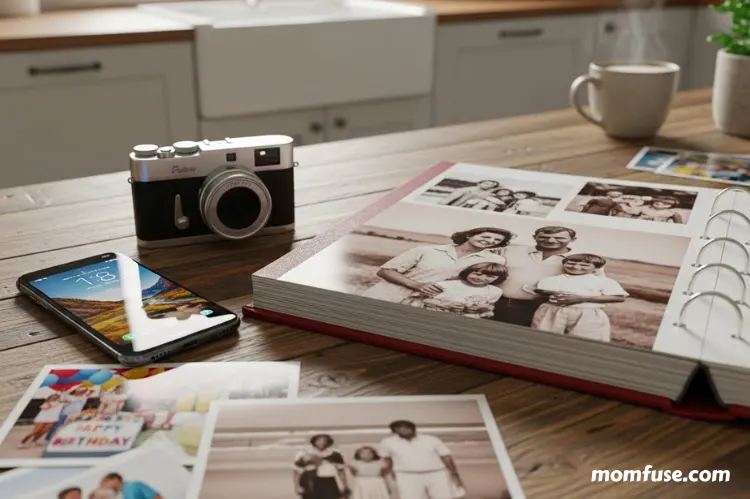
The best camera is the one you have with you when moments occur. Parents who reserve documentation for special equipment often miss spontaneous milestones that happen without warning. Accessibility trumps image quality for capturing genuine developmental moments.
Smartphones serve as primary documentation tools for most modern parents, combining convenience with increasingly impressive capabilities.
However, keeping a compact camera in diaper bags or on kitchen counters provides backup when phone batteries die or storage fills. Having multiple capture options ensures readiness for unexpected moments.
Identifying Meaningful Milestones
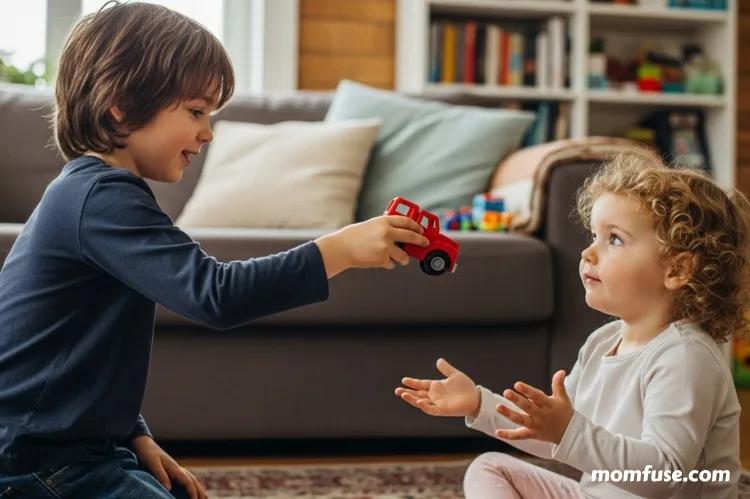
Traditional milestones cover obvious developmental markers that most parents naturally document. First steps, first words, and birthday celebrations receive abundant attention without reminders.
The risk lies in over-focusing on these standards while missing personally significant moments.
Every child’s developmental journey includes unique achievements that milestone lists cannot anticipate. The first time a child shares a toy, shows kindness to a struggling peer, or demonstrates emerging interests reveals character as meaningfully as walking or talking.
Training yourself to recognize these moments expands documentation beyond generic markers.
Creating Context for Future Viewers

Images and videos without context become confusing artifacts for future viewers, including the documented children themselves as adults. Names, ages, dates, locations, and circumstances transform random captures into meaningful records.
Develop consistent habits for adding context while memories remain fresh. Voice notes recorded immediately after capturing moments preserve details that fade within days.
Photo apps with note features simplify keeping documentation and explanation together. Whatever system you choose, consistency matters more than perfection.
Environmental details enrich documentation with period-specific context. The toys scattered in backgrounds, the clothing styles, the home decor visible behind subjects all communicate era more effectively than dates alone. Future viewers appreciate these unintentional time capsules.
Balancing Documentation and Presence
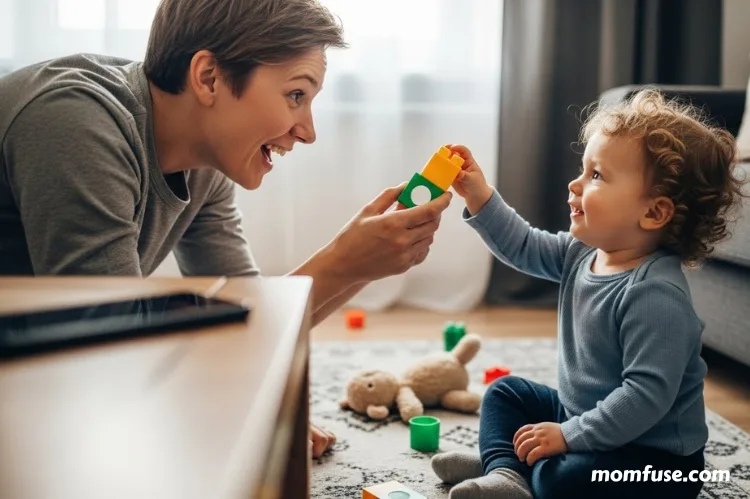
The camera can become a barrier between parents and experiences when documentation dominates attention. Children notice when parents watch events through screens rather than with direct engagement. Finding balance requires conscious intention.
Designate some experiences as documentation priorities and others as pure presence. Major performances, rare achievements, and family gatherings warrant thorough capture. Daily play, routine activities, and intimate moments may deserve full attention without camera mediation.
Involve children appropriately in documentation decisions as they mature. Preschoolers often enjoy posing for cameras, while older children may resent constant recording. Respecting emerging privacy preferences teaches children that their comfort matters while maintaining documentation habits.
Organizing and Preserving Archives
Documentation without organization creates overwhelming backlogs that families never review. Establishing sustainable organization systems from the beginning prevents insurmountable accumulation. The time invested in organization returns dividends when searching for specific moments years later.
Consistent file naming and folder structures enable future retrieval without relying on memory. Systems organized by date, by child, or by milestone type each have advantages. Choose an approach matching your natural tendencies to ensure consistent application.
Multiple backup locations protect against the devastating loss of irreplaceable documentation. Cloud storage, external drives, and printed copies each provide protection against different failure modes.
The effort of maintaining multiple backups pales against the pain of losing years of family memories.
Sharing and Revisiting Together

Documentation gains meaning through sharing and revisiting rather than mere preservation. Regular family viewing sessions transform archives from storage problems into bonding opportunities. Children delight in seeing their younger selves and hearing stories of events they cannot remember.
Selective sharing with extended family and friends multiplies documentation value. Grandparents especially treasure updates that maintain connection across distances. Choosing meaningful moments rather than overwhelming recipients with volume increases engagement with shared content.
Documenting the Journey
The goal of milestone documentation extends beyond preserving images to capturing the story of a childhood. When done thoughtfully, these records communicate not just what children looked like but who they were at each stage.
The curiosity, joy, struggle, and triumph visible in well-documented archives tell stories that written histories cannot match. Your children will someday share these records with their own children, extending the chain of family memory into futures none of us will see.
Read Next: Milestone Video Tips for Creating Family Memories Easily

Jessica Fuqua is a mom of two who writes about the messy, beautiful reality of raising kids. She believes parenting advice should feel like a conversation with a friend, not a lecture. When she’s not writing, she’s probably reheating the same cup of coffee for the third time.