


Childhood is a season of rapid discovery, and sports give that discovery structure and purpose. When kids learn to move with intention, they also learn how to focus, solve problems, and share space with others. Practices create a rhythm that supports sleep, mood, and attention in the classroom. Over weeks and months, the court, pool, or field becomes a place where effort turns into confidence and friendships feel easier to build.
Physical Health Fuels Growing Minds
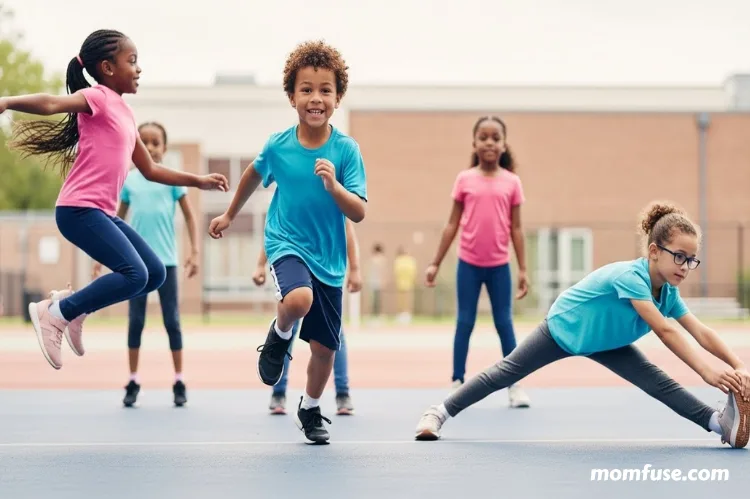
Active play strengthens the heart, muscles, and bones, which supports healthy growth and stable energy across the school day. Coaches teach dynamic warmups, safe movement patterns, and recovery habits that make bodies more resilient to strain. As kids notice they can run longer or jump higher, they begin to trust their bodies, and that trust often lowers anxiety about gym class or recess.
Social Skills And Confidence That Last
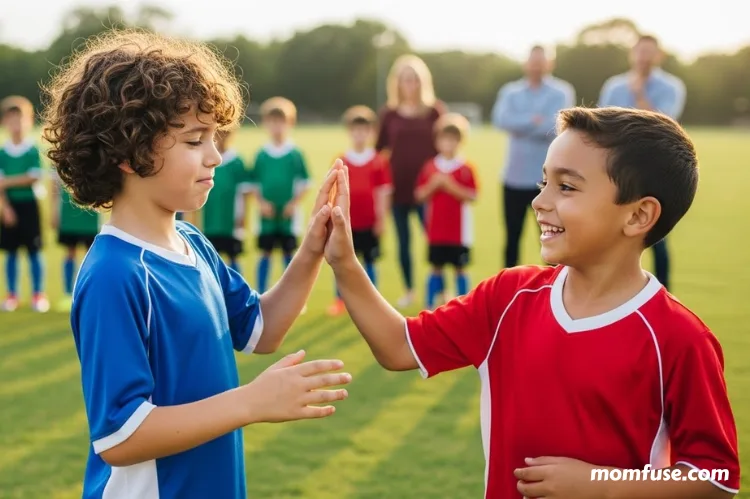
Sports offer a clear script for cooperation. Kids learn to listen, make eye contact, and respond to quick instructions while keeping teammates in mind. After a missed shot or a dropped pass, a brief reset and an encouraging word model how to repair small mistakes without shame. With every practice, children collect proof that attention and effort lead to progress, and that progress becomes the seed of healthy self-esteem.
Water Skills And Safety For Life

Water sports add a crucial layer of safety to childhood. If you are exploring swim instruction, you can go to britishswimschool.com and similar websites to compare age groups, lesson formats, and goals that match your child’s comfort level in the water. Lessons focus on breath control, floating, and safe entries so kids build calm and competence around pools, lakes, and beaches. The pool also offers a sensory-friendly environment where gentle resistance and rhythmic breathing relax the nervous system while skills grow.
Focus, Discipline, And Classroom Carryover
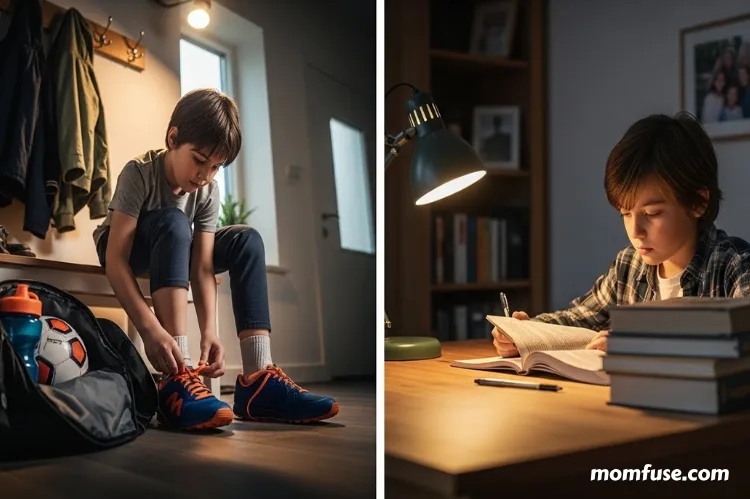
Practice schedules teach kids to prepare, arrive, and follow a plan. They stretch, lace shoes, fill water bottles, and check gear without being told, and those small acts of readiness spill into homework and chores. Sports also sharpen attention by asking the brain to track positions, timing, and rules in real time. The result is a kind of moving meditation where kids practice holding focus under mild stress, a skill that supports reading, math, and test-taking.
Emotional Regulation And Resilience
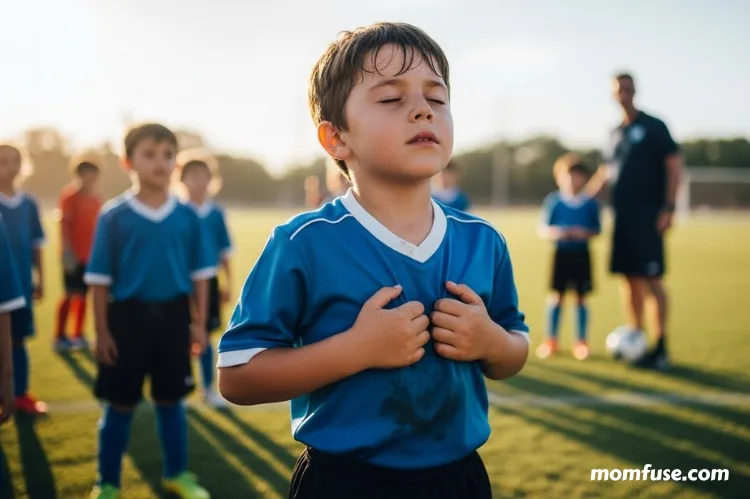
Competition gives children a safe place to feel big emotions and learn what to do with them. A close game raises heart rate and sparks adrenaline, yet the structure of play asks for measured choices rather than rushes to judgment. Coaches teach a slow breath before a free throw or a serve, and that tiny pause becomes a template for calming down during conflicts at home or school. Over a season, kids see that setbacks are temporary and that consistent practice leads to better outcomes.
Family Connection And Healthy Routines
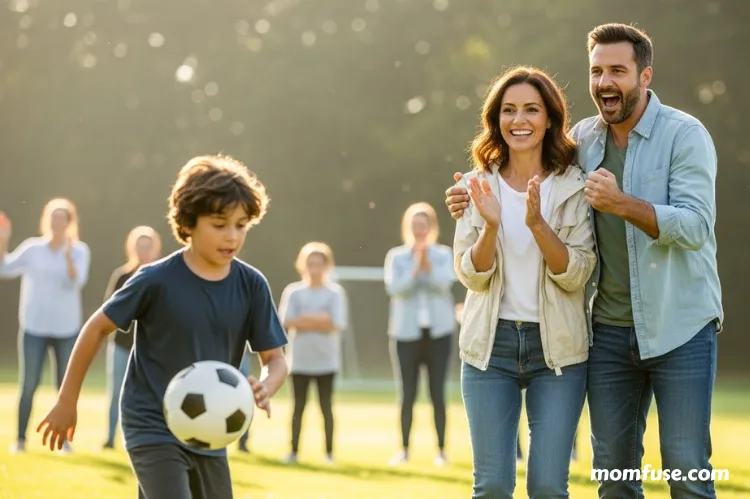
Sports can draw families into shared routines that strengthen connection. Rides to practice become short windows for conversation, and weekend games bring relatives together for a single purpose. Parents see their children navigate teamwork and courage, and kids see adults cheer effort as much as results. These moments build a language of support that carries into other areas of life, including music, science fairs, or theater.
Inclusion And Personal Growth
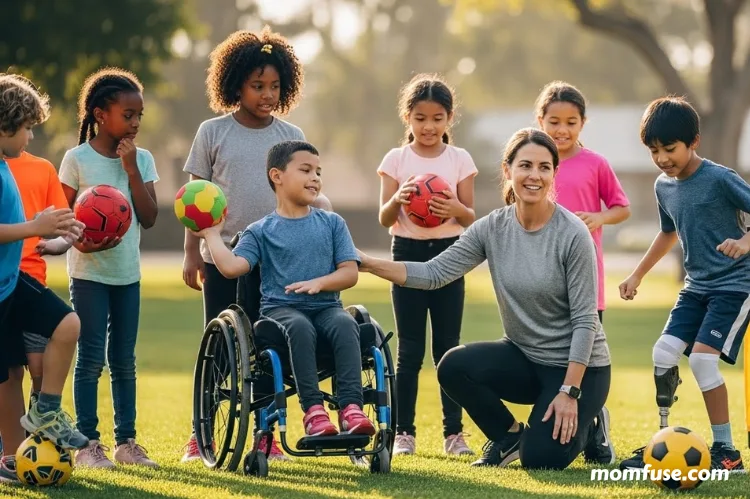
A well-run program meets kids where they are and invites progress at a sustainable pace. Coaches who value inclusion adapt drills and celebrate small wins so new players see their place on the team. Children who are shy find a role through steady participation, while those brimming with energy learn how to channel it with respect for boundaries and rules. The team becomes a miniature community where each player learns how to contribute and how to ask for help.
Healthy Identity And Positive Choices
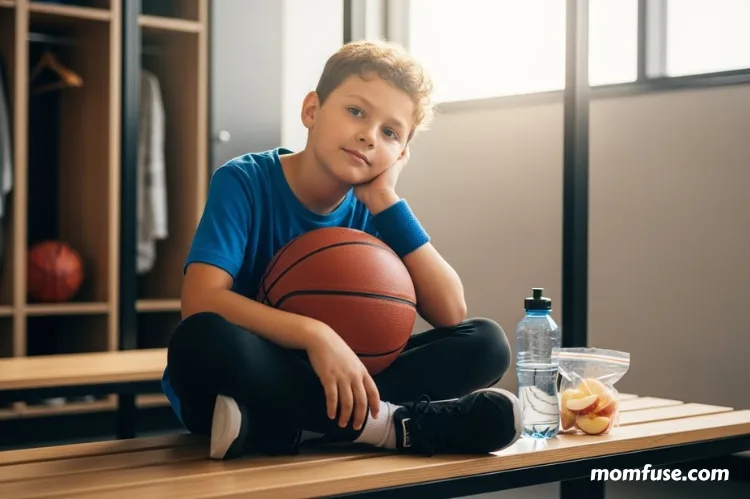
As kids collect seasons of practice and play, sport can become part of their identity. They start to think of themselves as swimmers, defenders, or midfielders, and that label nudges choices toward sleep, hydration, and balanced meals. Identity also shapes friendships, placing kids near peers who value persistence, fair play, and kindness. These influences quietly guide decisions that keep bodies safe and minds clear through adolescence.
Sports give children a grounded way to grow strong bodies and flexible minds. Through regular practice, kids learn how to focus, cooperate, and manage emotions, and those lessons carry into classrooms and friendships. Water instruction adds safety that can protect a life while building calm confidence around pools and shorelines.
When families and coaches create welcoming spaces, children discover that effort matters, setbacks teach, and every season offers another chance to improve. With that foundation, sport becomes more than a pastime; it becomes a reliable tool for well-being that kids can carry into the next stage of life.
Read Next: The Awesome Guide on Why Ingredient Sourcing Matters for Little Ones

Jessica Fuqua is a mom of two who writes about the messy, beautiful reality of raising kids. She believes parenting advice should feel like a conversation with a friend, not a lecture. When she’s not writing, she’s probably reheating the same cup of coffee for the third time.