


Parents play an important role in educating children about the importance of privacy. Many kids don’t have a clear understanding of what privacy means (and why it even matters), especially in online spaces where information is shared so easily.
As a result, children may struggle to recognize when privacy becomes important and what steps they can take to protect their personal information.
Start With Simple Conversations

Privacy doesn’t have to be a scary or complicated topic. You can begin by talking to your kids about what personal information is. Explain that things like their full name, school name, address, and photos aren’t meant to be shared with everyone.
These conversations work best when they’re ongoing and age-appropriate. With younger kids, it can be as simple as saying, “Let’s ask mom or dad before posting or sharing.” With older kids, you can discuss how information can spread quickly once it’s online.
Be Picky About Apps and Games
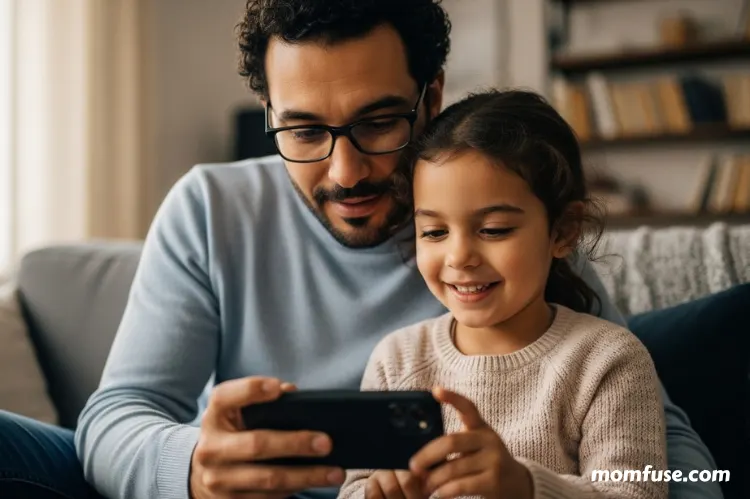
Tons of applications and games will request permission to access a user’s personal information. Although reading through every full privacy policy may not be practical, it’s best to understand what requests are made and deny or disable any that seem excessive.
It’s always a good idea to check whether an app is reputable. If it asks for more information than necessary, it may not be a safe or a secure option to use.
Use Privacy Settings and Parental Controls

Most devices and apps have privacy settings that are often turned off by default. You may want to review these settings and adjust them in order to reduce the amount of personal information that’s available about yourself, your children, or other users of that device and those services.
Parental controls are meant to set healthy boundaries, not to invade a child’s privacy. When used thoughtfully, they can support age-appropriate learning and help kids explore the internet in a safer, more balanced way.
Be Mindful of Public Wi-Fi

Public Wi-Fi is convenient, but it isn’t always secure, especially when many people are using the same network.
Parents can encourage kids to ask questions and look up things they don’t understand online, whether that’s why internet connections behave the way they do, things like “check my IP address”, or what a VPN is.
Helping children and teens feel comfortable searching for answers builds awareness and makes them more mindful of where and how they connect to the internet. Saving logins and personal tasks for a home network can lower unnecessary risks.
Lead By Example
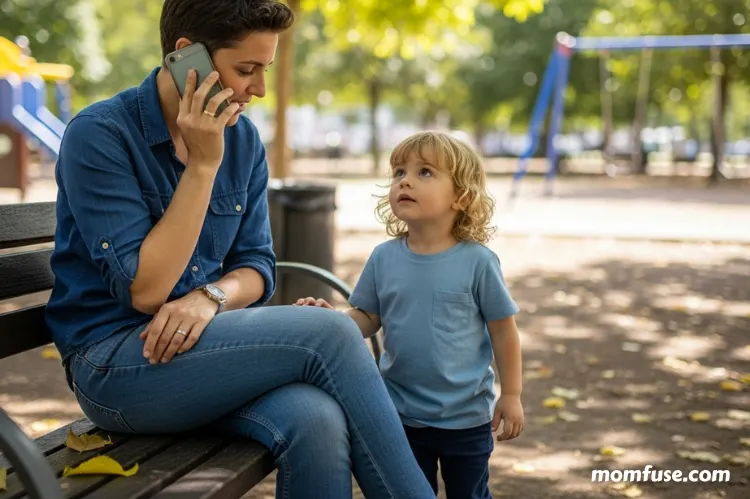
Kids often learn more from what their parents do than from what they’re told. If parents are excessively open online, children are far more likely to do the same.
Assess your own online behaviors. Do you upload images with location tags attached? Do you share frequent updates about your daily life? As parents demonstrate to their children that online protectiveness isn’t forced but rather a natural extension of their own behavior, they will also adopt this practice.
It’s also acceptable to vocalize your online posting behaviors. For example, by saying something like, “I didn’t include this in my post because it had too much personal identification,” parents will teach their children how to develop thoughtfulness when engaging in online activities like social media.
Keep Your Devices Updated
Software updates often seem like a chore, but they’re essential. These updates usually resolve many security-related issues that could leave an individual vulnerable to potential exposure of personal information.
Setting devices to automatically receive software updates takes one more thing off your to-do list. This should include phones and tablets as well as laptops and smart devices that your children use at home.
Use Extra Protection When It Makes Sense

Some families take extra steps to protect their internet connection, especially when kids are using devices on public Wi-Fi or while traveling. This doesn’t have to mean complicated rules or lots of tools; just being a bit more cautious when sharing a network with strangers is sufficient.
What matters most is choosing options that fit naturally into your family’s routine. What works for one household may not work for another, and that’s okay. Even small changes can help families feel more confident when kids use the internet outside the home.
Continue the Conversation
It’s essential to note that teaching kids about protecting themselves online isn’t a one-shot deal; it should continue throughout their growing years as they grow into new digital environments via new apps, devices, and social media.
Also, checking in on your kids regularly creates an environment where they feel comfortable asking you questions or bringing up things when they don’t seem right to them. Creating an atmosphere of mutual trust will go a long way in protecting your child while online.
Read Next: Homeschooling Resources to Boost Kids’ Learning

Jessica Fuqua is a mom of two who writes about the messy, beautiful reality of raising kids. She believes parenting advice should feel like a conversation with a friend, not a lecture. When she’s not writing, she’s probably reheating the same cup of coffee for the third time.