


Tiny bodies have big needs. What goes into baby bowls shapes growth, gut health, and lifelong tastes. Thoughtful sourcing keeps meals safe, simple, and full of the good stuff.
Why Ingredient Sourcing Matters
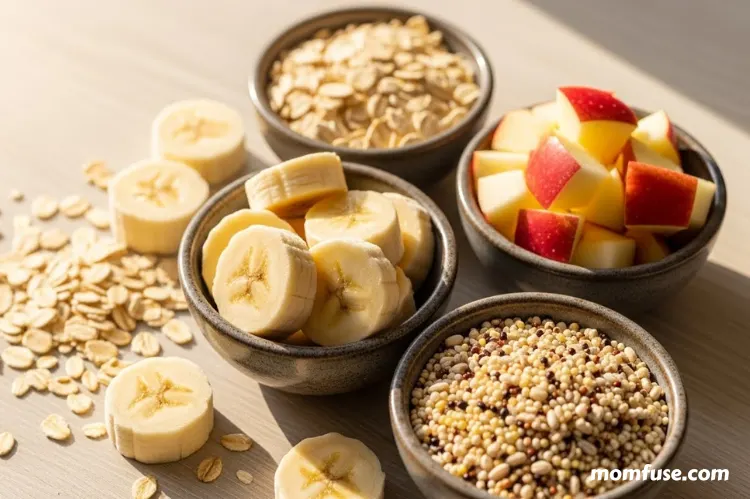
Ingredients carry a story from farm to spoon. Soil, water, handling, and transport all influence purity and nutrition. When you know the path, you can pick brands that match your standards.
Sourcing protects against hidden risks. Clear origin info and batsch tracking make it easier to respond if a concern pops up. Families get confidence since the details are not a mystery.
Safety Standards Parents Should Know
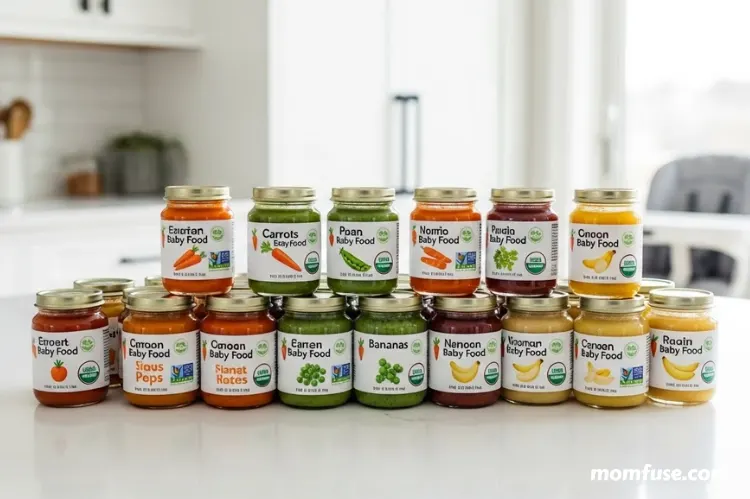
In 2025, the national food agency finalized action levels for lead in foods for babies and young children, giving companies clear targets and timelines. When you compare labels or ask questions at the store, baby food experts from Formuland Canada say that sourcing transparency helps you choose safer options. If a brand can explain where ingredients come from and how they are tested, that is a strong sign.
Do not panic if you see headlines about contaminants. Look for brands that share test methods, certificates, and corrective steps. Safety is a system, not a slogan.
Trustworthy Supply Chains And Traceability
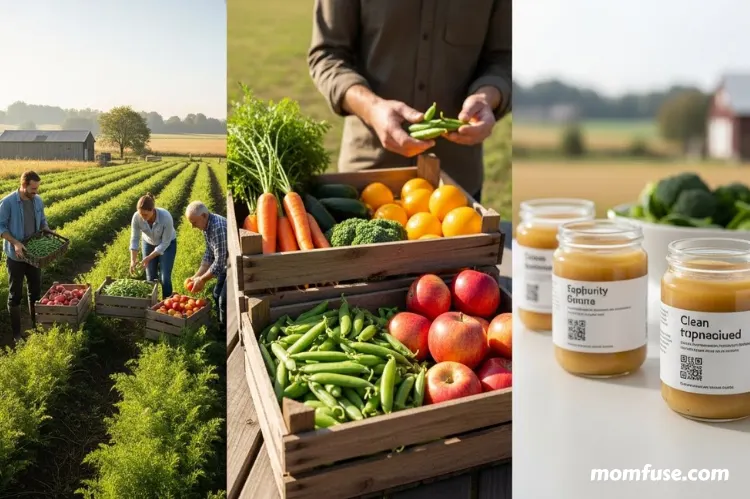
Organic labels are only as strong as the chain behind them. Recent updates to federal organic rules focused on tighter control systems, farm-to-market traceability, and stronger enforcement. That shift helps honest suppliers stand out and makes it harder for weak links to slip through.
Ask how a company verifies its sources. Lot codes, supplier audits, and documentation show the work behind the label. When a brand can follow an ingredient back to the field, quality is not just a promise.
Nutrition Quality Starts At The Source

Good sourcing does more than limit risks. It supports better micronutrient profiles, fresher flavors, and fewer additives. Crops grown in the right conditions often need less processing to taste great.
Look for short ingredient lists that you recognize. Whole fruits, vegetables, grains, and quality fats should lead. If a product leans on sweeteners or flavor boosters, the sourcing may not be doing enough.
Smart Shopping For Busy Caregivers
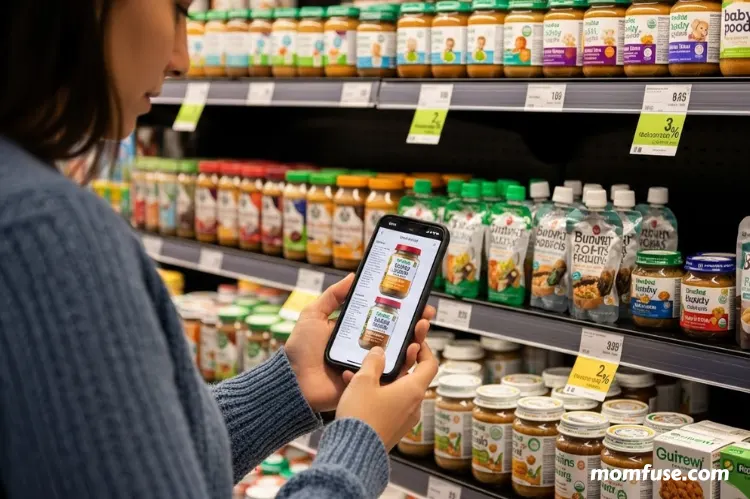
Time is tight, so keep choices simple. Use this quick list at the shelf or online:
- Check for clear country of origin and supplier details
- Scan for batch codes and posted test results
- Prefer short ingredient lists with whole foods first
- Compare organic claims with credible certifications
- Save a photo of labels you trust for easy reorders
Rotate options across colors and textures. Variety spreads nutrients and keeps little palates curious. A steady mix matters more than chasing perfection.
How To Talk With Brands And Care Teams

You deserve straight answers. Ask companies how they test for heavy metals, microbes, and allergens. Request a plain summary of results, not just marketing lines.
Share your child’s needs with your pediatrician or dietitian. Bring labels or screenshots so the advice is specific. If a question stumps the brand or the clinic, follow up until the plan feels clear.
Prepare questions in advance to make conversations efficient and focused. Take notes during calls or visits so you can reference details later.
Ask for clarification on anything that feels vague or technical. Keep a running record of communications to track advice and recommendations. Clear, documented conversations help guarantee your child’s safety and reduce uncertainty.
Home Prep Tips That Support Good Sourcing
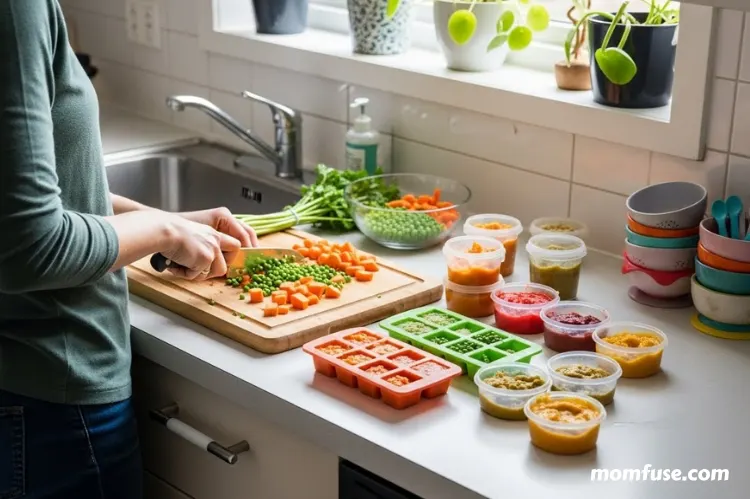
Even great ingredients need gentle handling. Rinse produce, use clean cutting boards, and store portions in small containers to cool quickly. Simple steps keep flavor up and waste down.
Freeze extra in ice cube trays for easy mixing later. Label dates so you use the oldest first. A small system saves money and stress on busy nights.
Reading Labels Without Overthinking
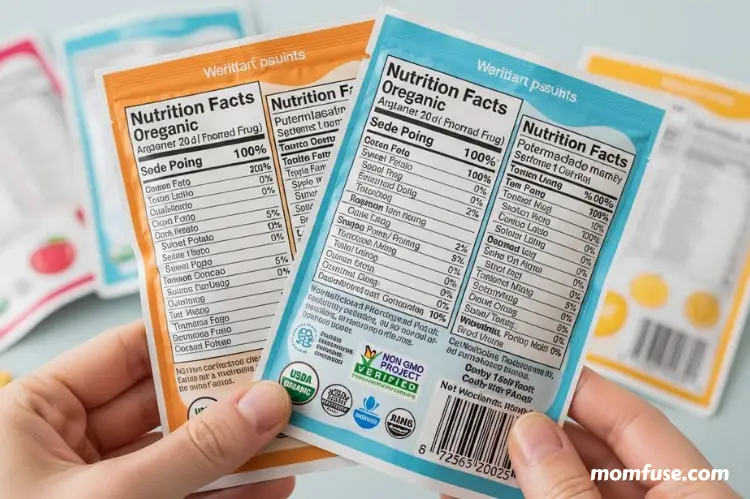
Labels can feel dense, but a few cues go far. Lead with origin, certifications, and test transparency. Then scan sugar, sodium, and unnecessary fillers.
If two products seem equal, pick the one that explains its sourcing better. Clear stories signal solid systems. You will build a shortlist you can trust.
Balancing Budget And Quality
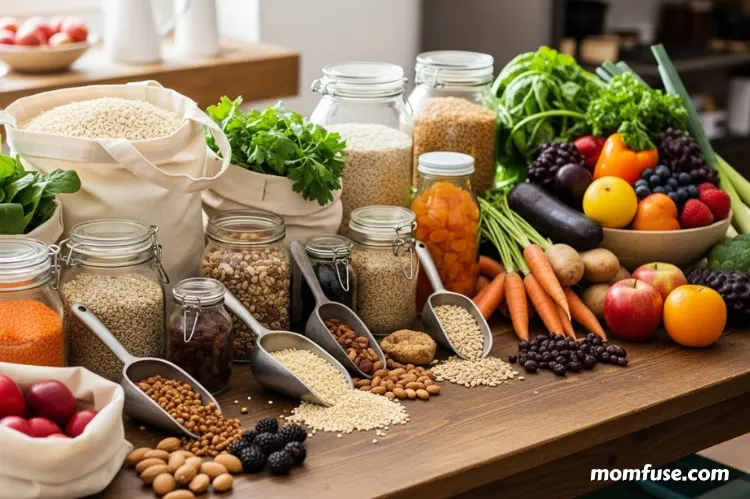
Quality does not have to break the bank. Buy staple items in bulk when they go on sale and portion them for later. Pair premium items with simple sides to keep costs steady.
Local and seasonal often mean fresher and cheaper. Farmers’ markets and community shares can provide traceable produce at fair prices. A little planning turns sourcing into savings.
A careful approach to sourcing pays off in safety, taste, and confidence. Start with clear labels, credible testing, and traceable chains. Keep the routine light, stay curious, and build a small set of brands you trust for your little one’s growing needs.
Read Next: Parenting Legal Support During Stressful Family Challenges

Jessica Fuqua is a mom of two who writes about the messy, beautiful reality of raising kids. She believes parenting advice should feel like a conversation with a friend, not a lecture. When she’s not writing, she’s probably reheating the same cup of coffee for the third time.