

Healthcare organizations face constant staffing pressures. But not all organizations approach hiring the same way: some focus on building long-term talent pipelines, while others spend most of their time filling immediate openings as they appear.
The difference may come down to strategy. Organizations that invest in talent pipelines prepare for future workforce needs; those that chase vacancies tend to react when staffing shortages disrupt operations.
Talent pipelines create a steady flow of candidates
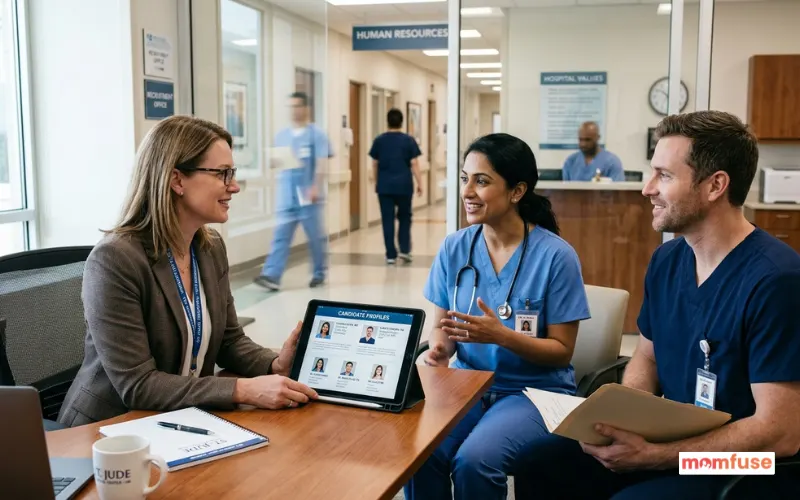
A talent pipeline is a pool of qualified professionals who may be interested in future opportunities. Healthcare organizations build these pipelines through ongoing recruitment, networking, internship programs, residency partnerships, and relationships with educational institutions.
Instead of waiting for a position to open, recruiters stay connected with potential candidates year-round. This allows organizations to move quickly when vacancies occur. Hiring managers already know who might be a good fit, reducing the time needed to find and evaluate applicants.
Talent pipelines also improve the candidate experience. Prospective employees become familiar with the organization before applying, which can increase engagement and interest when opportunities arise.
Reactive hiring often leads to staffing challenges
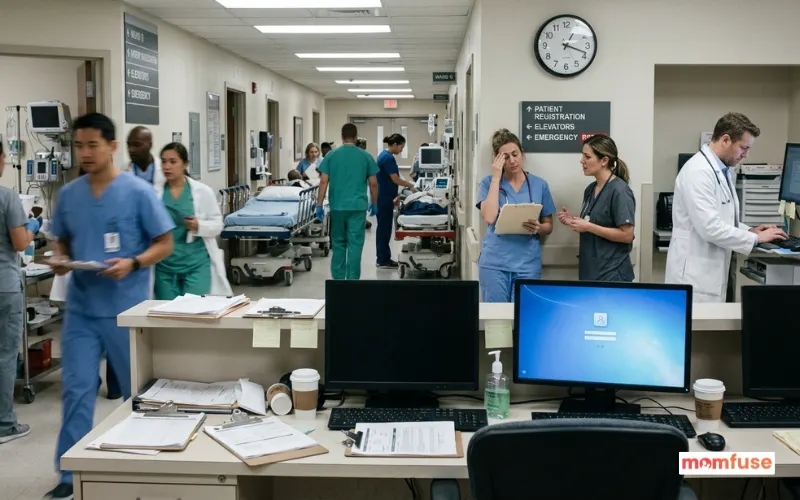
Organizations that focus primarily on filling vacancies tend to begin recruiting only after a position becomes available. This approach can create urgency, especially when critical roles remain unfilled.
In healthcare, staffing gaps can affect patient care, employee workloads, and operational efficiency. Recruiters may feel pressure to hire quickly, which can limit the time available to assess candidates thoroughly.
Reactive hiring can also increase recruitment costs. Emergency staffing solutions, extensive advertising, and repeated hiring cycles often require additional resources. Over time, these costs can add up significantly.
Workforce planning drives long-term success
Healthcare organizations that build talent pipelines usually have a broader workforce strategy. They analyze retirement trends, turnover rates, population growth, and service expansion plans to estimate future staffing needs.
By identifying potential shortages early, leaders can take proactive steps to attract talent. They may expand recruitment efforts in specific specialties, strengthen partnerships with training programs, or develop internal career pathways.
Many organizations also find support from experienced healthcare recruitment partners like MASC Medical to help identify qualified professionals and maintain a consistent candidate pipeline.
Workforce planning creates greater stability because hiring decisions are tied to long-term organizational goals rather than immediate staffing pressures.
Employer branding supports pipeline development

Organizations with strong talent pipelines often invest in employer branding. They communicate their culture, values, career growth opportunities, and workplace environment to prospective candidates.
Healthcare professionals frequently evaluate more than salary when considering a new position. Leadership support, professional development, scheduling flexibility, and workplace culture can all influence their decisions.
A strong employer brand helps organizations stay visible even when no immediate openings exist. As a result, candidates may be more likely to apply when opportunities become available.
Leadership commitment makes the difference
Building a talent pipeline requires ongoing investment. Recruiters, department leaders, and executives must support long-term hiring efforts even when staffing levels appear stable.
Some organizations struggle with this commitment because the benefits are not always immediate. Pipeline development takes time, and results may not be visible for months or even years. Reactive hiring often feels more urgent because it addresses an immediate need.
Organizations that maintain a long-term perspective are generally better positioned to manage workforce changes. They can respond to turnover, growth, and ever-changing healthcare demands.
Read Next: Hybrid Nursing Programs For Moms Seeking Balance

Jessica Fuqua is a mom of two who writes about the messy, beautiful reality of raising kids. She believes parenting advice should feel like a conversation with a friend, not a lecture. When she’s not writing, she’s probably reheating the same cup of coffee for the third time.