


Parenthood comes with countless teachable moments, and food safety is one of the most important. Children are naturally curious, eager to explore, and often unaware of potential risks—especially in the kitchen. Teaching them how to handle food safely is essential, but it doesn’t need to be framed in a way that causes anxiety. With the right approach, food safety can be introduced as a normal, empowering part of everyday life rather than something to fear.
Use Online Resources

Online resources can be helpful tools for explaining food safety in a calm, factual way. For example, the Taylor Farms recall page outlines how and why certain products are occasionally removed from shelves as a precaution. Referencing information like this can help children understand that food safety systems exist to protect people and that recalls are part of a larger process designed to prevent problems—not something to panic about. Keeping the focus on how issues are identified and addressed reinforces reassurance rather than fear.
Cover With the Basics
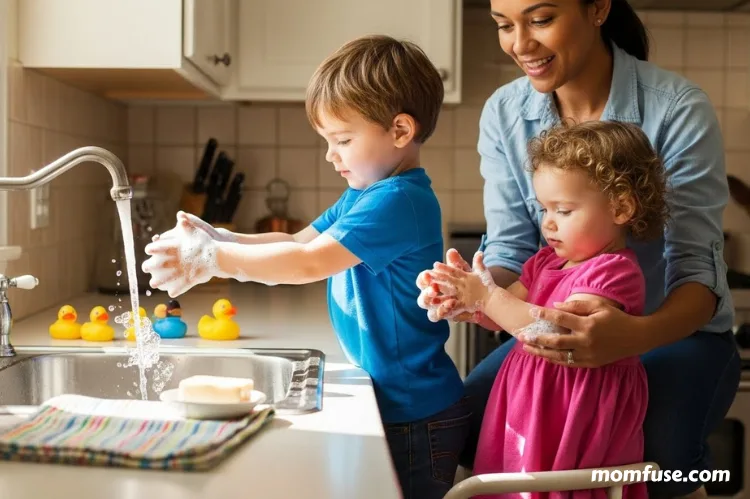
Start with simple, repeatable habits like washing hands before eating. Turn handwashing into a fun routine with songs, timers, or playful explanations. Describing germs as “tiny troublemakers” that soap and water wash away can help kids understand the concept without fear. Making them feel like they’re helping protect themselves gives them a sense of control.
Turn the Kitchen Into a Classroom
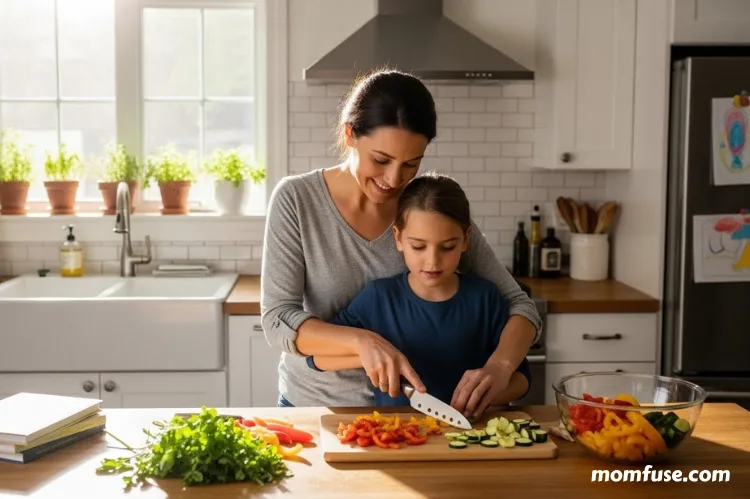
Cooking together is a natural way to introduce food safety rules. While preparing meals, explain why certain practices matter—like keeping hands away from sharp tools, staying clear of hot surfaces, or rinsing fruits and vegetables before eating. Use simple language and hands-on demonstrations to make the lessons feel approachable and engaging.
Use Visual Learning Tools
Children often learn best through visuals. Picture books, illustrated charts, or even simple drawings made at home can help reinforce food safety concepts. Showing examples of clean versus dirty surfaces or safe versus unsafe food handling makes abstract ideas easier to understand and remember.
Learn Through Play
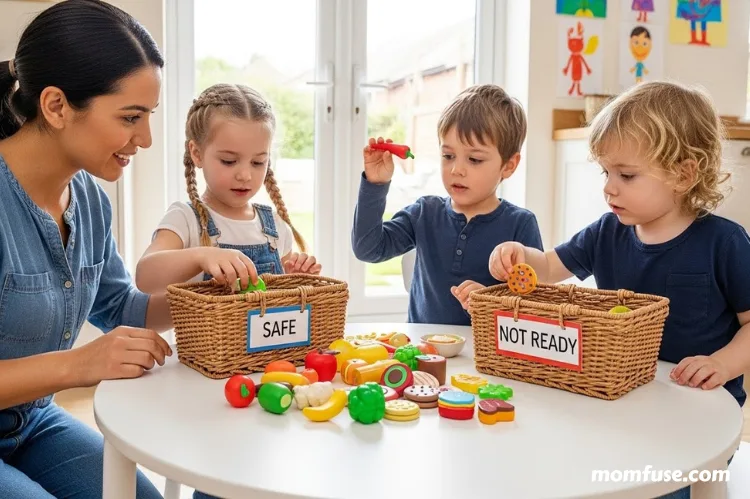
Games are a powerful teaching tool. Activities like sorting foods into “safe” and “not ready yet” categories or role-playing kitchen scenarios help kids absorb information without pressure. Play-based learning keeps children engaged while reinforcing important habits.
Create a Food Safety Routine
A simple food safety chart can help turn lessons into daily habits. Include reminders like washing hands, using clean utensils, and checking food before eating. Let kids mark off tasks they complete and celebrate consistency rather than perfection. Positive routines make safety feel normal and achievable.
Encourage and Praise Good Habits

When children follow food safety rules on their own, acknowledge it. Positive reinforcement builds confidence and encourages them to repeat the behavior. A quick compliment or word of encouragement goes a long way in making these habits stick.
Keep the Conversation Open
Food safety shouldn’t be a one-time lesson. Encourage questions and talk about food openly. If a child notices something unusual—an unfamiliar label, food past its date, or leftovers in the fridge—use it as an opportunity to explain rather than alarm. Open, calm conversations help normalize awareness without creating fear.
Teaching kids about food safety doesn’t require scare tactics. With patience, creativity, and everyday reinforcement, children can learn how to enjoy food safely while maintaining curiosity and confidence. The goal is simple: help them explore the world of food with knowledge, not worry.
Read Next: Cooking With Kids Can Be a Fun and Rewarding Experience

Jessica Fuqua is a mom of two who writes about the messy, beautiful reality of raising kids. She believes parenting advice should feel like a conversation with a friend, not a lecture. When she’s not writing, she’s probably reheating the same cup of coffee for the third time.