
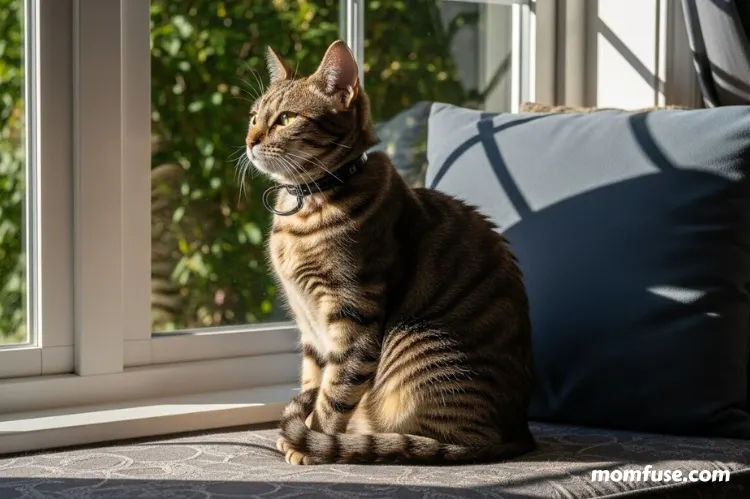

Cats depend on their owners to stay healthy and comfortable. Choosing the right flea collar helps protect them from discomfort and prevents flea infestations inside the home. It takes attention to a few key details to find one that works safely and lasts as long as needed. Understanding what features make a flea collar effective helps pet owners make a smart and confident choice for their cat’s well-being.
Many collars advertise protection, but not all deliver the same results. Factors such as safety, how long the collar lasts, and its resistance to water can make a big difference. This guide explains what to look for so that each cat gets the right balance of comfort, durability, and protection against fleas and ticks.
Ingredient Safety and Toxicity Levels

One of the most important steps in finding an effective flea collar for cats is checking ingredient safety. Some collars use natural plant oils to repel fleas, while others rely on synthetic chemicals. Each type has pros and cons, so cat owners need to read labels carefully before use.
Natural formulas often cause fewer reactions, but they may not last as long as chemical products. Synthetic collars can provide stronger protection, yet they might irritate sensitive skin or pose risks if a cat chews on the collar. Therefore, understanding toxicity levels helps prevent health problems.
To judge safety, look for ingredients tested for low toxicity and avoid collars containing harsh pesticides. A collar that meets safety guidelines protects the cat without harming it or the household. Reading product instructions and monitoring a cat for any skin changes also improves safety and comfort.
Duration of Protection
The length of time a flea collar stays effective can vary by product. Some offer about six months of defense, while others can work for up to eight months. This range helps cat owners plan how often to replace the collar to maintain steady protection.
A collar with a longer duration may cost more at first but often reduces the need for frequent replacements. This can make it a practical choice for busy households or multi-cat families. However, the best option depends on the cat’s daily habits and exposure to fleas.
Moisture, sunlight, and grooming habits can affect how long a collar remains effective. For example, a waterproof design tends to last longer for outdoor cats. Therefore, checking the manufacturer’s guidelines and monitoring the cat’s skin condition help keep the collar safe and effective throughout its use.
Water Resistance and Durability
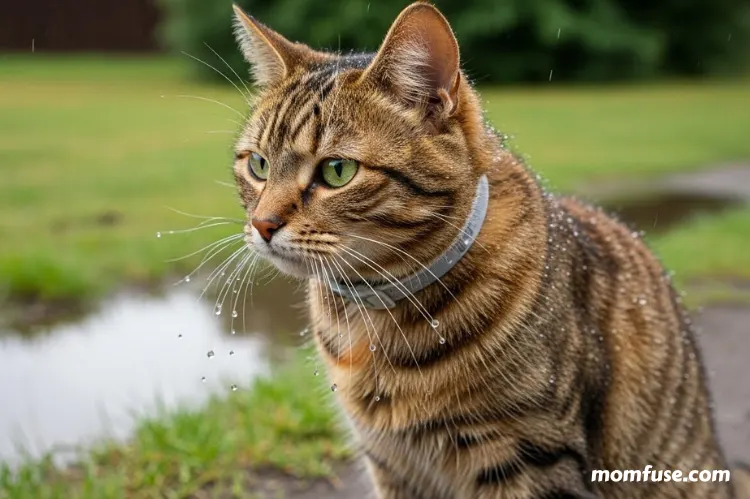
A good flea collar should handle everyday wear, light rain, and the occasional splash of water. Cats explore many places, so a collar that keeps its effect even after contact with moisture offers more consistent protection.
Durability also affects how long the collar stays effective. Materials that resist fraying or cracking help maintain both comfort and function over time. A sturdy clasp prevents the collar from slipping off or breaking during normal activity.
Some collars keep their insect-repelling power for several months, even with outdoor use. However, constant exposure to water or rough play may shorten their lifespan. Checking the collar regularly for signs of wear allows owners to replace it before it loses strength.
By choosing a water-resistant and long-lasting option, cat owners reduce the need for frequent replacements. This approach supports steady flea control and keeps the cat comfortable without constant adjustment.
Size and Adjustable Fit for Your Cat
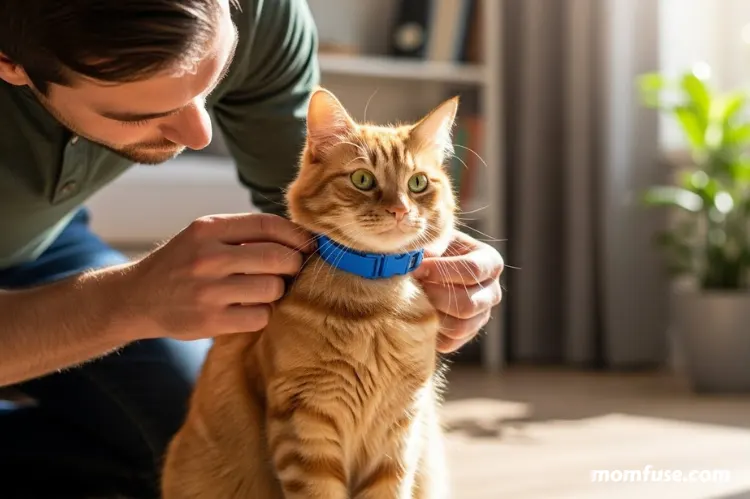
A proper fit helps a flea collar work as intended and keeps a cat comfortable. The collar should sit snugly around the neck but not tight. A general rule is to leave space for two fingers between the collar and the neck.
Cats come in many sizes, so measuring the neck before buying helps avoid mistakes. Most collars have adjustable lengths, which makes it easier to find a secure yet comfortable fit. This flexibility also allows for growth in kittens or small breeds.
An adjustable design also prevents the collar from slipping off or causing irritation. A loose collar may fail to provide full protection, while a collar that is too tight can cause discomfort. Therefore, regular checks help maintain both comfort and safety.
Choosing the right size helps the collar stay effective over time. It allows consistent contact with the cat’s fur, which helps the active ingredients work properly against fleas.
Effectiveness Against Both Fleas and Ticks
An effective flea collar should guard against more than just fleas. Ticks also pose health risks to cats, so a collar that targets both pests offers better overall protection. Some collars release ingredients that start working within hours, making them useful for pets that go outdoors often.
Not all collars provide equal coverage. Some focus mainly on fleas, while others repel and kill both fleas and ticks through controlled ingredient release. This feature helps reduce the chance of future infestations and supports long-term comfort for the cat.
Before use, it is helpful to check how long the collar stays active. Many collars stay effective for several months before needing replacement. This balance between flea and tick protection, duration, and safety makes the collar more practical for everyday use.
Conclusion
Choosing an effective flea collar for a cat depends on matching the product’s features to the cat’s unique needs. Factors such as age, size, health, and activity level influence how well a collar works and how safe it is for everyday wear.
Ingredients play a major role in both performance and safety. Natural ingredients may suit sensitive cats, while stronger chemical formulas can offer longer protection. Therefore, checking active compounds and their approval status helps avoid unwanted side effects.
Durability and comfort matter as well. A collar that resists water and adjusts easily tends to last longer and fit better. Regular inspections prevent irritation or breakage that could make the collar less effective.
By focusing on these practical points—ingredients, fit, durability, and cat health—pet owners can choose a product that keeps fleas away while maintaining comfort and safety for their cats.
Read Next: Pet Allergies: Smart Home Strategies for Cleaner Living

Jessica Fuqua is a mom of two who writes about the messy, beautiful reality of raising kids. She believes parenting advice should feel like a conversation with a friend, not a lecture. When she’s not writing, she’s probably reheating the same cup of coffee for the third time.