
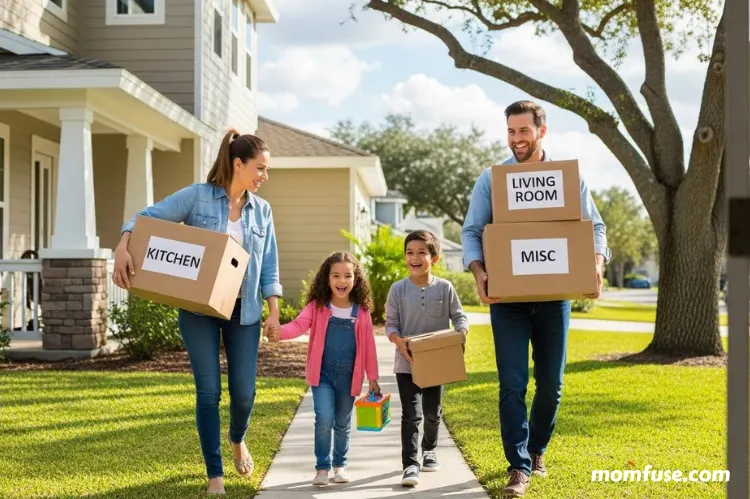

Family moves tend to be both exciting and chaotic, especially when juggling kids, schedules and mountains of belongings. Simplifying the process with practical tools like moving containers helps parents regain control and reduces the stress that often accompanies relocation. When the logistical side becomes easier to manage, families can focus on creating a positive experience for children and settling into the new home with confidence.
Why Moving Feels Especially Overwhelming for Parents

Relocating affects every family member, but parents typically carry most of the responsibility. Packing entire rooms while caring for young children, maintaining routines and managing emotional transitions is no small task. Even short distance moves can disrupt sleep, mealtimes and daily comfort, which adds to the pressure.
Children often struggle with change, and the temporary disorder that comes with a move can make them feel uncertain. Toys may be boxed up, favorite corners disappear and the usual structure of the home becomes harder to maintain.
Parents who plan ahead tend to find the transition smoother because preparation helps maintain a sense of stability.
Establishing clear stages for the move also allows families to break tasks into smaller steps. This reduces frustration and keeps the process manageable from beginning to end.
Preparing Kids for the Transition

Communication plays a major role in helping children adapt to a new environment. When they understand what will happen, they feel more secure and are more willing to participate. Parents can transform the move into an opportunity to teach children about organization, responsibility and emotional resilience.
Helpful strategies to support children during a move

- Introduce the idea of the new home early and allow kids to ask questions freely.
- Invite them to help sort through belongings so they feel included and prepared.
These small actions help create a sense of ownership and excitement. Children who feel involved handle transitions with greater ease because they feel like active participants rather than bystanders.
Creating an Organized Packing System for Busy Families
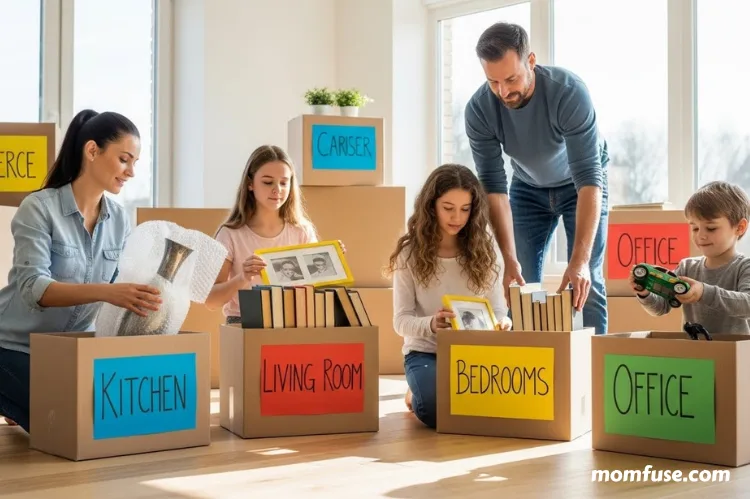
Families often accumulate more items than they realize, especially when raising children who grow quickly and require frequent wardrobe updates, school materials and age specific toys. Without a plan, the packing stage can become overwhelming. An organized approach ensures that essential items remain accessible while less urgent belongings are grouped together.
Color coding boxes, labeling categories clearly and creating a priority list for unpacking prevent unnecessary confusion later. Parents can decide which rooms to pack first and which items need to stay available until the final day. For example, a designated box for daily necessities such as school supplies, pajamas and bedtime comforts helps keep routines consistent during the transition.
Key considerations for family friendly packing

- Keep one bag per child with their favorite comfort items, outfits and bedtime essentials.
- Sort toys into categories so they can be reintroduced slowly in the new home.
These habits make it easier to maintain a feeling of normalcy even when much of the household is temporarily in boxes.
Setting Up the New Home With Comfort in Mind
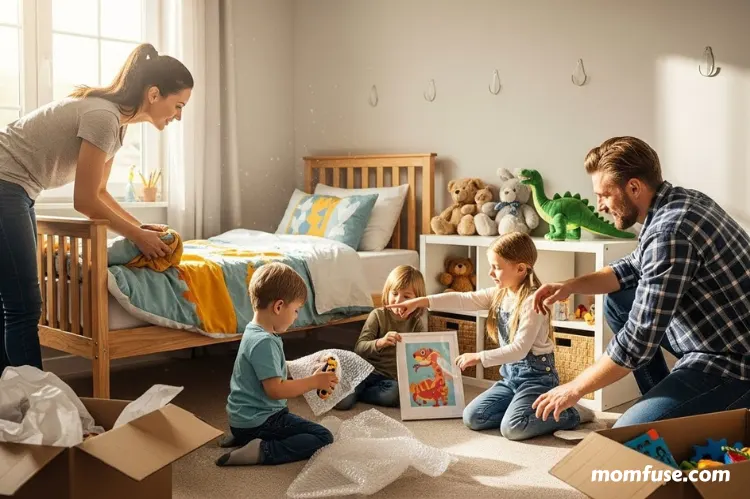
The first rooms a family sets up in the new home can influence how quickly everyone adapts. For parents, the priority often lies in creating functional and comforting spaces that help children feel grounded. Unpacking kids rooms early and arranging familiar items in recognizable ways helps them settle emotionally.
Two essential family zones to set up first
The Sleeping Area
A well prepared sleeping space helps children rest better during the transition. Parents can recreate familiar elements from the previous home, such as bedding, night lights or stuffed animals.
The Eating and Snack Zone
Designating an accessible area for snacks and meals maintains structure and reduces stress. When children can easily find what they need, they feel more in control.
These small setups bring stability to the new home, allowing the rest of the unpacking process to continue without disrupting family life.
Turning a New House Into a Family Sanctuary
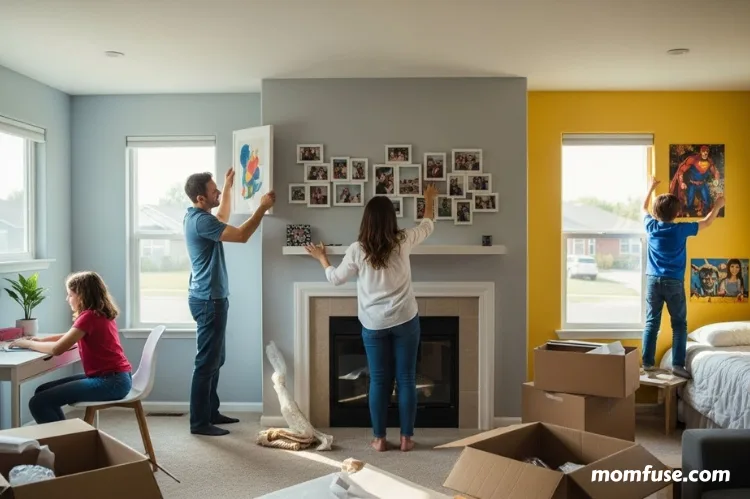
Once the essential areas are functioning, families can begin creating a warm and nurturing atmosphere. Displaying photos, personal artwork, favorite books and familiar decor pieces helps transform the space into a true home. Children benefit from seeing familiar visual cues because they reinforce security and emotional comfort.
Parents can also involve kids in decorating their rooms. Choosing colors, arranging toys or picking the layout of the furniture gives them a sense of pride and helps them connect to the new environment. These moments strengthen family bonds and encourage children to view the move as a new adventure rather than a disruption.
Creating cozy shared spaces, whether a reading nook, a play area or a family movie corner, also helps everyone feel settled. These areas become natural gathering spots and allow families to form new memories quickly.
A Supportive Approach to Stress Free Family Moves
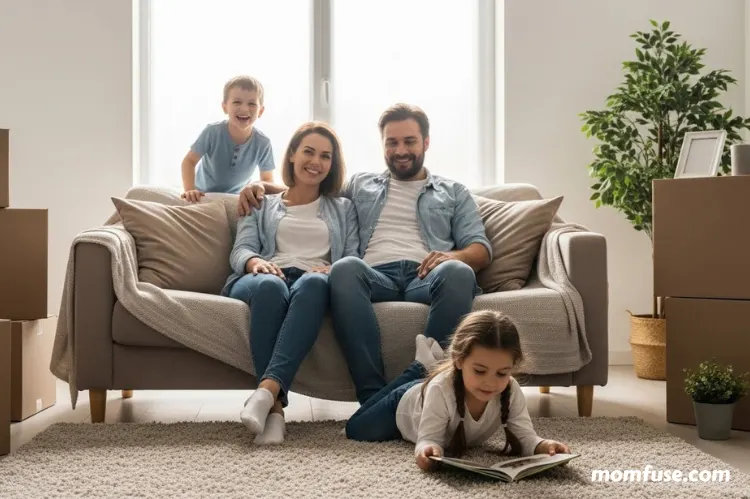
Relocating with children comes with unique challenges, but thoughtful preparation and a structured plan can turn it into a positive experience. When parents focus on communication, organization and emotional support, the transition becomes smoother for everyone. By breaking the process into manageable steps and creating comfort in the new home as early as possible, families can maintain stability and even enjoy the excitement of fresh beginnings.
Read Next: Remove Black Borders from Video for Perfect Family Memories

Jessica Fuqua is a mom of two who writes about the messy, beautiful reality of raising kids. She believes parenting advice should feel like a conversation with a friend, not a lecture. When she’s not writing, she’s probably reheating the same cup of coffee for the third time.