
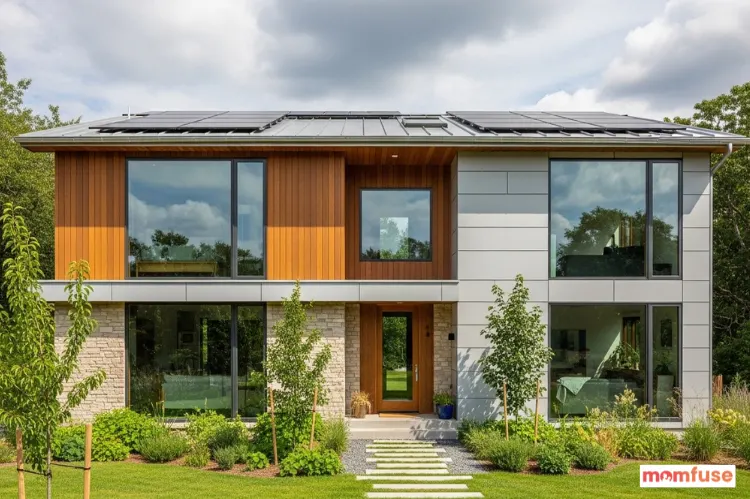

A home is much more than a design option, it is an investment and a long term one, which affects your way of life, wellbeing, financial stability, and environmental impact over decades. The level of indoor air quality, energy, durability, and comfort is directly affected by each material that is selected in the construction process. Comparatively, sustainability, preservation of resources, and sustainable living are a conscious action, by using a material that is environmentally friendly.
It ensures that your house is not only brought up to the present old of comfort and performance, but it is also going to affect the well-being of your future generation in a positive way.
This decision is plausible and beneficial, and environmentally friendly materials will not make the construction process more complex and make the prices dramatically higher. Sustainable alternatives include recycled steel, sustainable timber, low-VOC paints, natural insulation, low energy use windows, and these alternatives will reduce carbon emissions and enhance structural durability and indoor air quality.
Moreover, green building options can add up to the price of your property and help to get your house up-to-date with the new environmental requirements. Finally, the application of eco friendly material is not just about saving the planet but rather creating smarter, healthier and stronger buildings in the years to come.
Lower Carbon from The Start

A building has an invisible carbon cost of every new wall, roof and foundation before a home is even inhabited. Removal, production, and the movement of building materials use a lot of energy which adds to the embodied carbon emissions even before the lights can be turned on. Using materials that have a lower embodied energy will decrease that footprint in the initial phase of construction.
Timber, which has been sourced sustainably, reclaimed brick, low-carbon concrete, bamboo, and recycled steel provide viable and sustainable solutions to structure and finishes. These materials work well and tend to exert minimal pressure on the natural resources. Looking smart at the start of the process allows one to be certain that sustainability is a feature that is embedded in the structure of the house rather than an enhancement that comes after the construction.
Trends in policy and energy statistics indicate that construction and renovation take up a significant portion of the total environmental impact of the world with approximately 5 percent of energy consumption and 10 percent of carbon emissions attributed to building activity.
The early carbon benefit can compound with time and particularly with effective materials combined with high-performance systems which would form a home using less energy and disrupting the site less overall.
Healthier Indoor Air
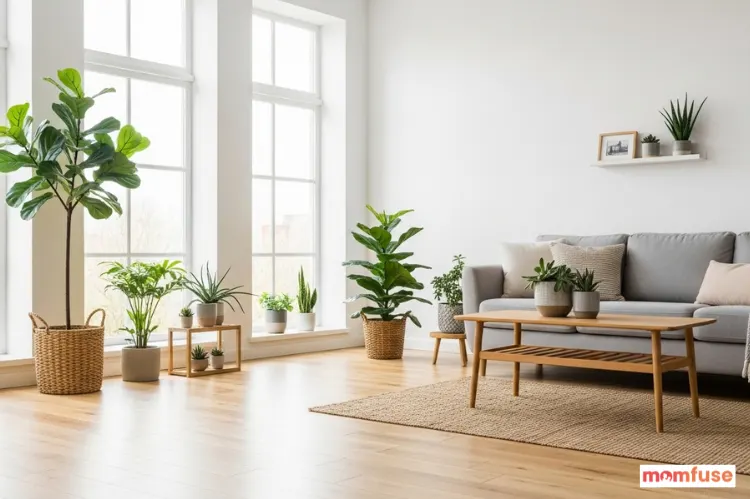
The decisions about the choice of materials directly influence the air that you inhale in your house. Indoor chemical exposure can be hugely minimized through the use of low-VOC paints, formaldehyde-free furniture, and natural insulation, including cellulose or wool.
Natural finishes and solid-wood flooring also do not have a lot of synthetic additives often present in composite products. Placing cleaner materials in the construction and/or renovation of houses, homeowners build living environments that promote respiratory health and well-being altogether.
Considered material richness is also better at controlling moisture and everyday comfort. Natural absorption and release of moisture to the surface of wood floors contribute to normalization of humidity levels in the room and eliminate stuffiness and unpleasant smell.
Making the furniture and interior finish of sustainable wood products provides most families with an organic atmosphere of relaxation that is warm and suitable. These goods are an addition to simple, low-toxicity cleaning and reduce the severity of chemical product usage, which aids in reinforcing a healthier domestic setting.
Naturally, healthy materials are not enough to make the equation complete. The key elements of consistent indoor air quality are good ventilation systems, airtight sealing and regulation of humidity. By applying intelligent choice of material, combined with properly designed airflow and moisture control solutions, one can end up with the house that brings fresh and clean air on daily basis and is comfortable, efficient and strong at the same time.
Real-World Momentum for Wood

Cities and constructors are ramping up materials that are climate-smart. The engineered wood is proving that what had been considered experimental several years back is now ordinary because it can be used to construct homes, schools, mid-rise districts, and even high-rise buildings with reliable performance and that cozy human touch. Such a momentum develops confidence in the person who is a homeowner.
In Europe, the timber spotlight continues to be on projects. An ambitious Stockholm area that plans to offer thousands of homes this decade is a clear signal that an approach that is wood-first can form a whole neighborhood. Large-scale operations such as these will assist suppliers in developing capacity and increase quality.
In the case of a single-family project, the shift is displayed on the shelf. Certified decking, engineered beams, and bio-based insulation are no longer very difficult to find as they used to be several years ago. The supply chain has become more aligned to design goals with sustainability.
Faster, Smarter Building Processes
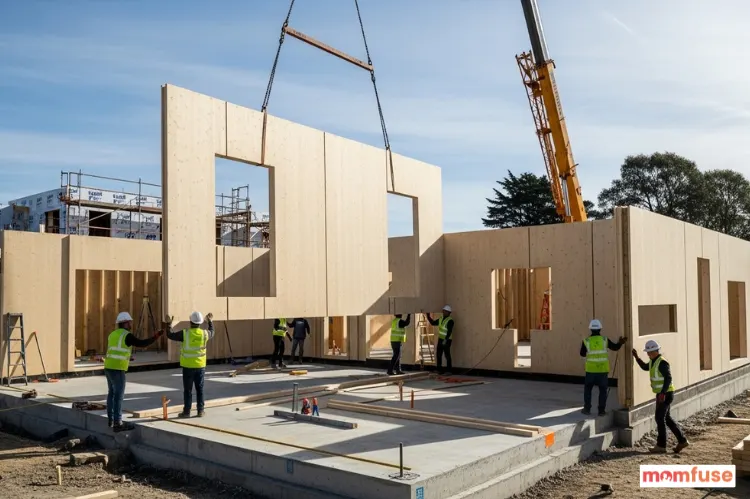
Being environmentally friendly does not imply making things complex. The green materials are mostly easy to install and put together within regular schedules. Wall framing Unfinished wood siding of pre-fabricated wood, click-lock flooring and panelized framing can make the work at the site quicker and allow less exposure to weather.
As an example, a playbook that works quickly and well could be:
- Where possible, use panelized or modular components.
- Choose finishes, which need one pass installation and minimum curing.
- Select less heavy materials to decrease crane time and deliveries.
The decisions save on labor and reduce wastage simultaneously. Fewer cuts and touch-ups will result in fewer offcuts being in the dumpster and a cleaner job site. Smart sequencing ensures the trades stay out of each other and ensures the pace so that the finished surfaces are not damaged.
Durable Materials That Last

One of the most feasible sustainability strategies of building homes is longevity. Aging well materials do not require regular replacement; hence, it results in less waste, less maintenance and saving of natural resources is achieved with time. Maintenance can be prolonged by years through investment in long life cycle roofing systems, rot resistant cladding, corrosion resistant fasteners and high quality sealants.
Intelligent building designs including elevated bases, correct drainage planes, cap flashings and drip edges can aid in ensuring that the water does not get near the building structure in any way. The issue of moisture is very important to durability and when these basic but effective considerations are made, exterior wood can stand decades of sun, wind and rain without losing its natural strength and visual appearance. Right design transforms wood to a long lasting renewable resource instead of a problem of maintenance.
Stair treads made of hardwood, solid-core doors, natural stone, and countertops that can be repaired not discarded are designed to be refinished. This will promote restoration to replacement thereby minimizing landfill waste and material usage.
A house constructed using the materials that can be maintained, that is, repaired with simple tools and with the help of skills that are applicable in practice will be able to serve and look pleasant even after many generations, prolonging its life cycle and having minimum effects on the environment.
Designing For Circularity and Reuse
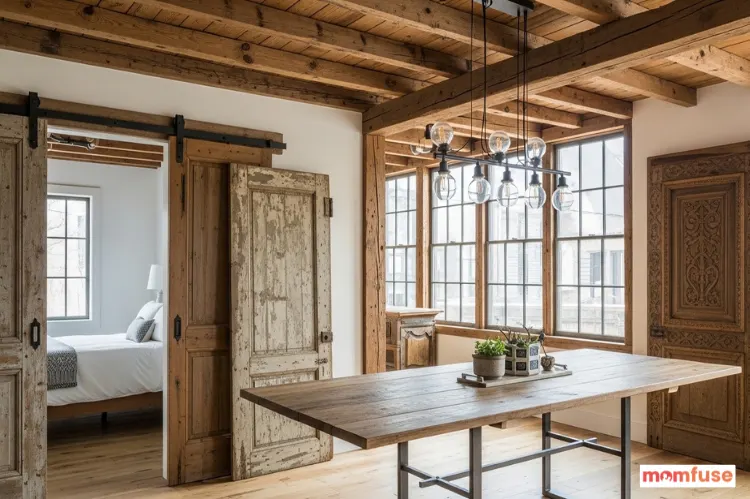
Circular design starts at the drawing board where initial choices are taken to influence the whole life cycle of a building. The choice of mechanical fasteners that enable the removal of parts instead of their destruction enables the latter to be disassembled in the future.
Standardized dimensions guarantee that materials can be utilized in other projects without finding an expensive way of adapting them. By not using unnecessary laminations and permanent adhesions, the integrity of separate elements is also maintained.
Recycling of framing lumber, structural steel, bricks and fixtures to be used in rebuilding efforts is being done by the builders in post-disaster clean-up exercises and in large scale renovation attempts. The use of salvaged materials minimizes landfill wastes, reduces the demand of new resources extraction and reduces the embodied carbon associated with manufacturing.
With parts being used instead of wasted, time-saving on the environment and expenses are doubled, benefiting the communities and projects in particular.
The same circular mentality can be applied to smaller scale by homeowners. Good doors, beams, cabinetry, lighting fixtures and hardware that decades of service remain can be found in architectural salvage stores and reuse centers.
Making deconstruction, instead of demolition, the guiding principle of planning renovations simplifies it to recover materials in a responsible manner in the future. Homeowners can design spaces to be reused today to provide flexible spaces that can be reconfigured tomorrow without such wastage.
Regardless of the budget or the architectural style, the green building materials always provide value in the long run. They cut down on concealed embodied carbon, enhance indoor air quality and enhance the overall structural capacity.
Compared to short-term upgrades which wear out with time, sustainable materials keep on doing their duties every year with minimal maintenance requirements. They also help provide healthier and more comfortable living conditions by reducing the exposure to toxins and helping save energy.
A home created thoughtfully, carefully, and with a deliberate choice of materials, pays back in the form of value in different ways. Confusion can be enhanced by enhanced insulation and breathing finishes, robustness can be achieved by strong building decisions, and the effect on the environment can be lowered by the waste and emissions. Selecting materials is one of the easiest but mightiest things that homeowner can undertake in order to have a future that is characterized by stability, efficiency and enduring value.
Read Next: Home Improvements Made Easy for Busy Parents

Jessica Fuqua is a mom of two who writes about the messy, beautiful reality of raising kids. She believes parenting advice should feel like a conversation with a friend, not a lecture. When she’s not writing, she’s probably reheating the same cup of coffee for the third time.