
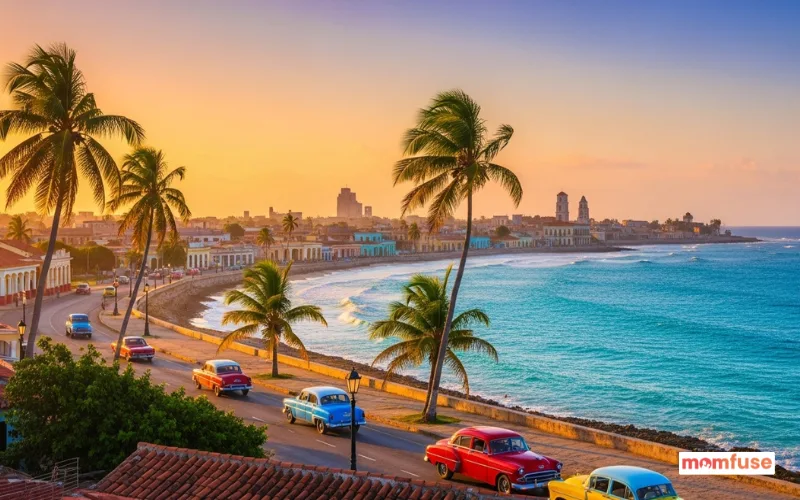

The majority of tourists who arrive in Cuba do not go far away of the capital of Havana, its renowned seawall of Malecón to explore some of the most charming places of the island. Although the colonial architecture of the capital and the old cars are making an everlasting first impression, it is all the treasures of the coast and in the valleys where the time moves more slowly that makes Cuba really magical.
The Malecón itself is a symbolic one – a five or six mile curvy sea-wall that extends along the coastal strip where the locals go to fish and gossip and watch the sun go down over the gulf of Mexico. To a high number of guests, this part of Havana represents the climax to their Cuban experience. But outside the city, the entire island is centuries of stratified history, colonial towns, beaches left undeveloped, and societies who have largely not changed significantly in terms of traditions over the generations.
You are not going to waste any more time exploring these hidden gems without your tourist card sorted. Purchasing your Cuba tourist card online at https://www.easytouristcard.com/ can be done in minutes, not wasting your time on the paperwork aspect in the airports, so that you can go about planning your adventure. Planning in advance will allow you to waste less time on logistics details and find out what the towns, the landscape, and the coastal wonders of Cuba can offer that is so rare elsewhere.
Trinidad: A Living Museum
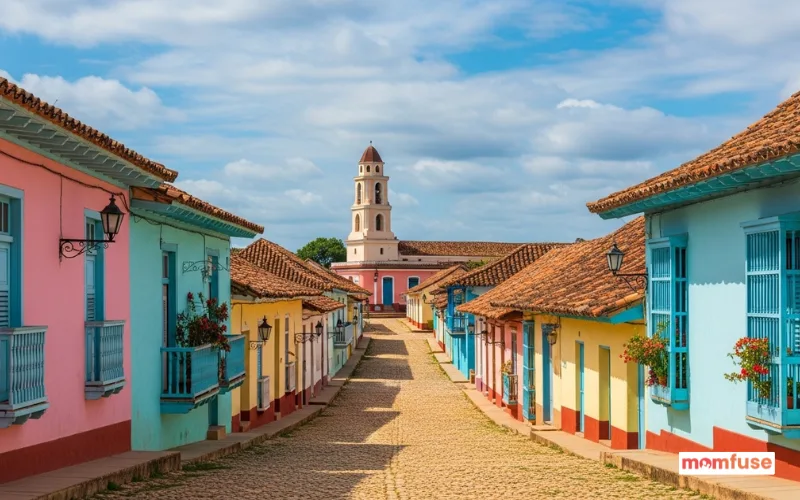
The Trinidad is three hours southeast of Havana, and it seems to be a movie set during the 1850s. This is the best place to find the colonial beauty on the island as it has been preserved as a UNESCO World Heritage site. It is a network of cobblestone streets, over which pass pastel mansions, tiled with terracotta, the Torre Manaca Iznaga presiding over sugar cane plantations, which used to make this town richer than it is possible to conceive.
Trinidad is a slowness contrasted with hectic Havana. Son cubano is being played in Plaza Mayor by musicians, when the heat of the afternoon is setting over the town. The plaza has stone steps where people usually congregate to listen to live music as they relax in the casual ambience. During the evenings the town is bustling and has dancing, music and small cafes which are open and would host both travelers and locals.
The Valle de los Ingenios extends beyond the center of colonies, and is sprinkled with remnants of sugar mills that narrate the history of a complex past of Cuba. These plantations used to rely greatly on the slave labor and the relics of watchtowers and mills provide a grim view of the historical facts of the region.
Cienfuegos: The Pearl of the South
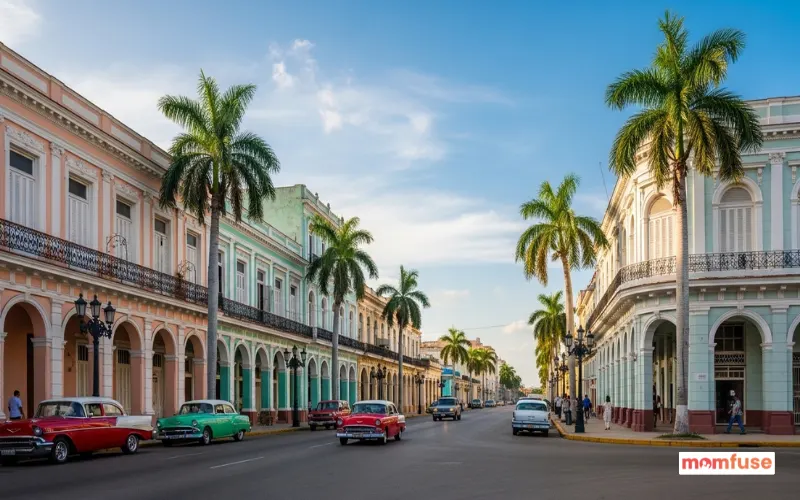
Cienfuegos is not the typical Cuban city as it has French influenced architecture and grid system. This seaside city was founded in the year 1819 by French settlers and it attained UNESCO status in 2005 by virtue of its neoclassical structures and city layout which is quite unlike Spanish colonial cities.
The planning of the city is not organic and is carefully planned. Cienfuegos is characterized by wide streets, grace boulevard and symmetrical plazas that make it refined. The architecture at this place is identified with elegant columns, adorned balconies, and light blue and yellow facades that make a beautiful appearance in the city.
The malecón here is seen with better views of the sunset with fewer tourists and there are botanical gardens nearby which have one of the oldest tropical collections of plants in Latin America. They have hundreds of exotic species of plants in these gardens and act as a relaxing nature trip to those in the area.
Baracoa: Cuba’s First Settlement
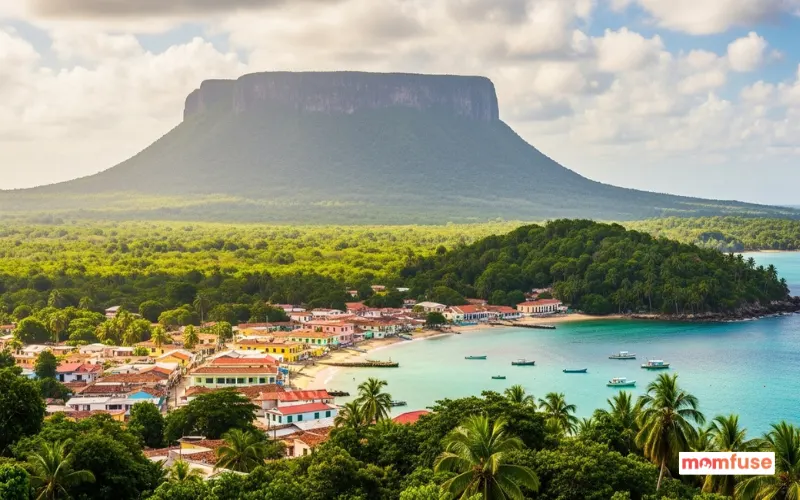
On the eastern end of Cuba, Baracoa is still coolly secluded, though it is the oldest Spanish settlement on the island. This town was isolated in Cuba by mountains and jungle until the 1960s when it was finally linked to civilization by the spectacular La Farola highway. Those seclusions have maintained traditions and ecosystems not anywhere.
The setting of Baracoa between fertile El Yunque mountains and the Atlantic Ocean forms a spectacular natural setting. The town is enclosed by thick rainforests, meandering rivers and dramatic coastal cliffs making it one of the most scenic places in the entire of Cuba. Baracoa offers adventure and nature to those who want to explore the tropical surroundings not often observed in the rest of the island, including hiking, river tours and sightseeing of the country.
The cathedral of the town is believed to contain a cross that Columbus planted in 1492, but carbon dating dating indicates that the cross is a year younger than the legend suggests. No matter how it may have been, the cross is one of the greatest historical relics in the town and symbolizes the strong attachment to the early colonial history of Cuba that Baracoa has.
Camagüey: A Maze of History
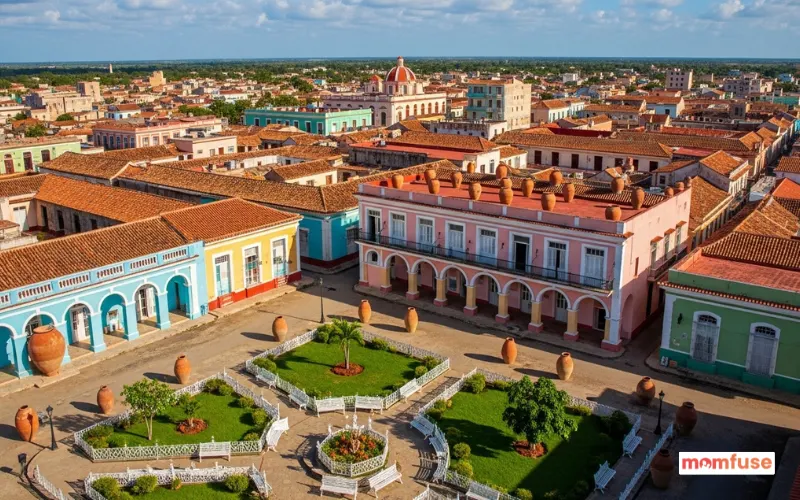
The third biggest city in Cuba perplexes the tourists with its intentionally confusing street patterns, devised centuries ago to delay the pirates. Being lost in the twisting streets and obscured squares is the charm of Camagueys. Tinajones are massive clay pots that gather rainwater in the city and they are a reminder of the days when fresh water was diamonds of the city.
The city of Camagua is an urban structure that is centuries old which indicates a defensive approach. The mazing streets forcefully prevented the quick penetration of invaders in the city. Nowadays, such a design gives an air of exploration as every turn brings another courtyard, old church, or peaceful plaza.
The historic center is a place that rewards the wanderer with one surprise after the other. Theaters enthusiasts get world-quality ballet at the cradle of a prima ballerina Alicia Alonso and art galleries are housed in colonial houses with three stories high ceilings. Camaguy has grown into a strong cultural center that glorifies music, dance and visual arts.
Gibara: The White Villa
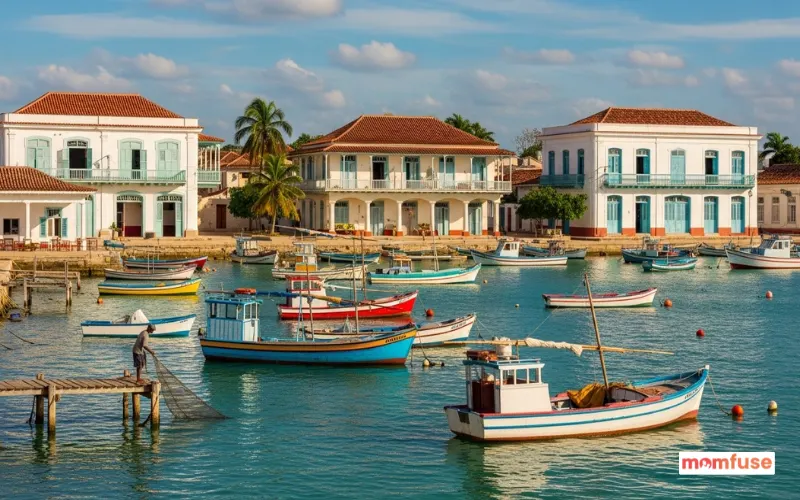
Gibara also refers to the White Villa, due to its light-colored buildings, which are situated along the northern coast of Cuba where the movie producer Fernando Perez shot his magic realist movie Madagascar. This fishing village has their own film festival of low-budget movies that fill the streets that are normally filled with people engaging in their daily activities.
The beauty of gibara is its simplicity. The whitewashed buildings of the town shine in the sunlight, which creates the bright and friendly city image of the whole village. The fishing boats are floating in the harbor and fishermen are mending nets on the shoreline, which has been the case of this community over the centuries.
The bay forms a natural harbor which has been launched fishing boats over centuries and the countryside has caves containing pre-Columbian paintings. These ancient cave drawings also act as evidence of ancient cultures that existed in this area way before the arrival of the Spain settlers.
Planning Your Journey
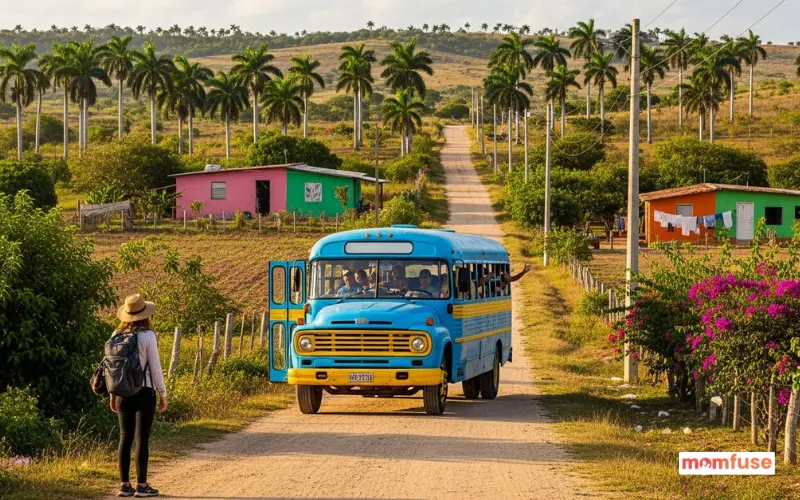
A deeper study into the untouristy towns of Cuba would take longer than one would think a week long vacation would permit, though the payoff would be one would explore an island that most tourists never get the opportunity to venture in. Outer city flights are used to connect with big cities, but there is also an opportunity to take a ride using old buses known as Viazul, which are cheaper in case of no hurry.
The Cases particulares are private and homestays offering genuine accommodation and home cooking that the hotels fail to offer. Living with local families gives the travelers a chance to firsthand encounter the Cuban hospitality besides getting to know how they live, their traditions and culture.
Another factor that varies is that the transportation schedules in other countries might not match the expectations of the travelers and therefore; they must plan their routes. One of the best ways to travel in Cuba is through patience and flexibility that will bear the most rewarding experience.
When to Visit Cuba for the Best Experience
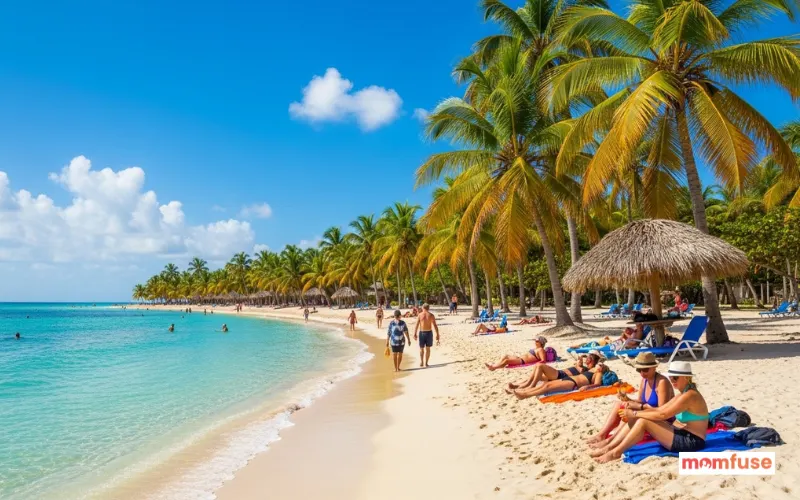
The weather is ideal during the period between November and April when the temperatures remain comfortable, and rain is minimal. It is hot and humid in summer and may be overwhelming to the tropical traveller who has lived in the tropics a long time, but there are fewer people and reduced costs.
The winter months in Cuba are sunny and breezy depending on the location, thus making the visit to cities and beaches acceptable. This season is also characterized by festivals and cultural occasions where a visitor can get to witness Cuban music, dance, and food.
Even during summer, travelling can be fun to those who are ready to take the heat. The benefit of this time period to travel is the less traffic and cheaper accommodation expenses. There is usually less congestion on beaches and historic towns and visitors are freer to explore.
Why Cuba’s Hidden Towns Are Worth Exploring
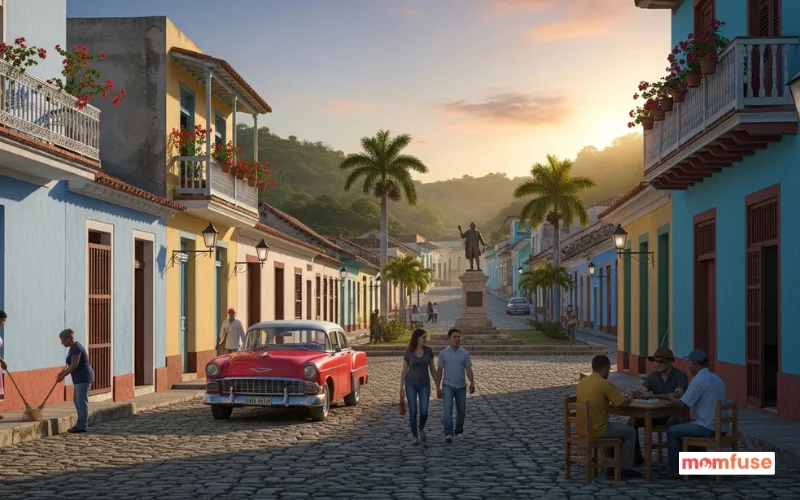
The secretive colonial towns of Cuba and her untouched beaches provide something more and more rare in our globalized world: destinations where the force of tourism has not yet taken over the personality of the locals. These places are a reward to those who are ready to go beyond the well-travelled, showing an island of intricacy, beauty and strength that is only alluded to in Havana postcards.
Going outside the popular sights enables the visitors to see another side of Cuba. Small towns on the island have the traditional, architecture and living styles that portray the centuries of history and cultural mixing.
In search of authenticity, Cuba has been providing a unique experience to travelers as compared to any other place within the Caribbean. The history of the island as well as its everlasting spirit can be traced in every town, starting with colonial plazas and unspoiled beaches.
Exploring Cuba’s Natural Coastal Beauty
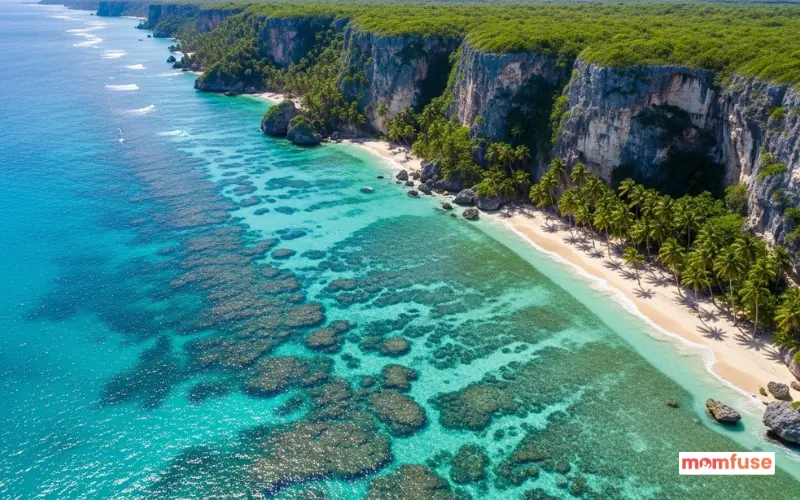
Cuba has a beautiful coastline that unveils a magnificent picture of natural landscapes besides its colonial towns. The Island has over 3,500 miles of coastline which has isolated beaches, coral reefs and steep cliffs that have not been hard hit by mass tourism.
Marine life Snorkeling and diving lovers will be impressed with a colorful marine life in the neighborhood of numerous coastal areas. The underwater exploration is among the top attractions of visiting Cuba as coral reefs are swarmed by tropical fish, sea turtles, and beautiful marine life.
Tourists have an opportunity to visit coastal nature reserves and national parks to preserve mangrove forests, wetlands and home of birds. These regions offer good kayaking, hiking and wildlife viewing.
Read Next: Family Car Rentals Los Angeles Guide for Easy Travel

Jessica Fuqua is a mom of two who writes about the messy, beautiful reality of raising kids. She believes parenting advice should feel like a conversation with a friend, not a lecture. When she’s not writing, she’s probably reheating the same cup of coffee for the third time.