
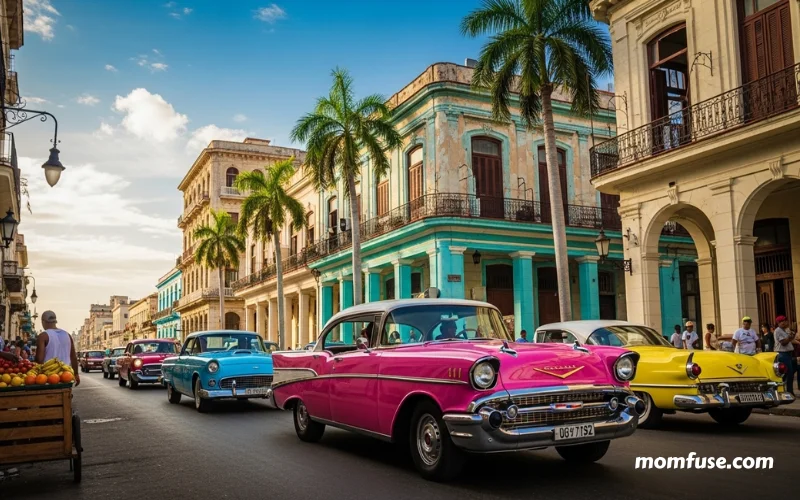

Cuba gets to you. For decades, travelers have been drawn to this island because of its vibrant culture, beautiful beaches, and the living museum that tells the story of its revolutionary past. That pull isn’t going to go away for a while. It does take some work to plan a trip to Cuba because the rules about who can visit are always changing and the country is slowly letting in more tourists. You need to have the right papers, make plans, and be on time. But whether you already dream of walking through the sunny streets of Havana or the green tobacco fields of Viñales, getting the basics right will set the stage for an unforgettable trip.
Understanding Entry Requirements
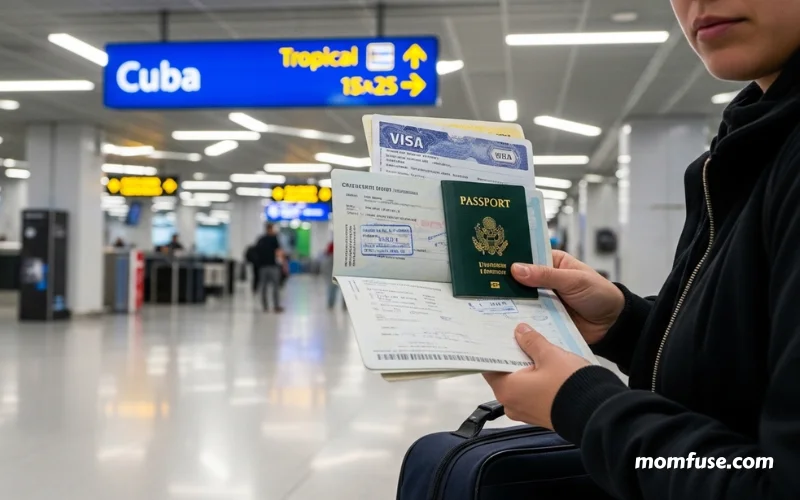
The first and most important thing you need to do is take care of your paperwork. American tourists have to do a few extra things because the U.S. and Cuba have a long and complicated diplomatic relationship. Tourists who come to the country need a tourist card, which is like a visa that lets them enter the country for that reason. What’s the good news? “Most travellers can get their Cuban tourist card online before they leave, which makes getting ready to travel much easier,” says Easy Tourist Card (https://www.easytouristcard.com/). That’s one less thing to stress about at the airport. You can stay in Cuba for up to thirty days on your tourist card. If you want to stay longer, you can do so for another thirty days once you get there.
You also need to follow the rules on your tourist card and make sure your passport is good for at least six months if you want to stay in Cuba legally. Also, your travel insurance must cover medical expenses. It is required to have insurance, and everyone should get their own insurance as part of their travel plans. Many airlines that fly to Cuba now include travel insurance for their passengers, so if you’re booking your own flight, make sure your insurance covers you before you leave your country.
Navigating Currency and Financial Logistics
How to Handle Currency and Money Matters
A lot of people say that the Cuban economy and financial systems are hard to understand for first-time visitors. In 2021, the Cuban government did make a unified currency system, and after unified in 2021, there was only one official currency in the country: the Cuban peso. It can be hard to get cash in Cuba because Cuban banks don’t have connections with banks outside of the island. If you want to use a debit or credit card from a U.S. bank, you’ll need to plan ahead because these cards don’t work in Cuba. Cards from banks in Europe and Canada are usually more reliable, but there are no guarantees that you will be able to get your money from an ATM every time you use it, depending on where you are on the island.
In Cuba, money is the most important thing. The euro and the Canadian dollar are the two most popular foreign currencies. You should stay away from American dollars, though, because they don’t have a good exchange rate. You should plan to spend between $75 and $100 a day on mid-range lodging, food, and activities if you have a budget. But the real costs will depend on how you like to travel. This is a warning about ATMs: they are easy to find in big cities, but they often run out of money or break down at bad times. Bring enough money to cover the whole trip.
Choosing Your Accommodation

Where you stay in Cuba can tell you a lot about the trip you’ll take. Casas particulares are guesthouses in Cuban family homes that are run by the families themselves. They have completely changed the way people stay in hotels in the last ten years or so. Look for the blue triangle signs outside the door. Rooms usually cost between $25 and $50 per night, and the experience is very different from staying in a hotel. Your hosts will usually make you a real breakfast, help you get around, and take you to places that aren’t in any guidebook. That kind of local, insider knowledge can make a trip truly memorable.
That being said, there are a lot of more traditional hotels to choose from, like charming Soviet-era buildings or beautifully restored colonial mansions, depending on what you like. And if you want to experience everything the resort has to offer, you can stay at an all-inclusive hotel on the beaches of Varadero, Cayo Coco, or Holguín. You can expect the same level of comfort and service as you would in other countries. You won’t see the real Cuba if you stay at the resort the whole time. The real Cuba is the neighborhoods where people live, work, and connect with each other.
Transportation Across the Island
You need to be patient and open-minded to get around Cuba. The best way to get between popular tourist spots is by taking a Viazul bus. They have air conditioning, work most of the time, and go to the most popular places. That said, you should book ahead if you are going during the busy season, which is from December to March. For instance, it costs about $25 and takes about six hours to get from Havana to Trinidad. The trip is worth it because of the rolling hills outside the window.
If you need to get somewhere fast, group taxis are a fun and quick way to do it. Most of the time, these are those old American cars. Yes, you do share the ride with other people, but you can haggle over the price, and the experience is very Cuban. Private taxis cost more, but they pick you up and drop you off at your door and let you stop whenever you want to see something. This is helpful if you want to take a picture on a country road that twists and turns. There are domestic flights for longer trips, like from Havana to Santiago de Cuba, but the schedules change a lot and flights are often late.
Renting a car is the best way to see things when you want to, but it does have some problems. You might not always see signs, and it can be hard to find petrol once you leave the main roads. You need an international driving permit, and you can rent the most basic cars for about $50 a day. It can be very rewarding if you go in with realistic expectations. Just don’t think planning is easy.
Maximizing Your Cuban Experience
The time of year you go to Cuba has a big effect on your trip. The dry season lasts from November to April and has nice weather with little rain. But this makes attractions more expensive and crowded. You can save a lot of money and see fewer tourists in the summer. But from June to November, you have to deal with the heat and the occasional hurricane.
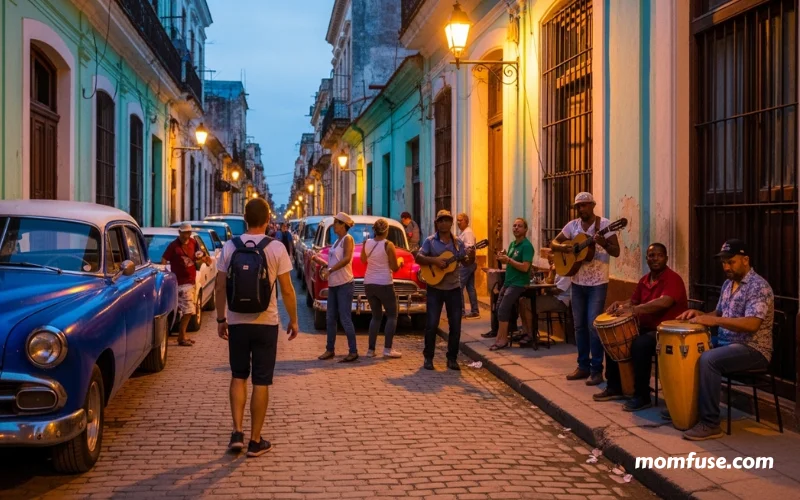
Cultural experiences make trips to Cuba unforgettable, even more than seeing famous tourist sites. If you know some basic Spanish phrases, it’s easier to talk to locals who are happy to share stories and advice. You can really have fun at Havana’s Casa de la Música or Trinidad’s Casa de la Trova without feeling like a tourist.
Cuba still has limited and expensive access to the internet. For instance, you can buy WiFi cards at ETECSA offices for about two dollars an hour. A lot of public squares have Wi-Fi, so they are great places for Cubans and tourists to meet up and use their phones and laptops. You can be more present in the moment by doing this digital detox.
Planning a trip to Cuba takes more time than planning a trip to other Caribbean islands, but it’s worth it because you’ll see culture and landscapes that are frozen in time. Travellers can find an island nation that is unlike any other on Earth if they have the right paperwork, realistic expectations, and a sense of adventure.

Jessica Fuqua is a mom of two who writes about the messy, beautiful reality of raising kids. She believes parenting advice should feel like a conversation with a friend, not a lecture. When she’s not writing, she’s probably reheating the same cup of coffee for the third time.