
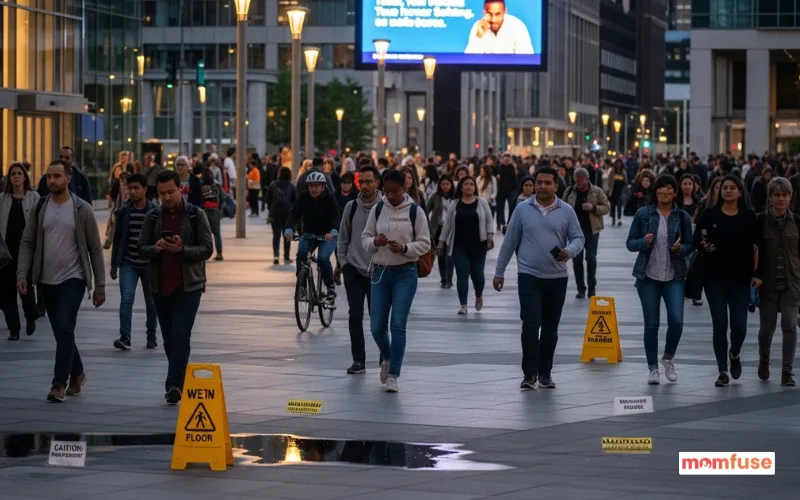

Public places are designed for shared use—shopping centers, entertainment venues, offices, parks, and transportation hubs all see constant foot traffic every day. While most people move through these spaces without incident, public place injuries are more common than many realize. Accidents often happen not because of reckless behavior, but due to overlooked hazards, poor maintenance, or lack of safety planning. Understanding the most common causes of public place injuries is the first step toward prevention. Below are major causes, along with practical insights into how these risks can be reduced.
Slips, Trips, and Falls Due to Poor Maintenance
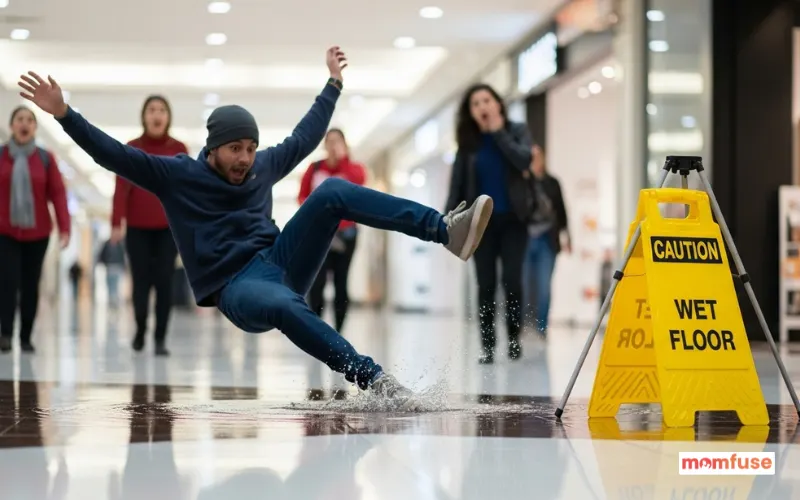
Slips, trips, and falls remain the leading cause of public place injuries. Wet floors, uneven pavement, loose carpeting, broken tiles, and cluttered walkways are everyday hazards that can result in serious harm. These risks are especially dangerous in high-traffic areas where people are distracted or moving quickly.
Poor maintenance is often at the root of the problem. Spills that aren’t cleaned promptly, damaged flooring that goes unrepaired, or temporary hazards without warning signs all increase injury risk. Weather-related issues such as rainwater tracked indoors or icy outdoor walkways further compound the danger.
Prevention starts with routine inspections and immediate corrective action. Property operators should address hazards as soon as they appear and clearly mark temporary risks. For visitors, wearing appropriate footwear and staying alert helps, but responsibility largely rests on those who manage and maintain public spaces to ensure safe walking conditions.
Burns and Thermal Injuries in Public Spaces

Burn injuries are an often-overlooked risk in public places, yet they can occur in restaurants, hotels, entertainment venues, and workplaces open to the public. Hot liquids, exposed heating elements, malfunctioning appliances, and poorly maintained electrical systems are common sources of thermal injuries.
“These incidents frequently happen when safety standards aren’t followed—such as unsecured kitchen areas, faulty wiring, or a lack of protective barriers around heat-producing equipment. In crowded environments, accidental contact with hot surfaces or spilled beverages can lead to painful and sometimes permanent injuries.”, says Morris Law, a Las Vegas burn injury lawyer.
Inadequate Lighting in Shared Areas
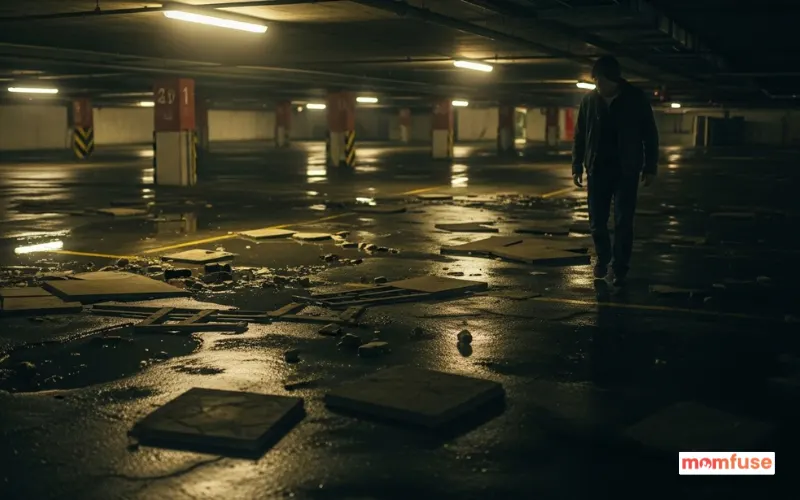
Lighting plays a crucial role in public safety, yet it’s frequently undervalued. Poorly lit stairwells, parking garages, hallways, and outdoor walkways increase the likelihood of trips, falls, and collisions. When people can’t clearly see their surroundings, even minor obstacles become serious hazards.
Dim lighting also affects depth perception and reaction time, particularly for older adults or those with vision challenges. In some spaces, lighting is intentionally reduced for ambiance, but this often comes at the cost of visibility and safety.
Preventing lighting-related injuries requires a balance between design and function. Property managers should ensure consistent illumination in high-risk areas, replace faulty fixtures promptly, and avoid creating dark zones where hazards are easily missed. Motion-sensor lighting and regular nighttime inspections can further reduce risk.
Crowd Congestion and Poor Flow Management
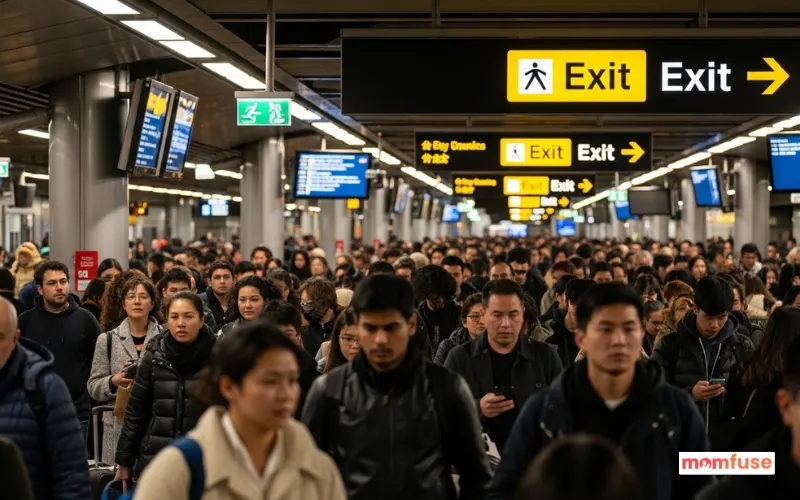
Crowded public places—such as malls, venues, transit stations, and event spaces—create unique injury risks. When crowd flow isn’t managed properly, people may be pushed, knocked off balance, or forced into unsafe areas. Sudden stops, bottlenecks, and panic responses can lead to falls or crushing injuries.
Crowd-related injuries often occur during peak hours, special events, or emergencies when clear pathways and exits aren’t maintained. Poor signage and inadequate staffing can worsen these situations by increasing confusion.
Prevention focuses on proactive planning. Clear entry and exit points, visible directional signage, and trained staff to manage crowd movement are essential. Limiting capacity and monitoring density in real time can significantly reduce the risk of crowd-related accidents.
Faulty Stairs, Handrails, and Elevation Changes
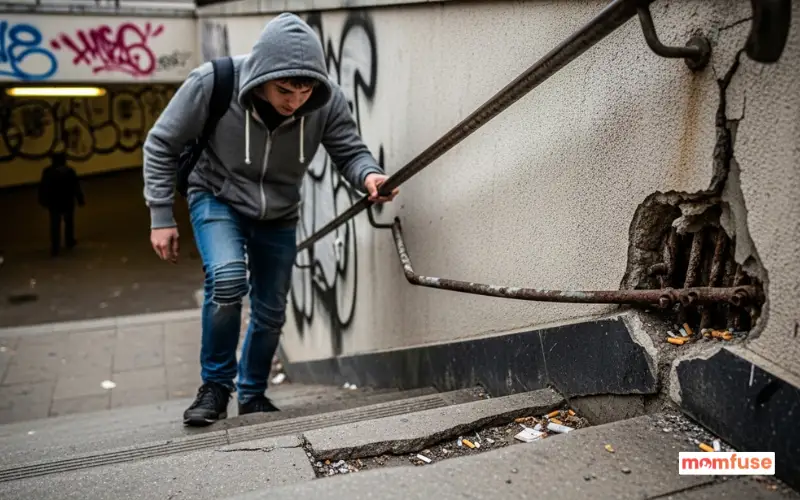
Stairs, ramps, and changes in elevation are common in public spaces—and common sites of injury. Loose handrails, uneven steps, worn stair edges, and improperly designed ramps increase the risk of falls, especially for individuals with mobility challenges.
Many injuries occur because these features don’t meet safety standards or aren’t maintained over time. Even small defects can lead to serious consequences when used by hundreds of people daily.
Preventive measures include regular structural inspections, secure handrails, non-slip stair surfaces, and clear visual cues for elevation changes. High-contrast markings and proper ramp gradients help make these areas safer for everyone.
Falling Objects and Overhead Hazards
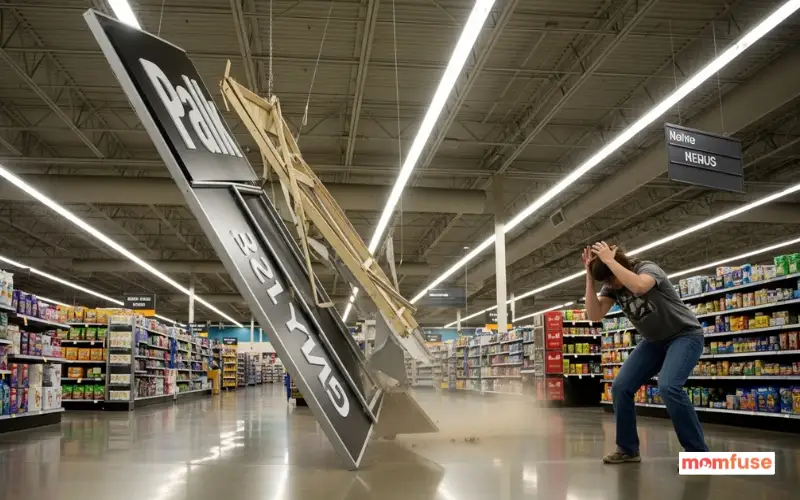
In public spaces with shelving, displays, signage, or decorative elements, falling objects pose a serious threat. Improperly secured fixtures, overloaded shelves, or poorly installed signage can fall unexpectedly, causing head and neck injuries.
These incidents are especially dangerous because they’re unpredictable and often unavoidable for the injured person. Retail stores, warehouses open to the public, and event venues are common locations for such accidents.
Prevention requires secure installation, weight limits, and regular inspections of overhead structures. Staff should be trained to identify instability and address it immediately before it becomes a hazard.
Lack of Clear Warnings and Safety Signage
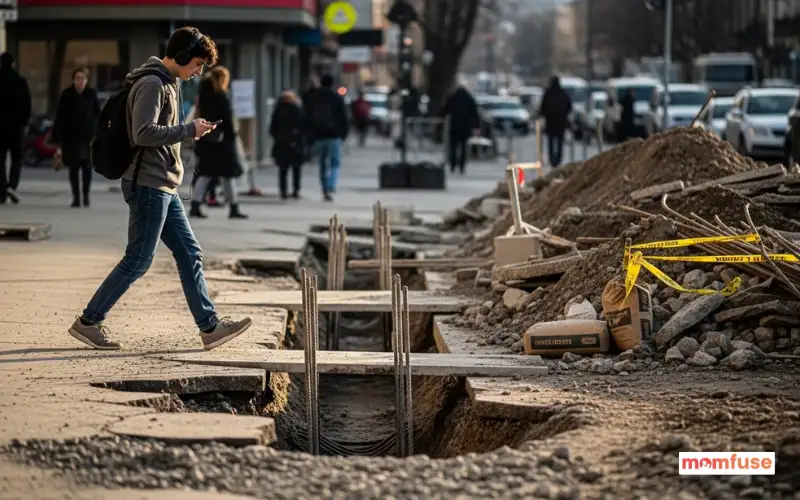
Even when hazards are present, injuries are more likely when people aren’t warned about them. Missing, unclear, or poorly placed signage leaves visitors unaware of risks such as wet floors, construction zones, or restricted areas.
Effective warning signs give people the opportunity to adjust their behavior and avoid danger. Without them, individuals may unknowingly enter hazardous spaces and suffer preventable injuries.
Prevention is straightforward: use clear, visible signage that’s easy to understand and placed where people naturally look. Temporary hazards should be marked immediately, and warnings should remain until the risk is fully resolved.
Read Next : Serious Injury Financial Support Steps for Strong Recovery
