

Charcot-Marie-Tooth is a genetic condition that affects muscle development and nerve function. Its early symptoms include weakness in the feet, ankles, and hands. When not addressed on time, the symptoms can progress and cause total loss of balance, spine curvatures, and severe nerve pain.
There is no current permanent treatment for the condition. However, early management can help babies learn to move and build basic skills at their own pace as they grow. Below are physical and occupational remedies for newborns who might have CMT.
1. Therapeutic Physical Exercises

Gentle physical activities can prevent or delay any disabilities that result from body weakness. The key is to enable the newborn to maintain or improve their ability to participate in their desired activities. A specialist may suggest simple movements that aim to build early muscle control. These include rolling, kicking, and reaching items safely.
Therapeutic exercises often happen during floor play or supported sitting. The therapist also watches closely and conducts short sessions to prevent fatigue. The focus is on reducing stiffness and supporting balance as the baby grows. However, the specialist can introduce more skills that enable the newborn to adapt to new physical duties. This approach enhances movement over time without putting too much pressure on weak muscles or joints.
2. Supportive Positioning and Postural Therapy

Good positioning plays a big role in the early intervention of the disease. How a baby is held or placed affects their comfort and overall growth. Doctors often suggest safe ways parents can position their baby during play, feeding, or rest. These make the joints more aligned and reduce strain on muscles. For example, supporting the hips and shoulders during sitting can increase balance and back posture.
Postural therapy also enables babies to learn head and trunk control. For instance, training the child to sit properly prevents habits that may lead to stiffness in the neck and down to the limbs. These small techniques during play and feeding time can make the position more comfortable and effective. And as the baby grows, consistent training can have a steady and positive effect on overall development and balance.
3. Range-of-Motion and Stretching Therapy

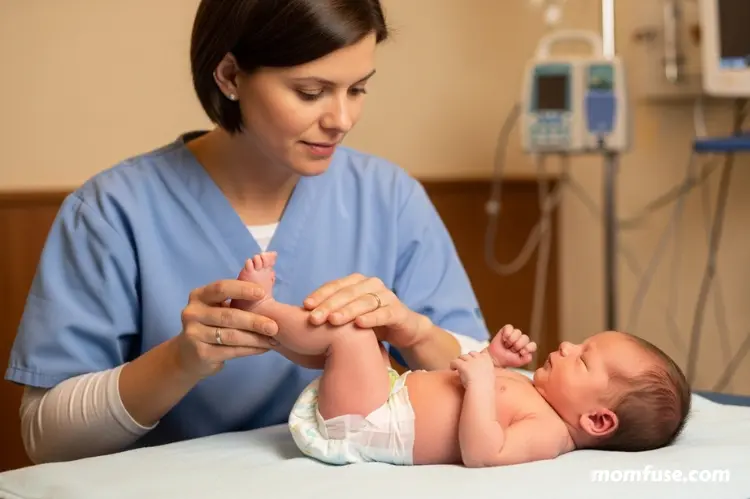
Flexibility and strength are important parts of the physical intervention of Charcot-Marie-Tooth disease. The condition causes some muscles to be weak earlier than others. Engaging in gentle stretching activities delays or prevents the onset of weakness and reduces the likelihood of tight muscles. Doctors can use slow and careful techniques to stretch the baby to their maximum range or motion. This improves flexibility and makes movement easier.
The caution here is to avoid excess pulling or forcing the baby to stretch. Instead, each stretch should follow the baby’s comfort level to minimize muscle and joint injuries. Parents are taught how to conduct these movements at home, particularly during calm times like diaper changes or after a bath. The doctor also recommends the best stretching exercises based on available clinical evidence and the baby’s age.
4. Fine Motor and Hand Function Skills

CMT often results in challenges with daily occupational activities. For instance, the disease can cause sensorimotor impairments, which can present as early as birth. As a result, the baby can experience burning and numbness in the fingers. Fine motor and hand function therapy focuses on enabling babies to use their hands. Activities may include reaching for toys or grasping soft objects.
If the baby shows signs of hand weakness, the specialist may suggest activities like playing the piano or building blocks to improve finger coordination. Finger splinting can also increase hand function and engagement in activities of daily living (ADL).
Stretching is equally important to prevent proximal interphalangeal flexion patterns and thumb stiffness due to muscle imbalances. Engaging in regular occupational skills can enhance hand movement and prevent the disease from worsening.
5. Parent-Guided Home Techniques

Parents play a crucial role in early CMT management. Physical or occupational specialists can guide parents on safe home-based techniques that can prevent the progression of the disease. The practices can happen during normal care. They include lifting, carrying, and playing that support other therapy goals. The key is to create awareness and teach parents what to watch for without putting too much pressure.
Parent-guided techniques can also incorporate orthopedic devices. For example, parents can use leg and ankle braces to teach their babies to climb stairs. Custom boots and shoe inserts may also be useful as they learn to walk. These practices make parents feel more confident and the baby more supported. Using assistive devices also enables both parents and their newborns to stay consistent over time.
Endnote
Early physical and occupational interventions can offer steady support for babies with suspected CMT. These practices focus on comfort, movement, and everyday skills. They also respect the baby’s learning pace and the available medical evidence. The key is to ensure gentle parental involvement and enable babies to learn to move and grow with ease. However, scheduling an orthopedic surgery may be necessary if the disease becomes severe.
Read Next: Navigating Premature Baby Care: Practical Tips & Support

Jessica Fuqua is a mom of two who writes about the messy, beautiful reality of raising kids. She believes parenting advice should feel like a conversation with a friend, not a lecture. When she’s not writing, she’s probably reheating the same cup of coffee for the third time.