
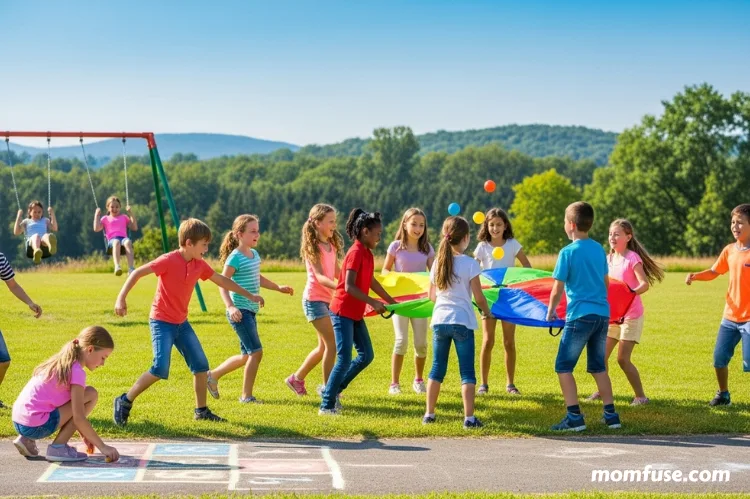

The hours of un-supervised time after school may soon turn out to be a problem and the issues of childcare, day-to-day activities and how to maintain the child active without overworking him or her are all too real to many families.
It is not always about designing an ideal summer, but putting in place solutions that are conducive, secure, and practically achievable by the whole family. Parents are in the habit of seeking a balance, something to keep children active and at the same time there must be room to rest and quality time with family.
Summer camps are often discussed as one of the numerous organized variants, which are available at this time. They provide a timetable of events daily, interpersonal communication, and directed actions that add predictability and oversight.
Nevertheless, camps do not fit all kids and families. This is one of the hardest parts because the question of what questions to ask before getting into a program is something that bothers many parents making such decisions.
When parents start to find the most best summer camps, one should keep in mind that the first one is not necessarily the correct variant. By taking time to look into various formats, schedules, methods of teaching, and places of emphasis, it would allow the family to have a better grasp of what is offered. This wider frame of reference allows finding the programs that are really relevant to the needs of a child and that fit the everyday living of the family well.
What Types of Summer Camps Are Available for Kids?
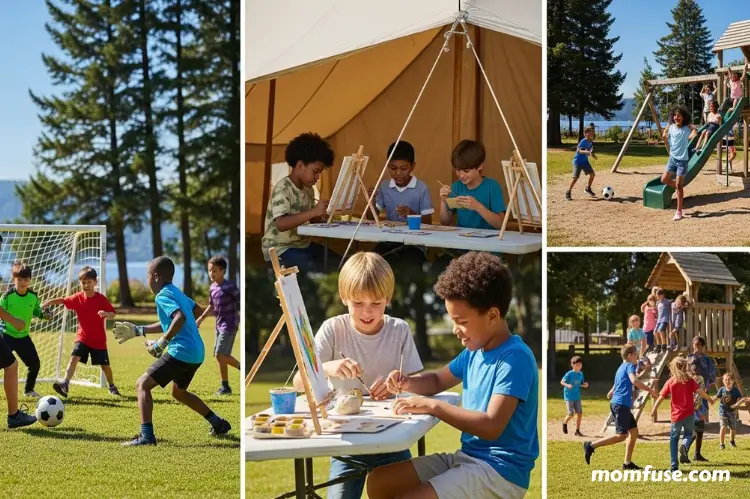
There are also many and varied types and forms of summer camps, such as day camps, full week, sports themed, arts, and general play camps.
There are those that are entirely outdoor-based with a focus on physical engagement and nature-based activities, whereas some use creative and open-ended projects or even an academic aspect in their daily routines. This diversity gives the families the opportunity to find out something that meets the interests of the child and the practical needs.
The fact that diversity is a component of the real beauty of summer camps. Various children do better in various environments and it is not necessary to compare different camps as either better or worse but to identify the appropriate environment to work with a particular child.
It is particularly useful to give children a certain degree of freedom in the process of its selection as it will help them engage and have fun with it- which will ultimately result in a more constructive and fulfilling experience.
Is My Child Ready for A Summer Camp Experience?

The issue of age is not the sole factor used in deciding whether a child is prepared to undergo a specific camp experience. There are those younger children who would excel in group situations and adapt easily and the older children might still need some time to be used to separation.
The fact that a child is able to communicate with other children, feel confident without having to have parental attention all the time and do things by themselves are all significant to the process.
A shorter program or one that is in a more familiar place or routine might be much more manageable and comfortable to first-time campers. These smaller jumps enable the children to gain confidence over time, whereas repetitive campers tend to experience longer or more involved programs, which provide more of an in-depth involvement and challenge. In this respect, preparedness is not any more skillful but rather comfort of emotions.
Finally, the selection of the appropriate camp relies on the level of emotional readiness of a child, and not the aptitude or success. Children can also enjoy the experience and develop meaningful relationships as well as develop independence at a pace that is natural and positive to them when they feel safe and supported.
What Does a Typical Day at Summer Camp Look Like?
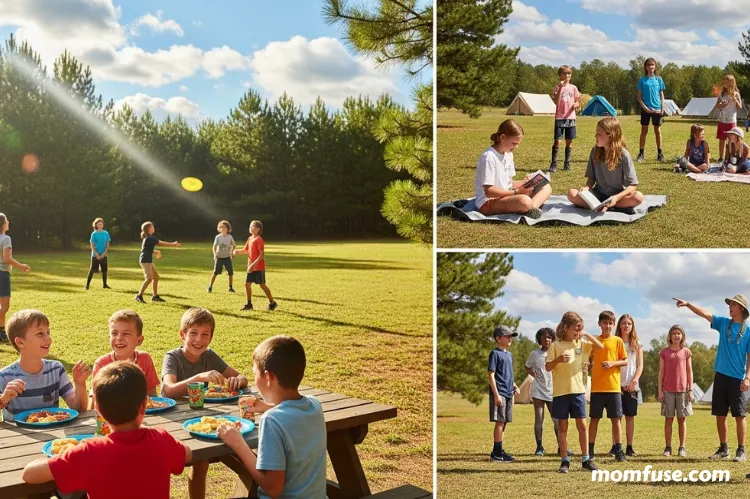
Most summer programs are based on an organized daily program, which is aimed at developing a rhythm and balance. Each day has a combination of coordinated group work, scheduled meals and playtime and outdoor play and rest or free discovery. Such considerate mix provides a healthy balance of advice and independence, as the children would also remain interested without being overwhelmed.
This form gives significant balance between the predictability and novelty. Children are well placed to know what to anticipate on a daily basis, and yet they have the fun of new experiences, places, and socialization. The repetition of a routine makes them feel safe, whereas the diversity makes the experience new and exciting.
Predictability can also be particularly reassuring to the children who are anxious about the unknown. Knowing what to expect in the next day enables them to unwind, gain confidence and engage more in things. In the long run, this feeling of stability may promote being more independent and open to new experiences in a comfortable and supportive environment.
How Do Moms Know What Is Safe and Well Supervised?
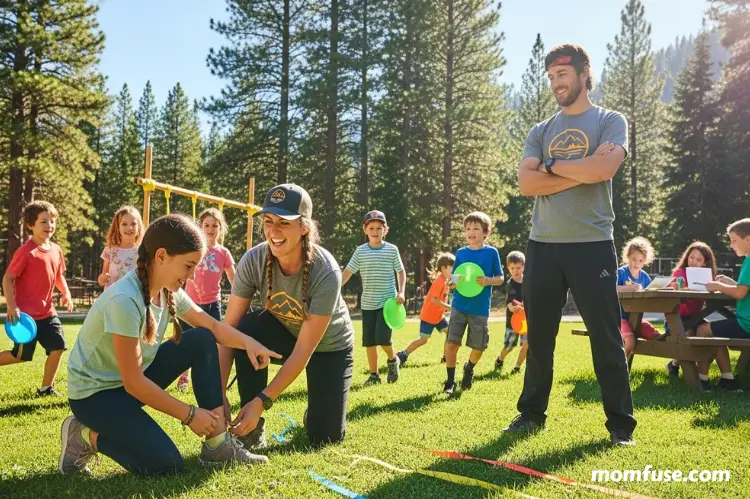
Awareness is the first and most necessary measure towards safety. Parents should be able to ask intelligent questions hence know better on how a camp functions on a day to day basis. Questions regarding the numbers of staff to camper, overseeing their actions, and the way the children are directed as they proceed in different directions can prove helpful and act as a relief.
In addition to the daily supervision, it is also essential that the parents should be informed about the general safety precautions. Camps ought to have clear procedures of signing in and signing out, behavior management and the procedure of dealing with emergencies or unforeseen cases. Such systems assist in the safeguarding of children besides ensuring that they are not only engaged by providing them with a well-organized and managed environment.
Parents who take time to collect this information are in a position to make sound and sure decisions. Engagement and knowledge enable families to select programs that match their expectation levels of safety, communication and care-building a platform of trust that helps both parents and children enjoy the camp.
How Do Summer Camps Support Social and Personal Growth?

The natural interactions of the children with other children who are not in their respective school or family settings occur in summer camps. Through shared activities, group challenges and playing together, the children learn how to communicate, cooperate and make friendships with the other person, who may not necessarily belong to the same background or different age.
Besides social growth, personal growth is promoted in the camps since children learn to be independent and gain confidence. It is new environment that enables them to make small choices independently, explore new things and solve problems without having to be supervised all the time. The experiences will enable children to become more resilient, self-aware, and capable.
Camps are also a good environment of emotional development. Through the help of counselors and instructors, children will be taught how to handle emotions, conflict resolution and acquire an empathetic attitude towards others. In the long run, these competencies are transferred to the real life beyond the camp and impact positively on the attitude of the children towards school, relationships and daily life.
How Can Families Decide If a Children’s Summer Camp Is a Good Match?
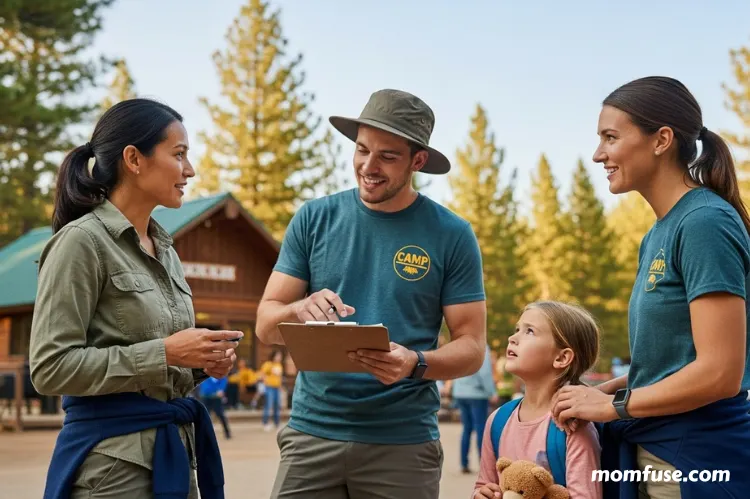
The selection of the correct summer camp starts with the knowledge of the personality of a child, his/her interests, and level of comfort. There are children who can flourish with the busily social setting and others who are more comfortable in a less active, more structured setting. By setting aside some time to consider what a child is excited or reassured by, it can be possible to sift through the programs more likely to seem pleasurable and helpful.
Practical considerations are also very relevant in decision making process. These components of location, schedule, length, price, and daily activities should be in line with the lifestyle and expectation of the family. Investigating the description of programs, asking about activities on the daily basis, learning the level of structure may help the families influence their choice of whether a camp would be a good fit in their (summer) plans.
Finally, it may be incredibly useful to create a free channel of communication with the organizers of the camp, not to mention the child itself. Honesty about the discussion with the staff regarding the goals, supervision, and safety measures will help to build trust and involving children in the discussion will help in ensuring that they are heard and eager.
As long as families can proceed to strike a balance between the emotional readiness and practical needs, they are likely to choose a camp that will help to change the experience to be a positive and rewarding one.
Final Thoughts
There is no need to stress that selecting a summer camp is not about choosing the most trendy program but rather making a wise and well-considered choice that would benefit the child and the family.
As this guide has demonstrated, summer camps come in all kinds of structures, focus, and philosophy and learning these variations is the key to finding a good fit. Parents can overcome the superficial level of information by posing the correct questions early enough in order to have a clear picture about how a camp really functions day in day out.
Lastly, the best summer camp experience is the one, which is integrated into the life of a family but offers children a chance to grow and bond along with enjoying their summer. With proper planning, open communication and realistic expectations, moms will be free to proceed with the visit to the planning camping trip over the summer and be certain that they have chosen a camp, which will help the child have a safe and positive experience of growth and development.
Read Next: Family Road Trip Tips to Make Every Journey Truly Memorable

Jessica Fuqua is a mom of two who writes about the messy, beautiful reality of raising kids. She believes parenting advice should feel like a conversation with a friend, not a lecture. When she’s not writing, she’s probably reheating the same cup of coffee for the third time.