
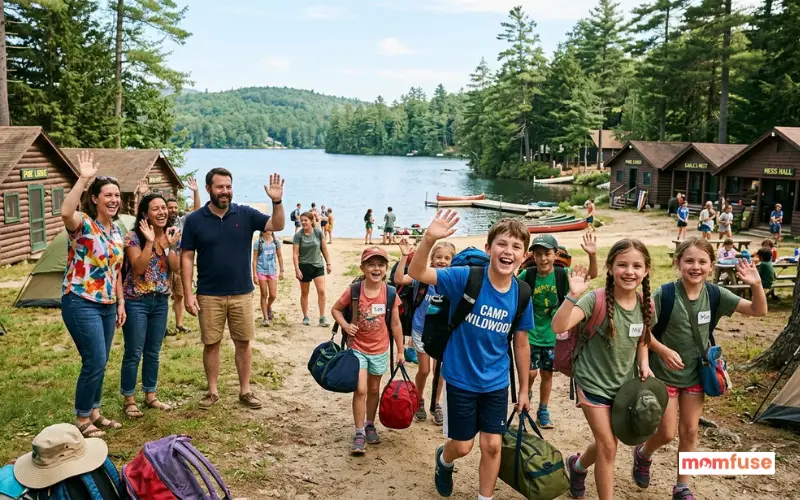

As a parent, you want to ensure your child has the best possible experiences and opportunities for growth. Summer camp can be a fantastic way to foster independence, build social skills, and create lasting memories. But what is the best age to send kids to summer camp?
The ideal age to send children to summer camp is typically between 7 and 12 years old. At this age, most kids are developmentally ready for the independence and social interactions camp offers while still being open to new experiences.
However, every child is unique, and there are various factors to consider when determining the right age for your child to attend summer camp. Continue reading to discover important considerations to help you make the best decision for your family and ensure your child has a positive camp experience.
What Factors Should I Consider When Deciding If My Child Is Ready For Camp?

Several important factors must be considered when determining if your child is ready for summer camp. First, assess your child’s level of independence. Can they handle basic self-care tasks like brushing their teeth, dressing, and showering without assistance? If so, they may be better prepared for the camp environment.
Next, consider your child’s emotional maturity. Are they comfortable being away from home for extended periods? Have they successfully had sleepovers with friends or family members? If your child struggles with separation anxiety, it might be worth waiting another year or starting with day camps before transitioning to overnight experiences.
Lastly, gauge your child’s interest in camp activities. Are they excited about trying new things, meeting new friends, and having adventures? If your child shows enthusiasm for the camp experience, they’re more likely to have a positive time and benefit from the opportunity.
How Can I Prepare My Child For Their First Summer Camp Experience?
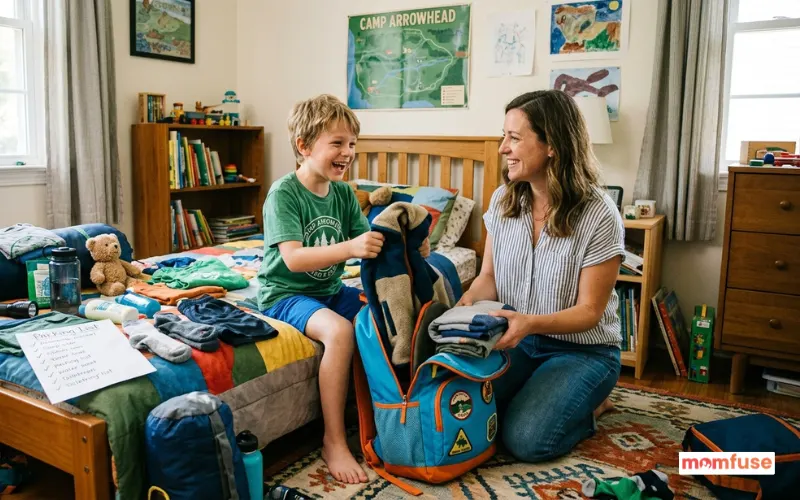
Preparing your child for their first summer camp experience can help ensure a smooth transition and enjoyable time away from home. Start by involving your child in the camp selection process. Look at brochures or websites and discuss the activities offered to build excitement and alleviate concerns.
Practice independence at home by encouraging your child to complete tasks independently, such as packing their backpack or making their bed. This will boost their confidence in managing daily responsibilities at camp.
Discuss potential challenges they might face, like homesickness, and brainstorm coping strategies. You can also role-play social scenarios to help them feel comfortable meeting new friends and interacting with counselors.
What Are The Benefits Of Attending Summer Camp For Different Ages?

The benefits of attending summer camp can vary depending on a child’s age, offering unique opportunities for growth and development at different stages. For younger children (ages 7-9), camp can help build foundational social skills, boost self-confidence, and nurture a sense of independence in a supportive environment.
Pre-teens (ages 10-12) often benefit from exploring new interests and developing leadership skills through group activities and team-building exercises. This age group may also begin to form deeper friendships and learn valuable conflict-resolution skills.
Teenagers (ages 13-16) can use the camp experience to develop their identities, take on more significant leadership roles, and gain a sense of community responsibility. Many camps offer specialized programs for this age group, allowing them to delve deeper into specific interests or potential career paths.
Are There Different Types Of Summer Camps For Different Age Groups?

Indeed, various summer camps for boys and girls are tailored to different age groups and interests. Day camps are often the most suitable option for younger children (ages 5-8). These camps typically offer activities like arts and crafts, sports, and nature exploration, allowing kids to try new things while returning home each evening.
Traditional overnight camps have become more popular for older children and pre-teens (ages 9-12), usually offering a wider range of activities while providing opportunities for kids to develop independence and social skills in a residential setting. For a closer look at how a well-rounded camp program is structured across age groups, visit www.camphighlander.com to explore their offerings.
Specialty camps cater to specific interests and are available for various age groups, including sports, science, technology, or arts-focused programs, with more advanced options available for teenagers seeking leadership development and skill-building opportunities.
How Do I Know If My Child Had A Positive Experience At Summer Camp?

Assessing your child’s summer camp experience is crucial for determining whether to continue with camp in the future and which type of camp might be best. One of the most obvious indicators is your child’s enthusiasm when discussing their camp time. If they eagerly share stories, talk about new friends, and express a desire to return, they likely had a positive experience.
Pay attention to any new skills or increased confidence your child displays after returning from camp. This could manifest in various ways, such as being more willing to try new activities, showing improved social skills, or demonstrating greater independence in daily tasks.
Having open conversations with your child about their camp experience is also important. Ask specific questions about their favorite activities, challenges, and feelings about being away from home. Their responses can provide valuable insights into their experience and help you make informed decisions about future camp opportunities.
Next Level Camping

Now that you better understand the best age to send kids to summer camp and the factors to consider, it’s time to take action. Start by having an open conversation with your child about their interest in summer camp, discussing the activities they’d enjoy, and gauging their comfort level with being away from home. This discussion will help you determine if your child is ready for the camp experience and guide you in selecting the most appropriate camp option for their age and interests.
Read Next: Best Summer Camps for Kids: Helpful Questions for Moms

Jessica Fuqua is a mom of two who writes about the messy, beautiful reality of raising kids. She believes parenting advice should feel like a conversation with a friend, not a lecture. When she’s not writing, she’s probably reheating the same cup of coffee for the third time.