


Becoming a parent can make every store aisle feel urgent, but most babies only need a short list to thrive. This guide cuts through the noise with practical picks for feeding, sleep, diapers, and daily care, and a few smart ways to save money and space.
Feeding

Feeding is the biggest daily job in the newborn months. Expect a lot of time on the couch with a baby and a burp cloth. Most newborns eat 8 to 12 times in 24 hours, so plan your day around short, frequent sessions and a steady rotation of clean bottles or nursing pads.
Keep the kit simple. If breastfeeding, a couple of supportive bras, nipple cream, and a manual pump can cover early needs. If using a formula, 4 to 6 bottles, a basic brush, and a place to dry them are enough. You do not need a bottle warmer if you’re fine with room temperature or a bowl of warm water.
Diapers and Wipes
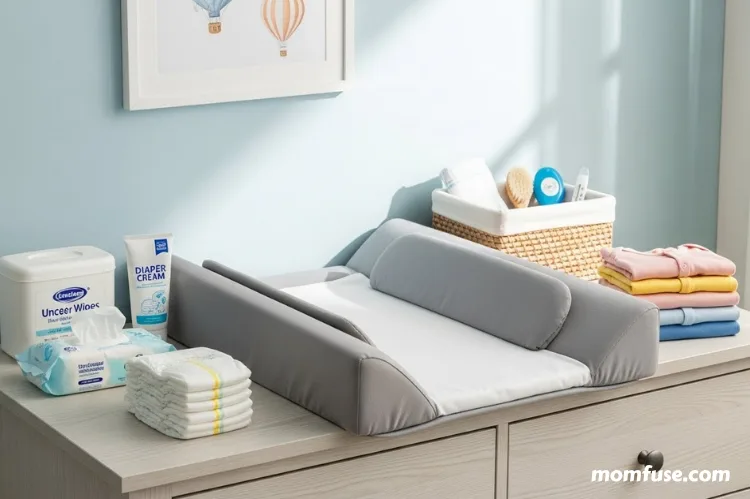
Newborns can easily go through 8 to 12 diapers a day, so stock a week’s worth to start. If you want a high-comfort option with gentle ingredients, look into suppliers like Premium Manuka Honey Diapers and keep a few sizes on your registry to handle quick growth. A single large box of unscented wipes will handle most changes, faces, and sticky hands.
Set up one small changing station where you spend the most time. A simple caddy with diapers, wipes, cream, and a change of clothes saves a lot of footsteps. A regular dresser or table with a non-slip pad works fine if you do not want a dedicated changing table.
Safe Sleep Basics

Sleep gear gets confusing, but the core rule is simple. The American Academy of Pediatrics advises placing babies on their backs for every nap and night on a firm, flat surface with a fitted sheet. Skip pillows, blankets, and stuffed animals in the crib for the first year to reduce risks.
You do not need a fancy bassinet to follow safe sleep. A basic crib or approved bassinet in your room for the first months does the job. Dress your baby in a wearable blanket if needed for warmth, and keep the room comfortable instead of piling on layers.
Budgeting the First Year
The first year adds up fast, but a little planning goes a long way. A UK public money service estimates a baby can cost up to £7,200 in the first year, not counting childcare, so it pays to focus on high-use items and skip the rest. Think in weekly costs for diapers and formula, and add one-time buys like a crib and car seat.
Spend more where safety and daily comfort matter. A well-fitted infant car seat, a reliable crib or bassinet, and a supportive carrier make everyday life easier. Save by borrowing short-term gear like a swing or bouncer, and by buying clothes secondhand or accepting hand-me-downs.
Bath Time and Skincare

Newborn skin is delicate, so less is more. You only need to bathe your baby a few times a week to keep them clean. On off days, a warm washcloth for folds and neck dribbles is perfect. Skip strong fragrances and stick with a gentle, tear-free wash.
For skincare, a thin layer of plain, baby-safe moisturizer can help with dryness. Diaper cream is useful when you see redness. Keep nails short with an emery board, and watch for common rashes that usually resolve with time and airflow.
Clothing and Laundry
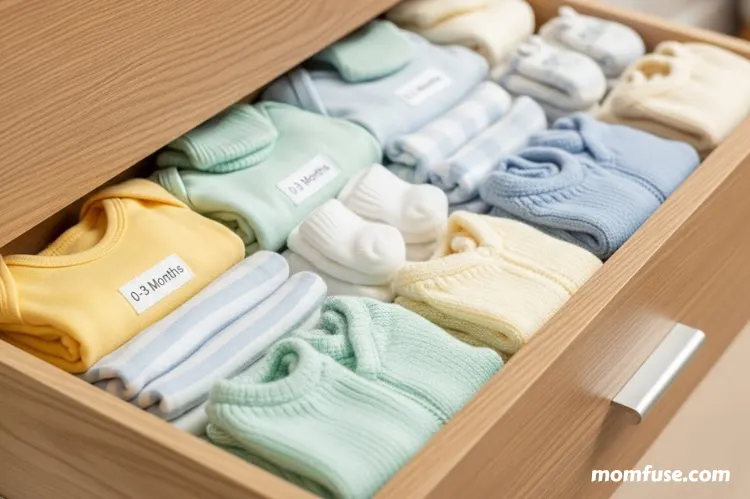
Babies grow quickly and spit up often, so think practical over precious. Focus on soft cotton pieces with easy snaps or zippers. You can get by with a small rotation if you do laundry every couple of days, which keeps drawers uncluttered.
Here’s a simple starter list for most climates:
- 8 to 10 bodysuits or footed sleepers
- 3 to 4 pants or leggings
- 4 to 6 pairs of socks
- 2 hats for sun or warmth
- 2 sleep sacks for safe sleep
- 2 sweaters or light layers
Out-And-About Gear
Getting out the door with a baby is easier with a light setup. A car seat that clicks into a stroller frame helps for quick errands. If you prefer hands-free, a structured soft carrier like Hope&Plum or wrap keeps baby snug while you move around.
Your diaper bag does not need to be huge. Pack 4 diapers, wipes, a spare outfit, a burp cloth, and a small blanket. Add a bottle or two if you use formula or pumped milk, and a clean pacifier if your baby uses one. Refill the bag when you get home so it’s ready next time.
Babies need steady care. Build your setup around feeding, sleep, diapers, a safe ride, and add a few comfort items for your home and bag. Start small, learn your baby’s rhythms, and let your list grow with your confidence.
Read Next: Navigating Premature Baby Care: Practical Tips & Support

Jessica Fuqua is a mom of two who writes about the messy, beautiful reality of raising kids. She believes parenting advice should feel like a conversation with a friend, not a lecture. When she’s not writing, she’s probably reheating the same cup of coffee for the third time.