


Family life gets busy fast when ADHD is in the mix. The goal is not perfection, but a rhythm that keeps your home steady and your brain supported. Structure reduces friction, saves energy, and makes decisions simpler.
This guide offers simple systems you can use right away and adapt. Keep what fits, skip what does not, and adjust as seasons change. Small, repeatable wins build momentum, boost confidence, and lighten the load.
Set Gentle Expectations With Structure
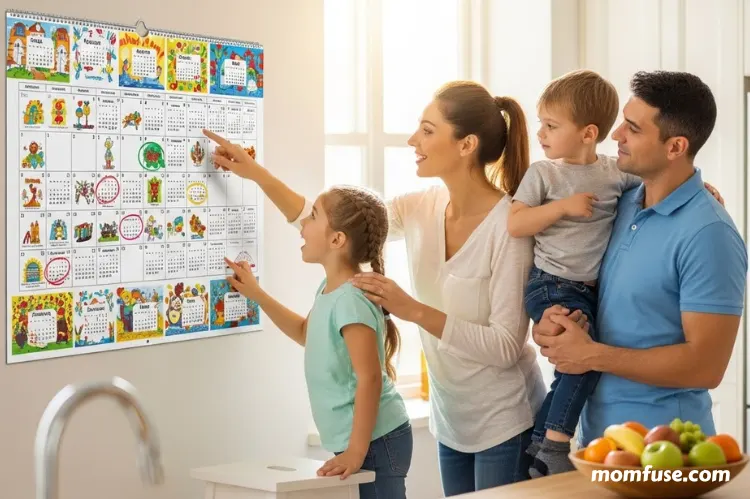
Start by lowering the bar to what is doable most days. Simple routines beat ideal plans that never happen. Aim for consistent anchors like wake time, meals, and bedtime.
Build a visual day map that everyone can see. Color code school, work, chores, and downtime so the plan jumps out at a glance. Put it where decisions usually get messy, like the kitchen or entry.
Keep tasks short and specific. Replace vague goals like clean the house with 2 or 3 steps like clear the table, start laundry, and wipe counters. Short wins stack and boost momentum.
Create A Weekly Family Operating System

Pick one planning day and protect 20 minutes. Do a quick sweep of calendars, meals, rides, and bills. When the week has a shape, you will feel calmer and more in control.
Set three priorities for the week, and write them where you will see them. Consider supports such as Kantoko inside that plan to handle assessment or skill building, then capture the smallest first step you can take today. Finish the page with a tiny reward you will use when those three are done.
Hold a 10-minute family huddle every Sunday. Ask what went well, what was rough, and what needs to change. Keep notes so you can see progress even on messy weeks.
Use Visual Cues And ADHD Friendly Tools
Externalize what your brain is trying to hold. Use door hooks, launch pads by the exit, and a house rule that everything important lives in one visible place. Less hunting means fewer late starts.
Give every repeated task a visual cue. A sticky note on the washer, a checklist by the backpack bin, or a timer near the sink turns memory into sight. Cues reduce the mental load of starting.
Choose tools that match how you think. If your brain loves novelty, rotate between a wall calendar and a phone widget. If you avoid opening apps, rely on paper boards, trays, and open baskets.
Share The Load And Communicate Clearly

Name the jobs that matter most for your week. Assign ownership, so each person knows what success looks like. Ownership reduces arguments because the default is clear.
Trade perfection for reliability. A quick sweep is better than a perfect scrub that never happens. Thank effort out loud so the habit feels worth it.
Expect stress to spike at times. A coverage from the Associated Press noted that about half of working women report high daily stress, compared with about 4 in 10 men. Plan buffers on heavy weeks and ask for small, concrete help from friends or family.
Design Chore Systems That Actually Stick
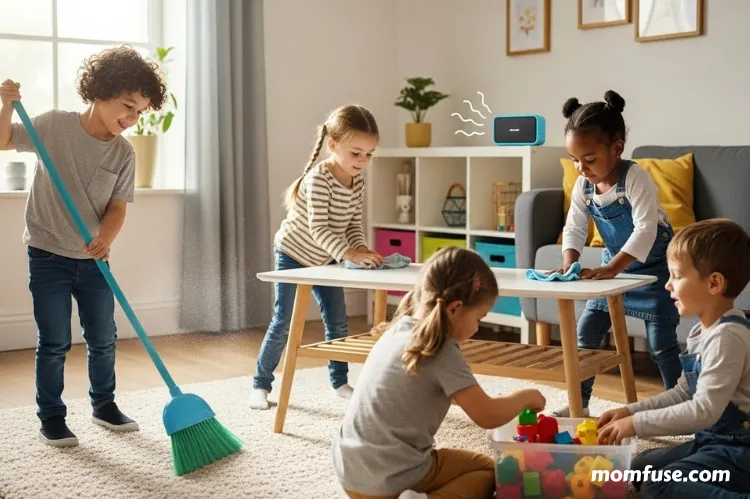
Make chores small, visible, and time-boxed. A 10-minute tidy with music beats a vague clean-the-house task. Start at the same time daily, so it turns into a cue.
Use checklists that live where work happens. A laminated card by the sink or a whiteboard on the fridge keeps steps in sight. Cross-offs deliver a tiny hit of progress your brain craves.
When you are ready, try a simple rotation:
- Pick 3 daily tasks and 3 weekly tasks.
- Assign ownership by name, not committee.
- Set a shared timer and stop when it rings.
- Do a 5-minute reset after dinner.
Review and swap jobs every Sunday
Protect Energy, Attention, And Recovery

Sleep first. Consistent bed and wake times help attention more than any app. A 15-minute wind-down with no screens can make mornings smoother.
Use short sprints during the day. Work 20 minutes, break 5 minutes, and repeat. Park tasks are halfway done, so it is easy to restart later.
Make exercise tiny and regular. Walk after dinner, stretch while the kettle boils, or do bodyweight moves during a meeting break. Small repeats feed focus and mood.
You can balance family responsibilities with ADHD by shrinking tasks, using visual aids, and keeping routines gentle. Progress grows when tools match your brain. When plans wobble, return to anchors like sleep, brief sprints, and weekly huddles.
Stay curious and tweak one lever at a time. Celebrate tiny wins, share the load, and ask for help when weeks run hot. Compassionate systems build a home that supports focus, connection, and calm.
Read Next: ADHD Support for Moms: Essential Strategies and Guidance

Jessica Fuqua is a mom of two who writes about the messy, beautiful reality of raising kids. She believes parenting advice should feel like a conversation with a friend, not a lecture. When she’s not writing, she’s probably reheating the same cup of coffee for the third time.